Ka whai aka te kōrero, ka whai tumu te whakaaro
We give structure to story and shape to purpose
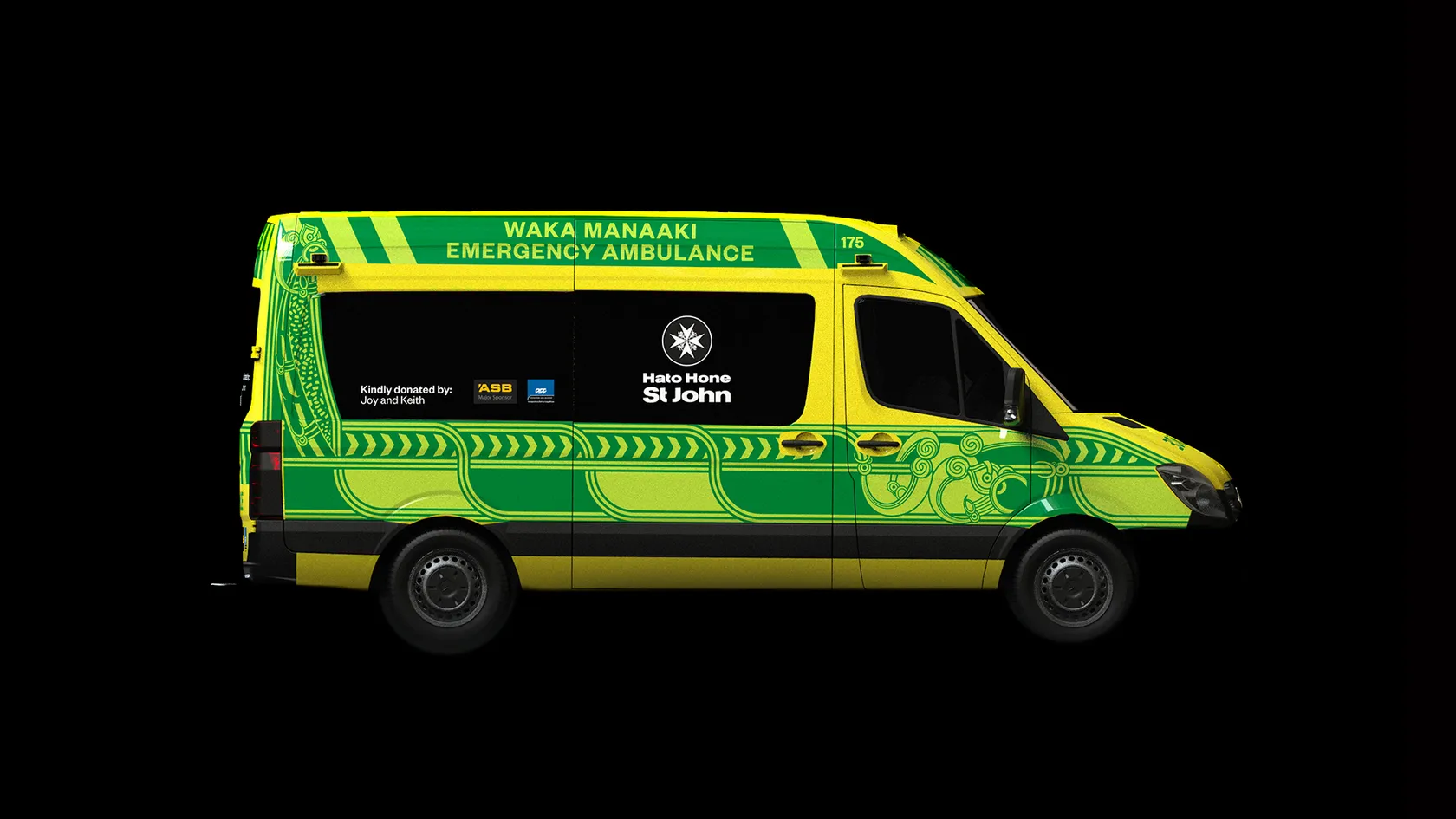
WAKA MANAAKI
Hato Hone St John
Iho
Manaaki tangata, manaaki whānau, manaaki hauora
Caring for people, supporting family, honouring life
Whakamārama
More than a visual change, the refreshed waka manaaki design symbolises the vital role that Hato Hone plays in some of the most vulberable moments of people's lives. The design recontextualises ambulances, uniting essential safety requirements with the values and design traditions of te ao Māori.

AKA TANGATA
Iho
He terenga tangata, he aka tangata
Journeys connecting communities
Whakamārama
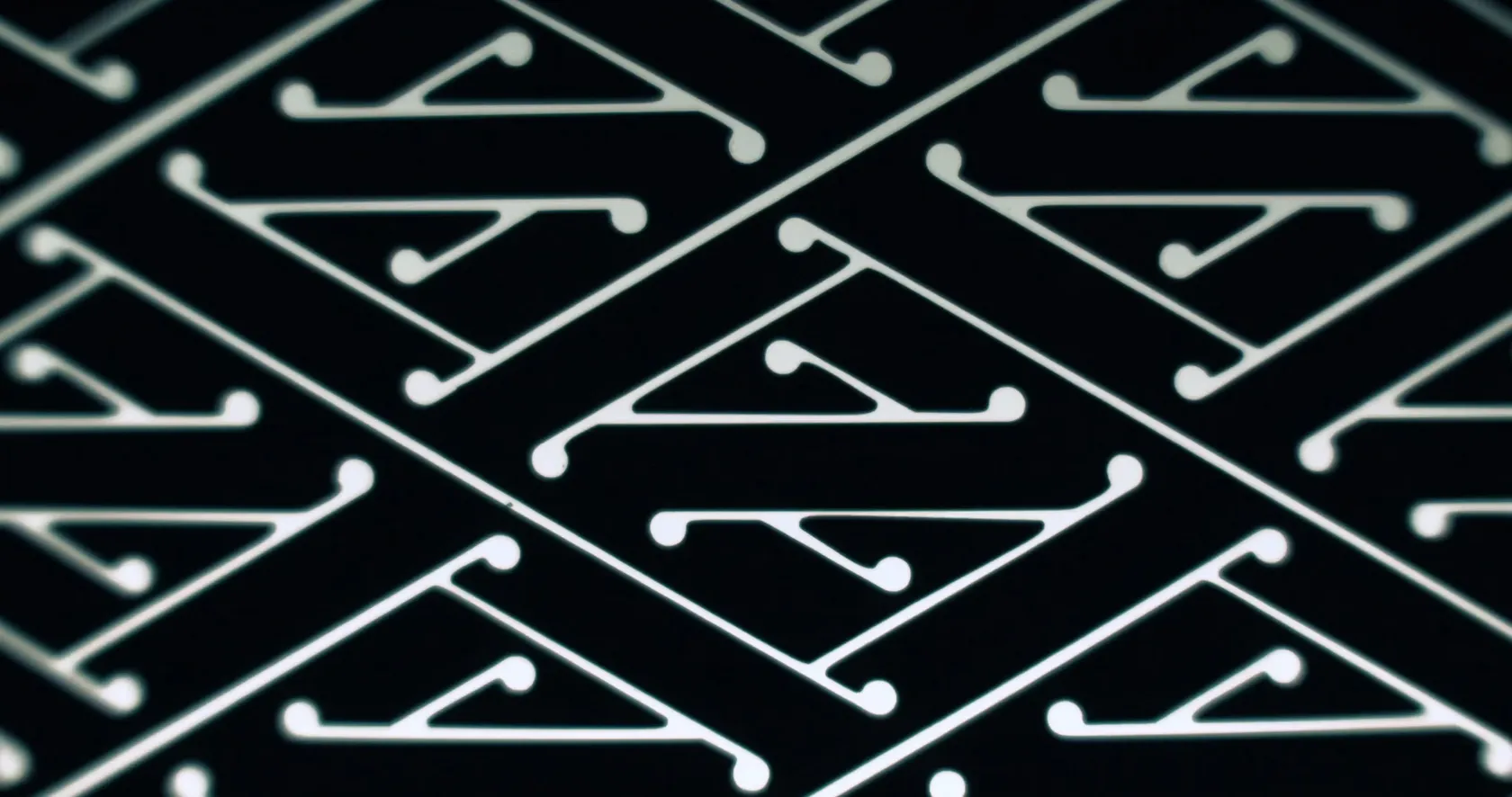
This identity system draws on the puhoro pattern to express layered connections between people, movement, and constructed environments. The nodes represent destinations and the connecting lines describe the journey between them. Puhoro speaks to movement, transition, and the dynamic nature of our individual and shared experiences.
Mā te ahu whakaaro, ka kakapa te manawa
Mā te ahu whakairo, ka kitea te kaupapa
Through the choreography of ideas, the heart begins to pulse
Through the composition of form, purpose comes into view
Puna Whakaata
Greg Wood
Paul Ross Jones
Assembly
Iho
Ka rongo, ka mārama, ka ora
Our senses awaken and we understand
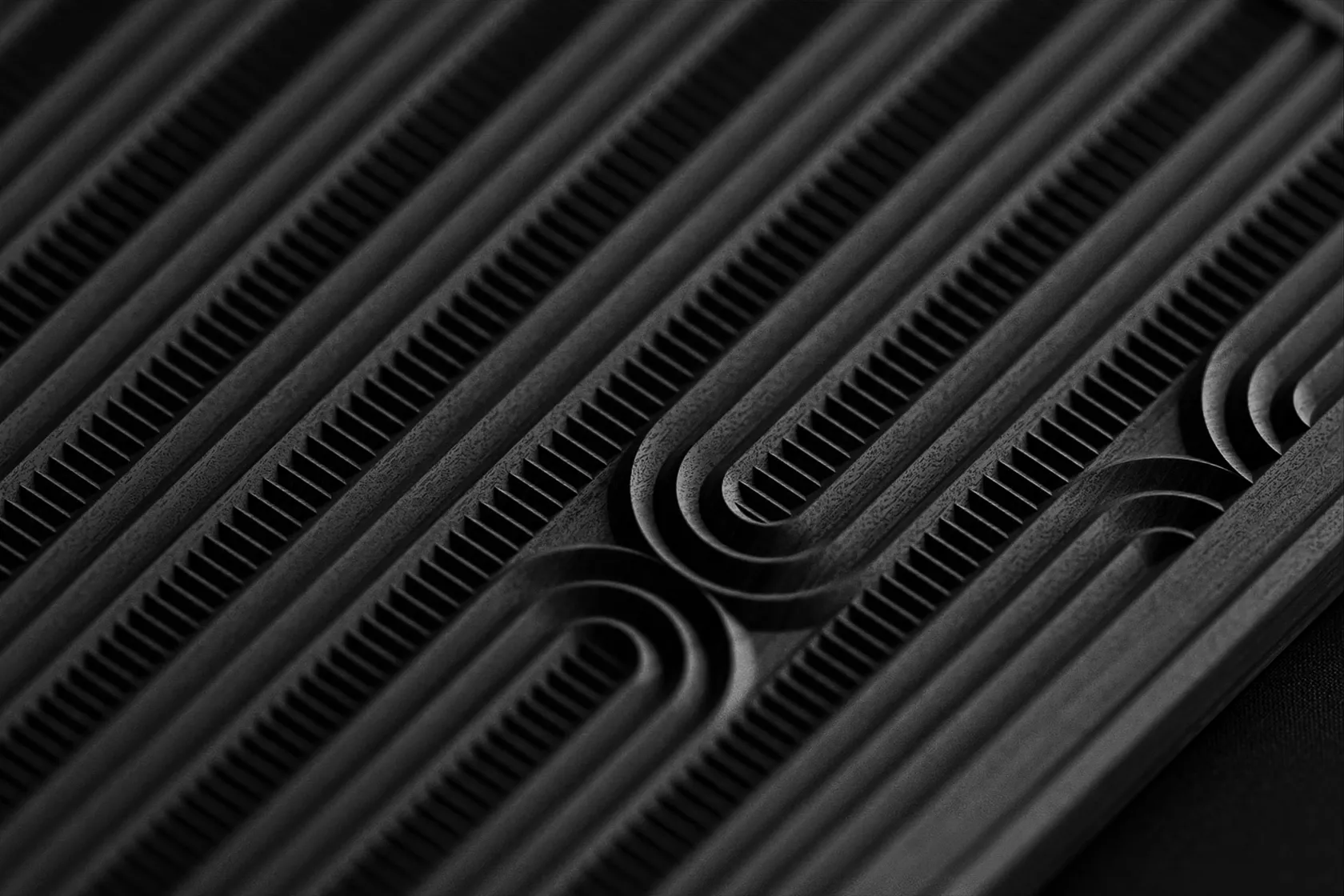
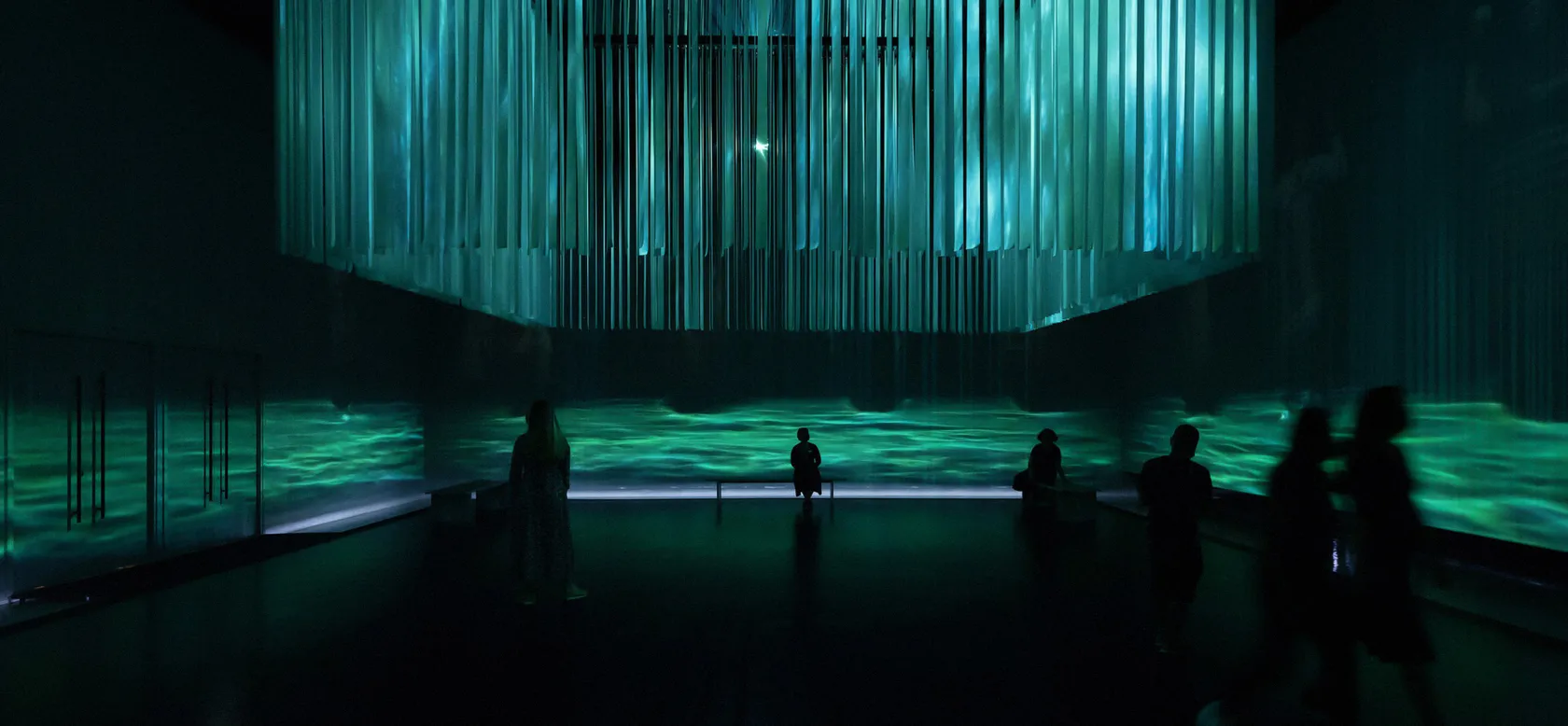
Storytelling exists between sound and image, scale and sensation, the seen and the felt; our senses offer a way of relating to the world where light, sound, and feeling share a common frequency. Immersive, dynamic visuals with layered soundscapes make stories into moments that move. Each frame holds both the vast and the intimate, the imagined and the real, and, collectively, the potential to convey meaning beyond words.
He mōhio ā-hinengaro, he mārama ā-rongo
Your mind attains knowledge, your senses attain understanding
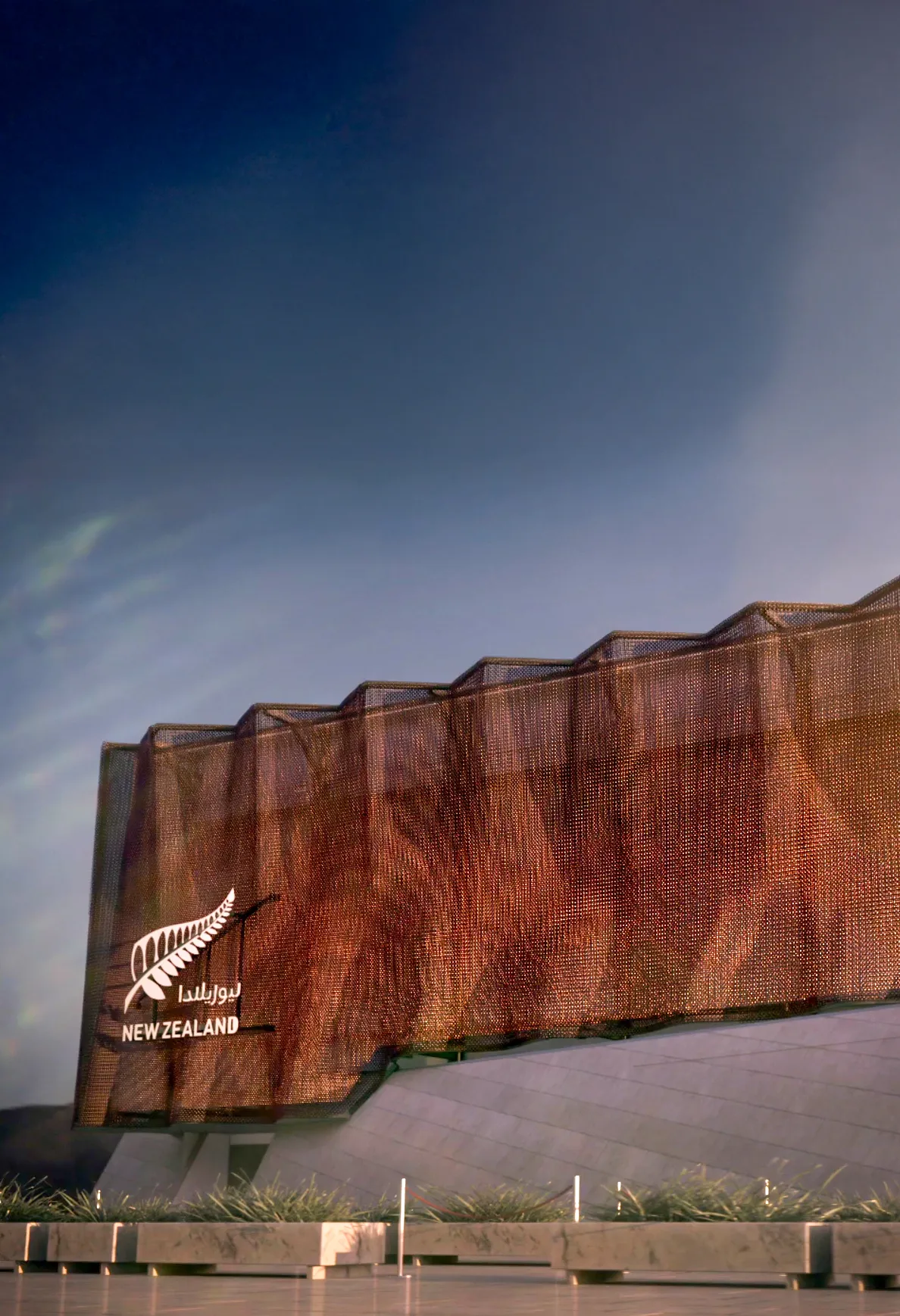
New Zealand Pavilion – World Expo Dubai 2020
Ngā Tāngata Tiaki o Whanganui
Te Āti Haunui-a-Pāpārangi
New Zealand Trade & Enterprise
Jasmax
Workshop E
Iho
Ko au te awa, ko te awa ko au
I am the river, the river is me
PŪTAHI MANAWA
Healthy Hearts for Aotearoa New Zealand
Iho
Nā te mauri ko te ora, ko te hā, ko te waiora
From an unseen life-force emerges life, breath, and wellbeing
Whakamārama
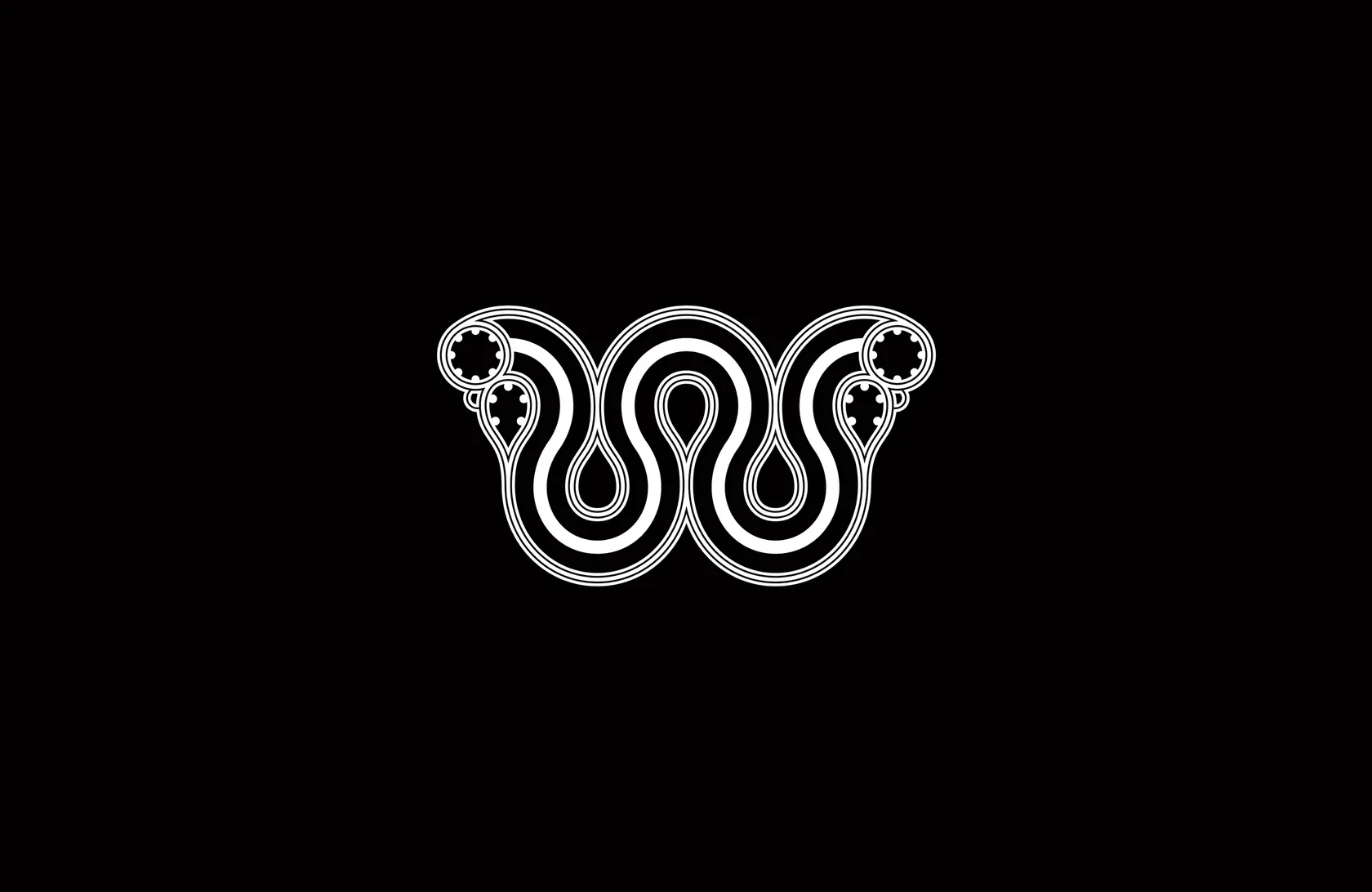
The Pūtahi Manawa tohu features the pekapeka, which symbolises duality, balance, and partnership, its wings forming mirrored manaia. At its centre lies the pūtahi, the word for aorta and for confluence. The tohu expresses resilience, fluidity, and the bond between science and culture at the heart of this values-led kaupapa.
PAE ĀTEA
JCDecaux
Iho
He pae kōrero ka puta he kōrero
He pae ātea ka puta he wawata
A speaker's bench produces a narrative
An open horizon creates a vision
Whakamārama
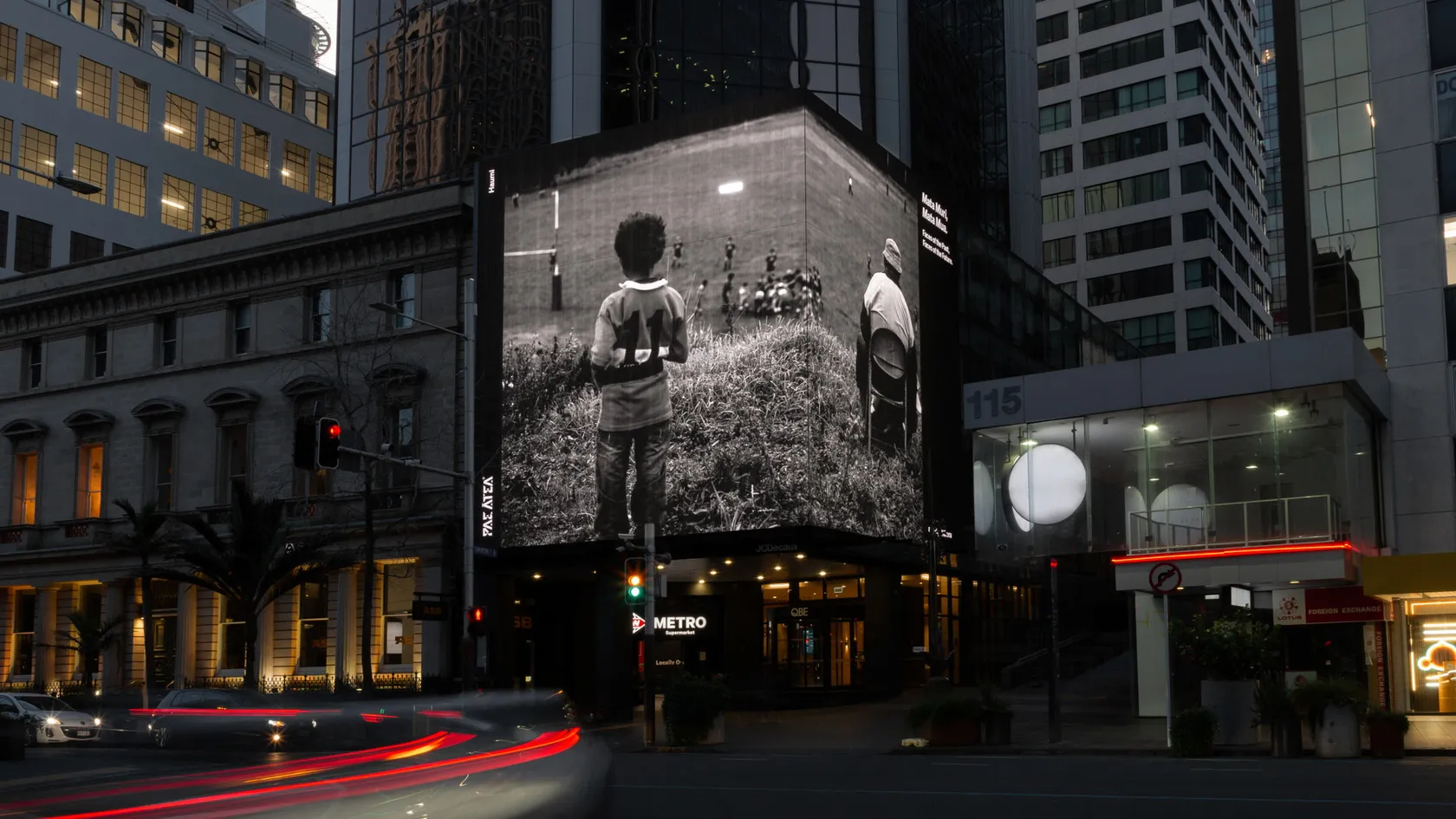
Pae Ātea was a two-year nationwide kaupapa, a public gallery presented across urban environments.The title translates as ‘open horizon’, inviting reflection on identity, connection, and place. Through creative expression and storytelling, Pae Ātea offered a moment of pause, asking us to consider how we are shaped by the environments and histories we share across Aotearoa.
Language
Iho
Ko te korahi o taku reo, te korahi o taku ao
The limits of my language are the limits of my world
Whakamārama
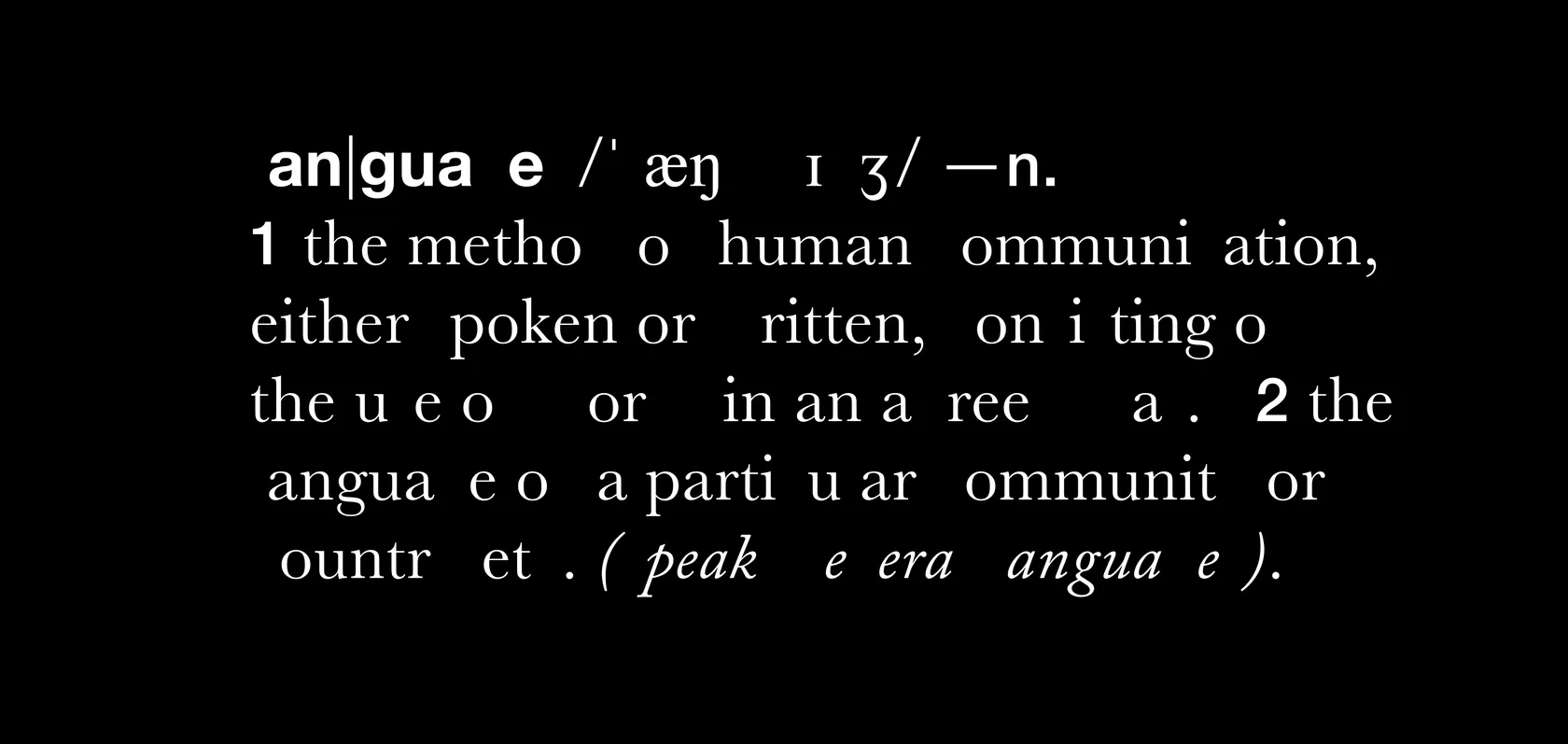
Language carries knowledge and shapes how we define identity, values, and culture. But the written word can constrain meaning and overshadow the richness of other forms of language and expression. Privileging one mode of communication over others risks flattening cultural depth. By questioning these systems, we open space for more inclusive, dynamic ways of relating to one another.
TE PŪMANAWA O TĀMAKI Downtown Carpark Site Development
Precinct Properties
Ngāti Whātua Ōrākei
Warren and Mahoney
Iho
He mea whakairo e te wai,
E te ringa,
E te rā,
Ka ita i te taiao
Formed by the tidal waters of the Waitematā,
Embellished by the rhythmic movements of the chisel,
Illuminated by the world of light,
Galvanised by the natural world
Whakamārama
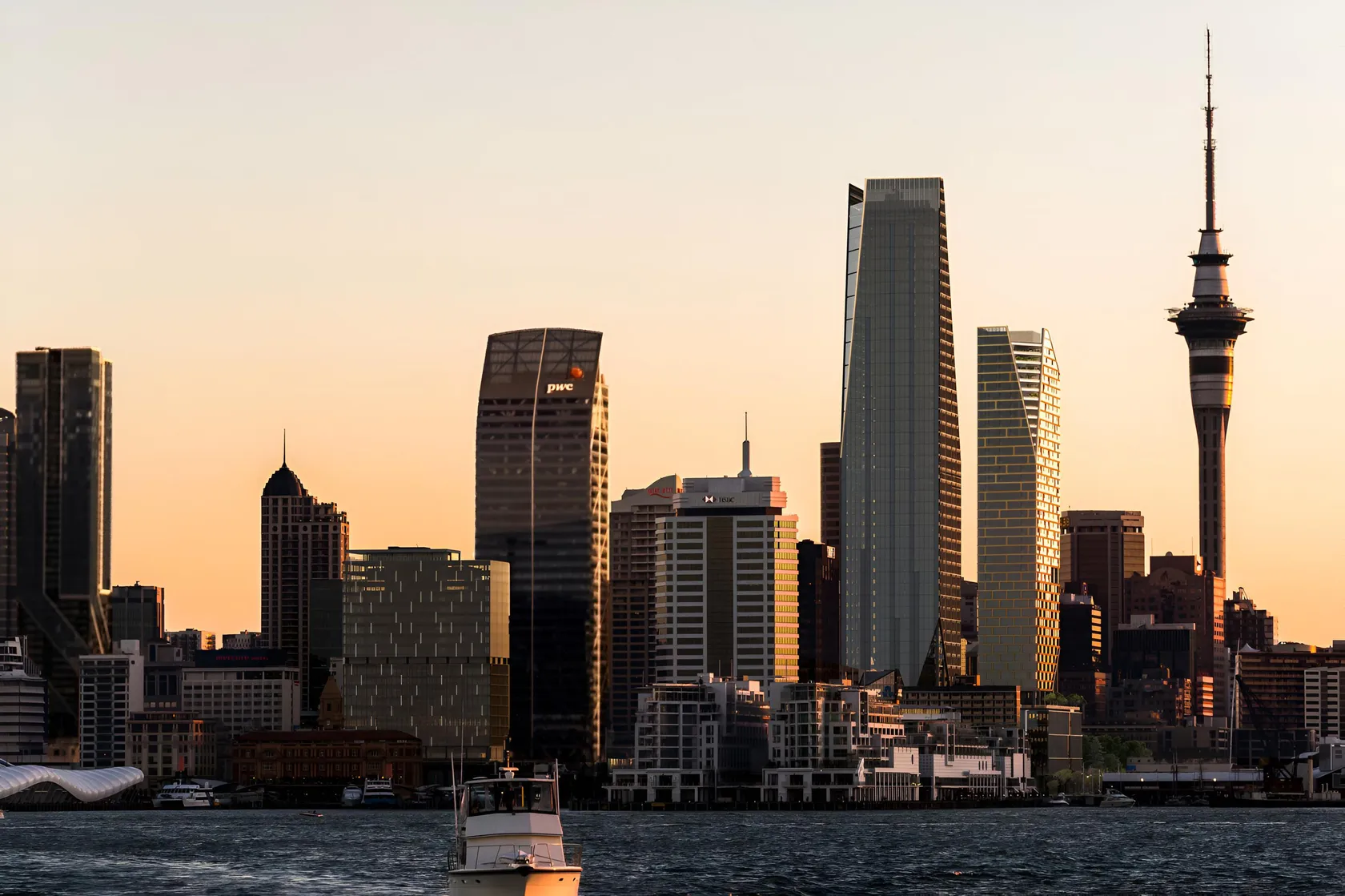
The Downtown Carpark Site Development redefines the western edge of the Tāmaki city centre through a landmark mixed-use precinct shaped by land, water, and light. The design draws on contemporary interpretation of whakairo, using the language of the chisel to carve new spaces for living, working, and gathering. It offers a bold yet grounded identity for the waterfront that honours place, people, and the rhythms of the natural world.
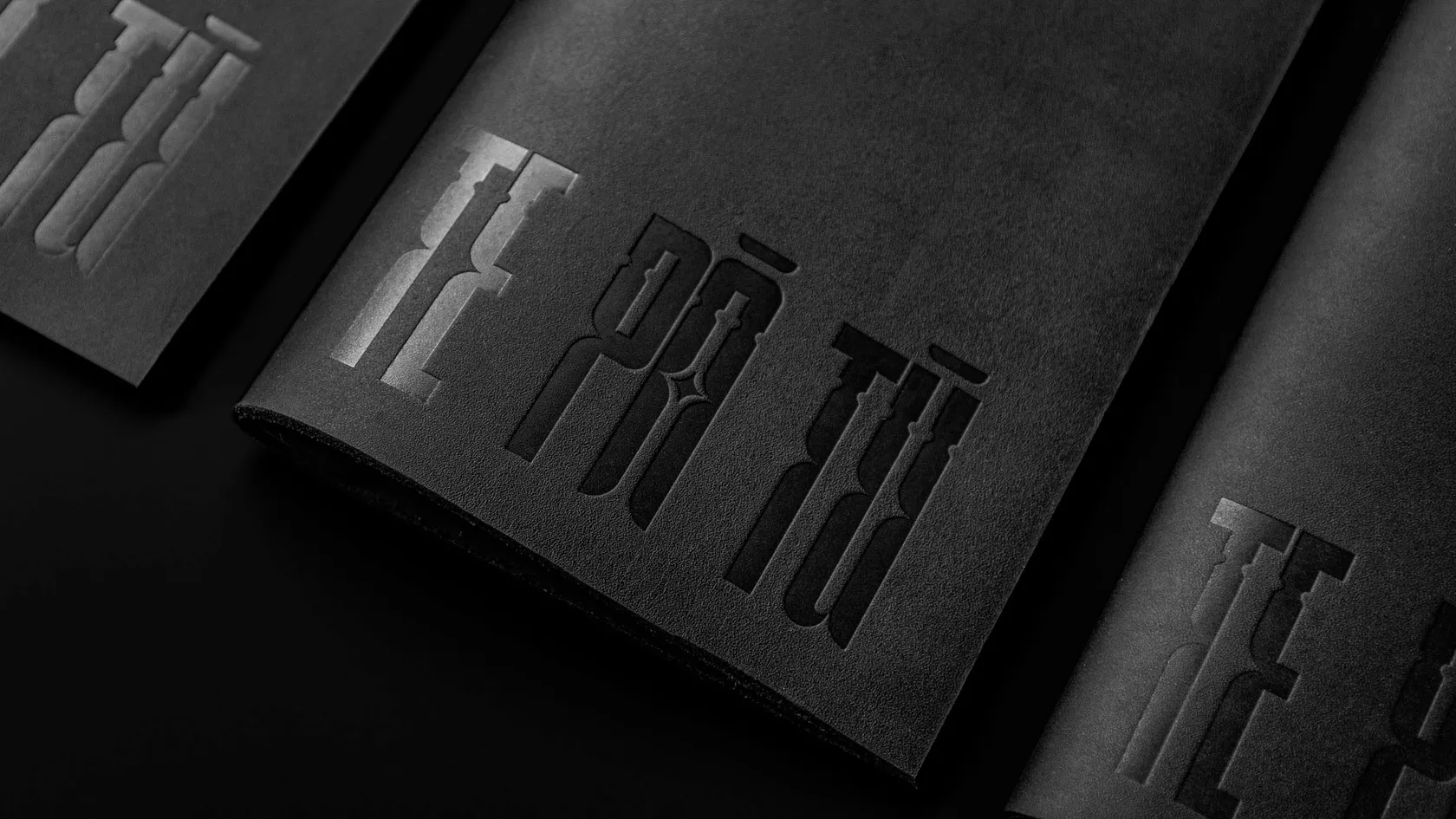
TE PĀ TŪ
Tauhara North No.2 Trust
Iho
Ko te pā tū, he tohu nō te ora
An elevated sanctuary, a symbol of wellbeing
Whakamārama
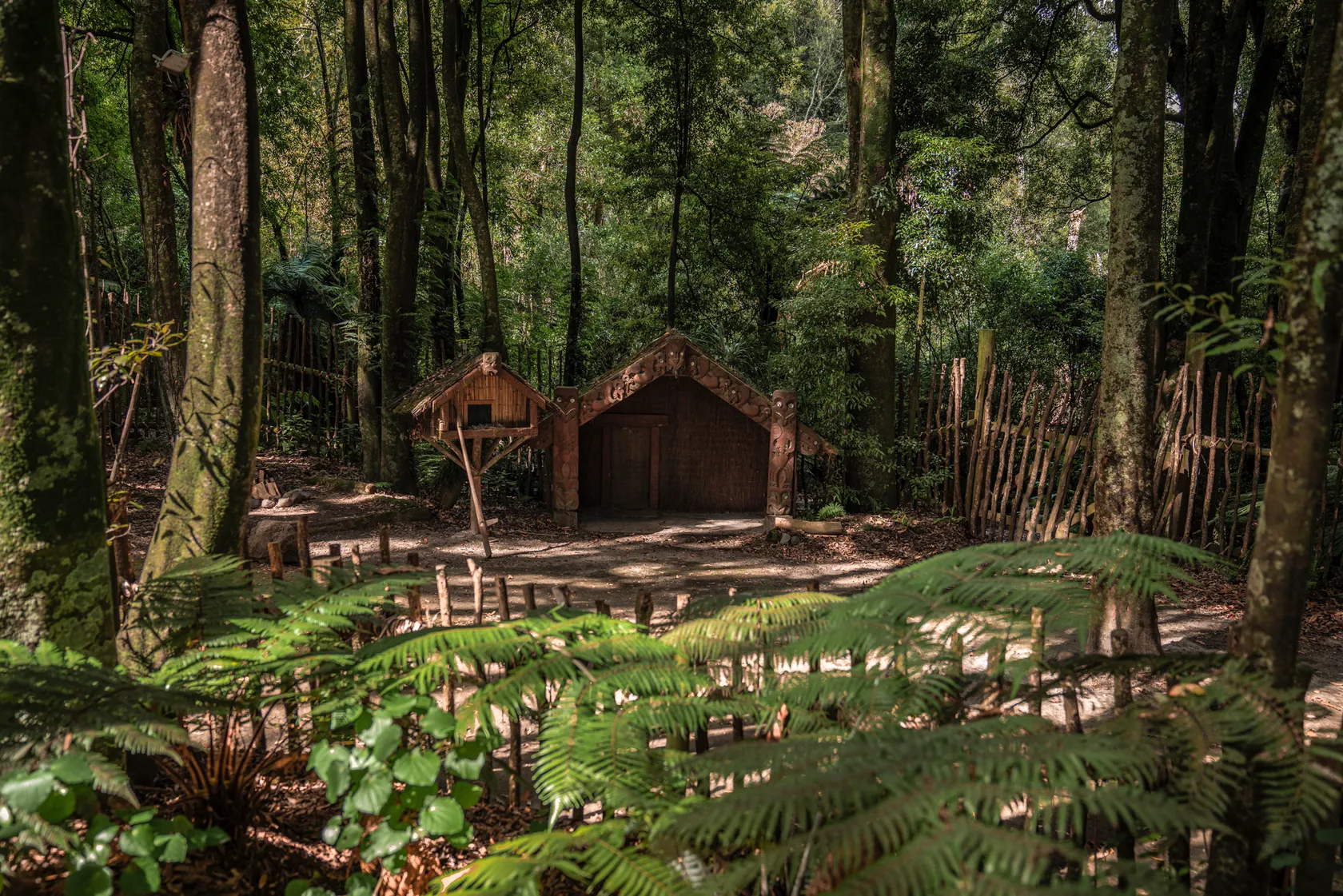
Te Pā Tū is a contemporary cultural experience grounded in the enduring concept of the pā – a sanctuary of connection, identity, and wellbeing. Through performance, storytelling, and shared kai, Te Pā Tū invites all to engage meaningfully and celebrate the richness of te ao Māori and the spirit of manaakitanga.
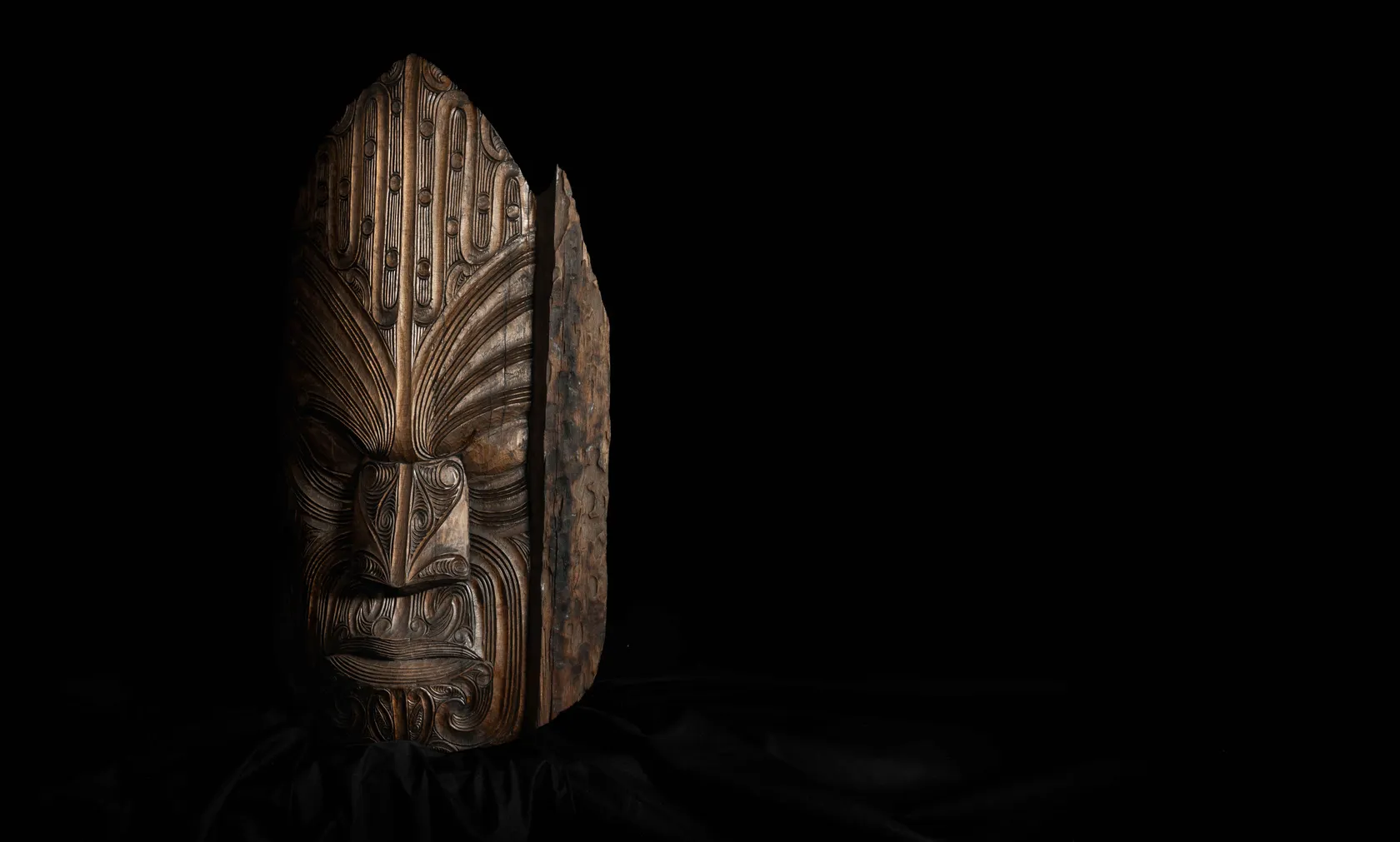
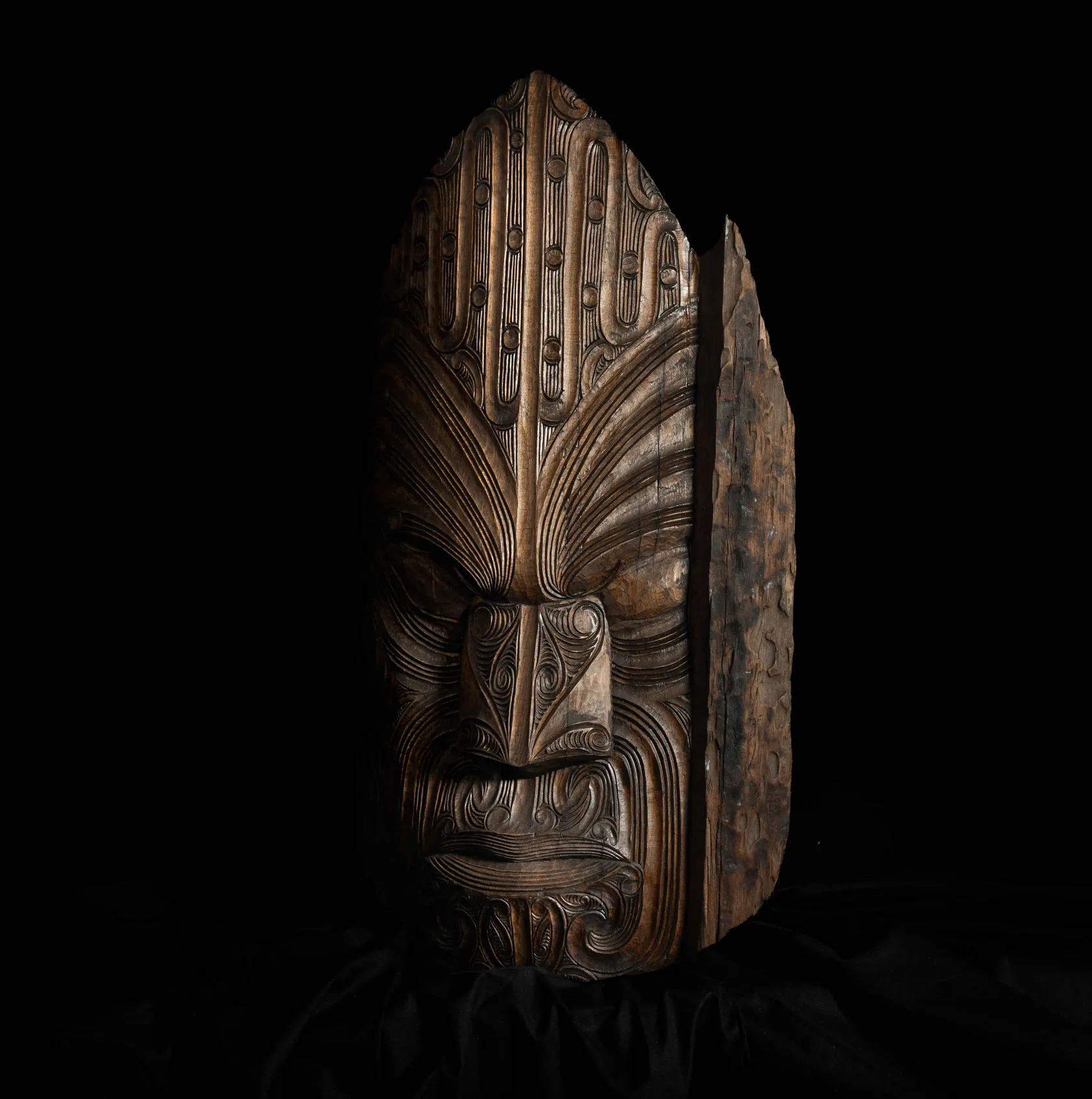
Te Kimihanga
Carved by Te Taonui-a-Kupe (James) Rickard
Iho
Tō ia rākau he whakairo kei roto
Ko tā te kaiwhakairo, he kimi
Every tree has a carving inside it
It is the task of the carver to discover it
Whakamārama
The task of a carver is not to impose meaning, but to reveal it. This process requires attentiveness to both what is visible and what is held within. It is a relationship defined by reciprocity: between material and maker, idea and outcome, constraint and possibility. The role of the practitioner is to listen closely, to respond with care, and to draw forward what is already waiting.

TE ARA WHĀNUI
Ngāti Kuri
Iho
Tini rerenga, ohia mano
Many paths, many aspirations
Whakamārama
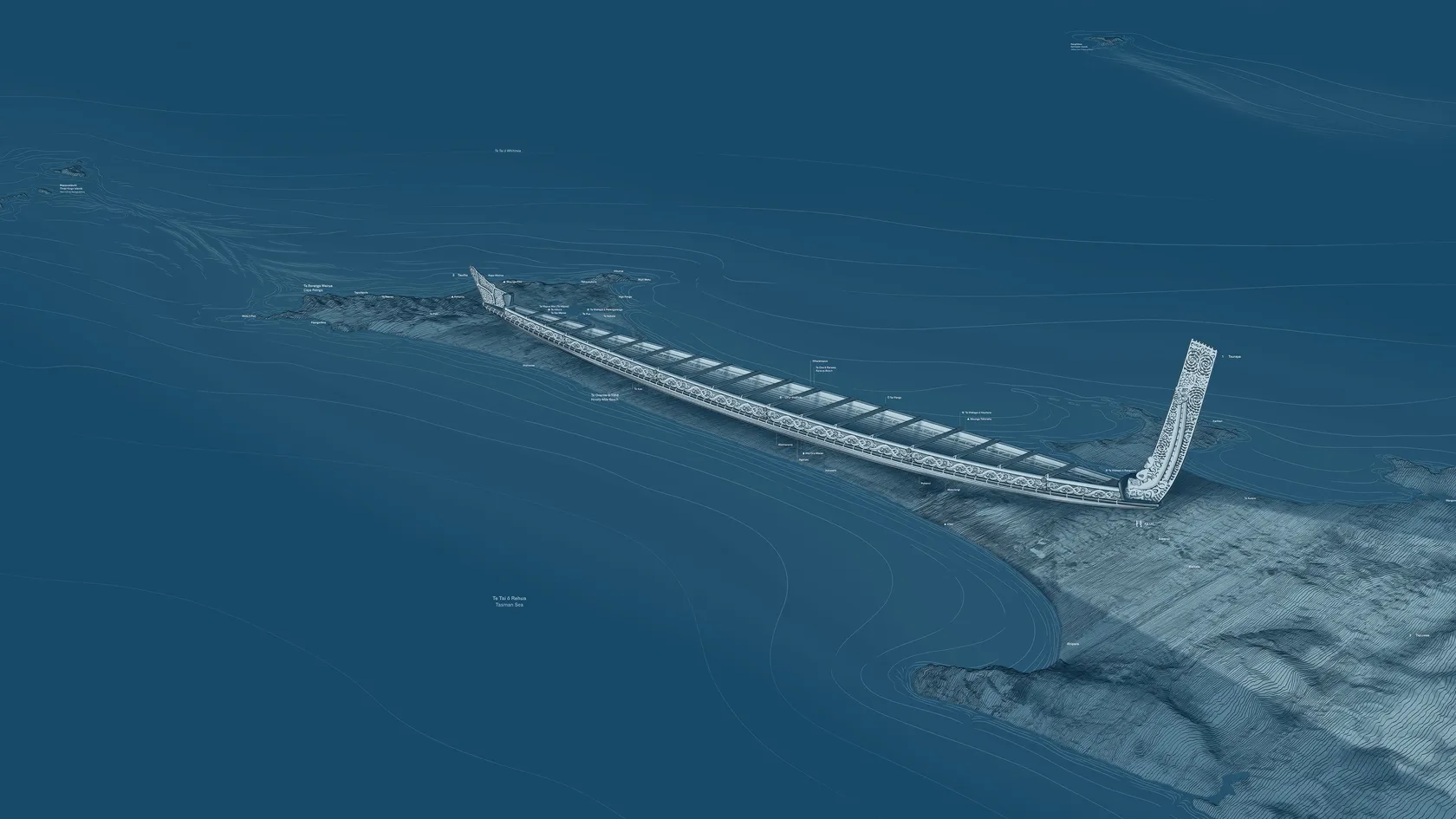
Te Ara Whānui charts a collective course for Ngāti Kuri that is grounded in the taiao. The strategy is represented as an illustrated waka, connecting places of significance and mapping the distribution of effort, care, and intent. On the horizon, ever-present, is Rangitāhua: a marker of origin and return, calling Ngāti Kuri to remember, to reimagine, and reconnect.
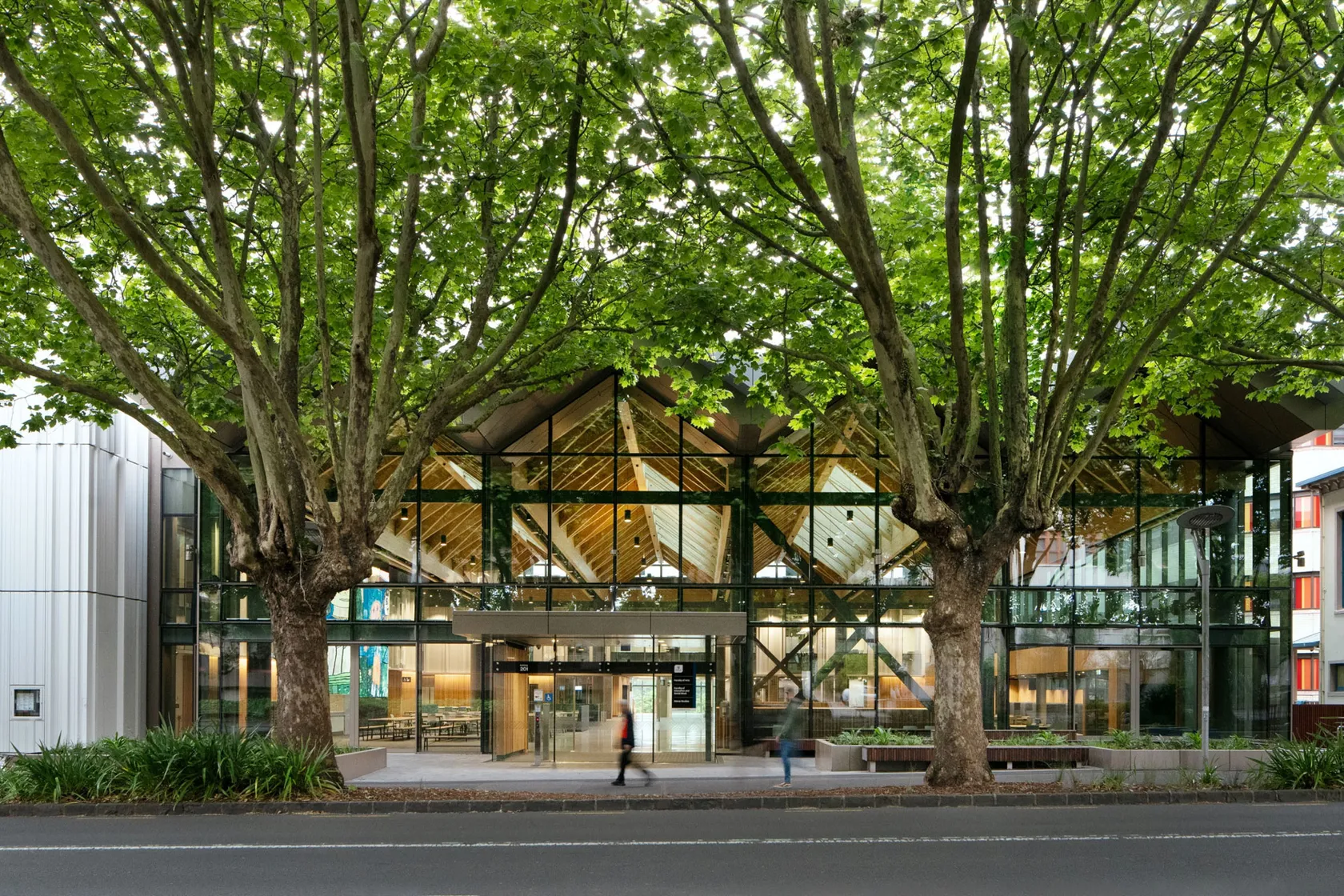
Pūtahi Mātauranga (B201)
Waipapa Taumata Rau University of Auckland
Jasmax
Iho
He tukutuku kōrero, he tukutuku mātauranga
A release of narrative, a sharing of knowledge
Whakamārama
Pūtahi Mātauranga sets a new benchmark in low-carbon architecture. A 50-year-old building was transformed into a world-leading academic hub that emits half the embodied carbon and uses a third of the energy of an equivalent new build. As the highest Green Star-rated development in Aotearoa, it demonstrates the potential of adaptive reuse and achieves major sustainability gains while supporting the University’s creative, educational, and cultural futures.
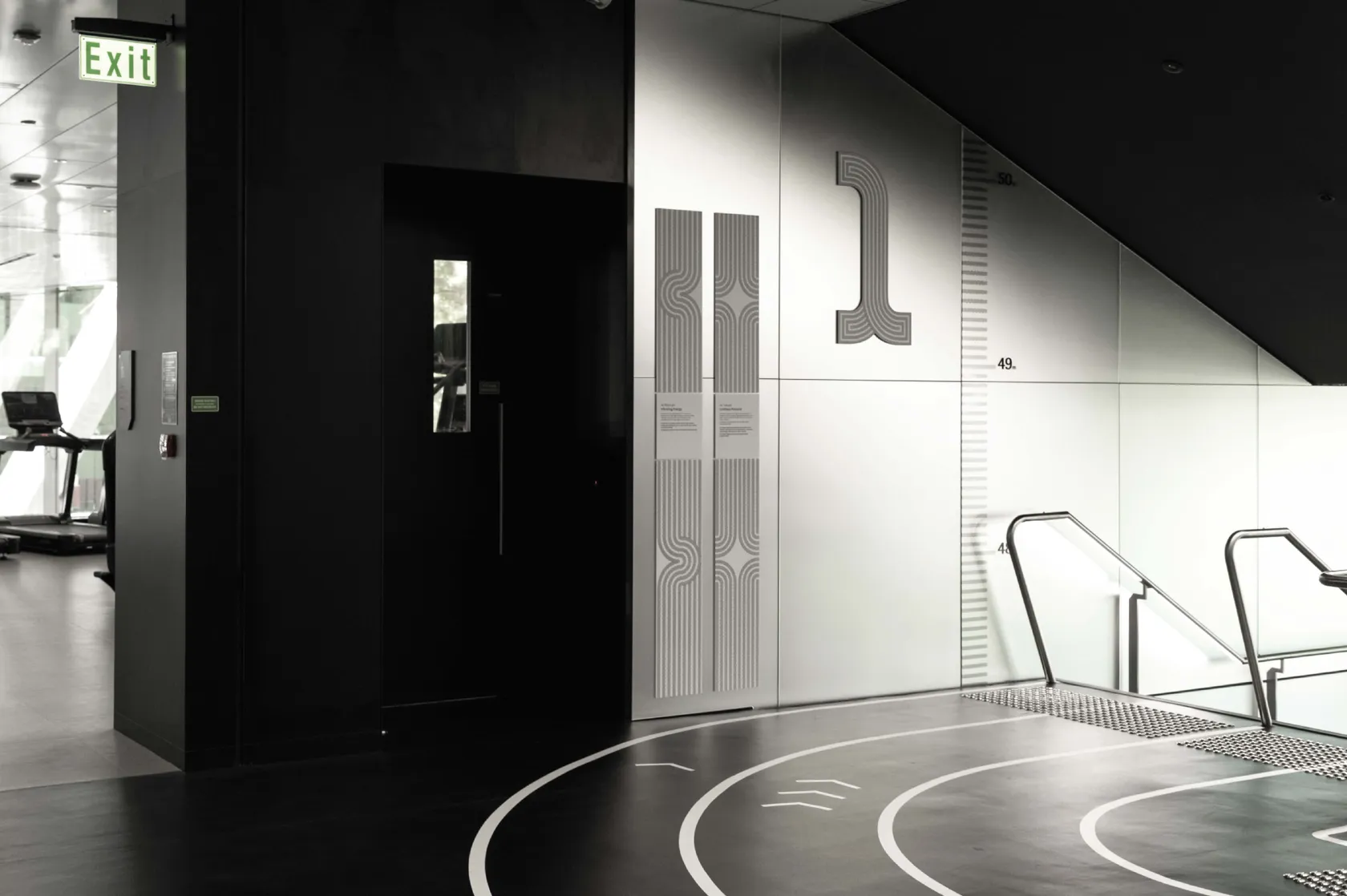
Hiwa
Waipapa Taumata Rau University of Auckland
MJMA Architecture & Design
Warren and Mahoney
Iho
Whāia te ia ki tō ao nui i te ao whānui
Journey to your world within a world
Whakamārama
Hiwa, which replaces the former University of Auckland Recreation Centre, is designed as a world within a world – a place where community is shaped through ritual, movement, and shared experience. The space explores how physical and cultural practices contribute to identity and connection. Drawing on historical, social, and environmental context, it offers a space where identity can be shaped and community strengthened through purposeful design.
OHOOHO
Composed by Ricky-Lee Mitai
Vocals by Tikirau Hathaway and Ricky-Lee Mitai
Iho
Ina tū ka rongo
Ina aro ka mōhio
Ina hono ka mārama
In stillness we sense
In presence we understand
In connection we are conscious
Whakamārama
Waiata shape more than stories – they shape the way we move together, guided by rhythm, intention, and shared feeling. They bind us through sensation, not just thought, calling us into something greater than ourselves.
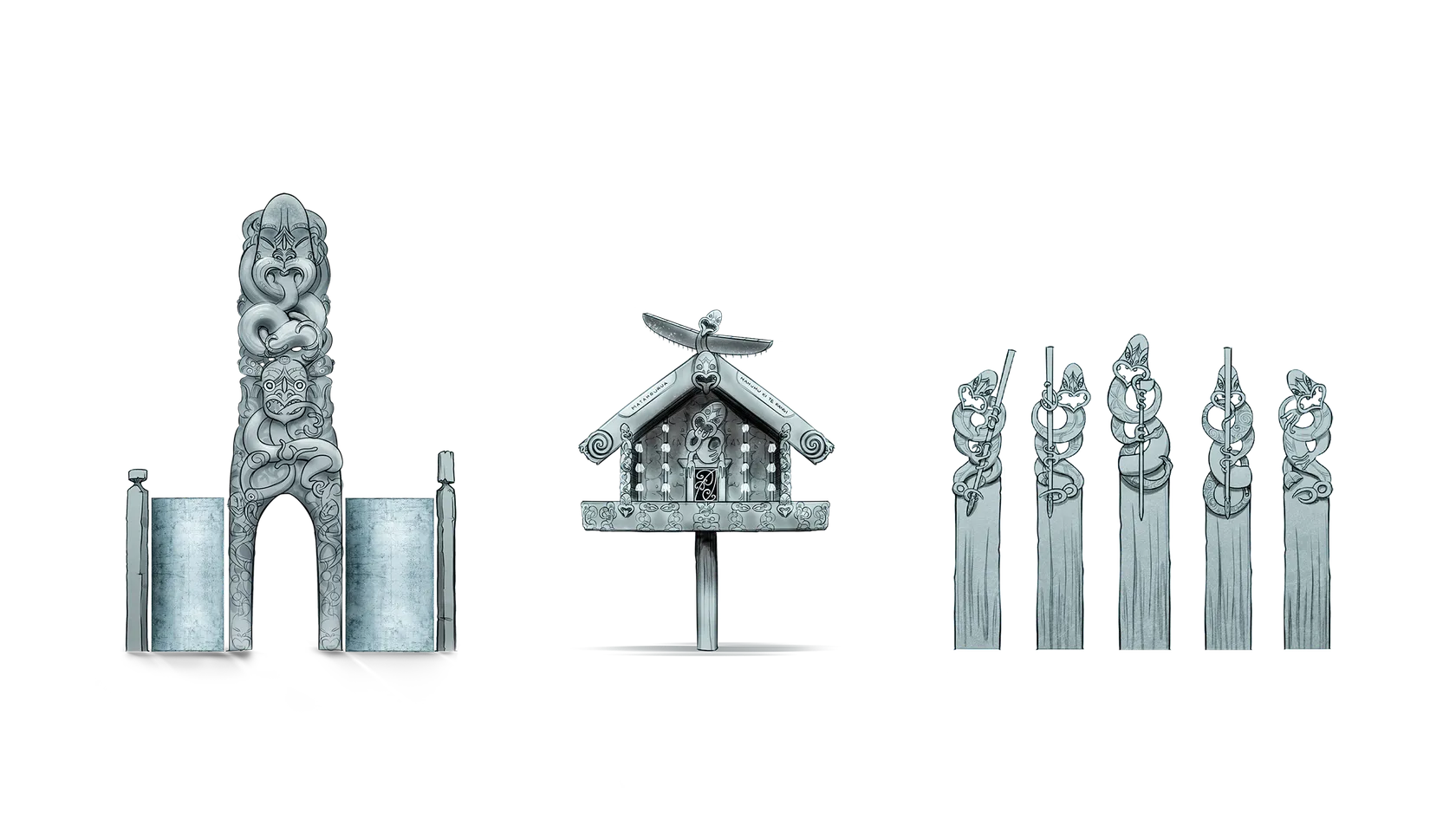
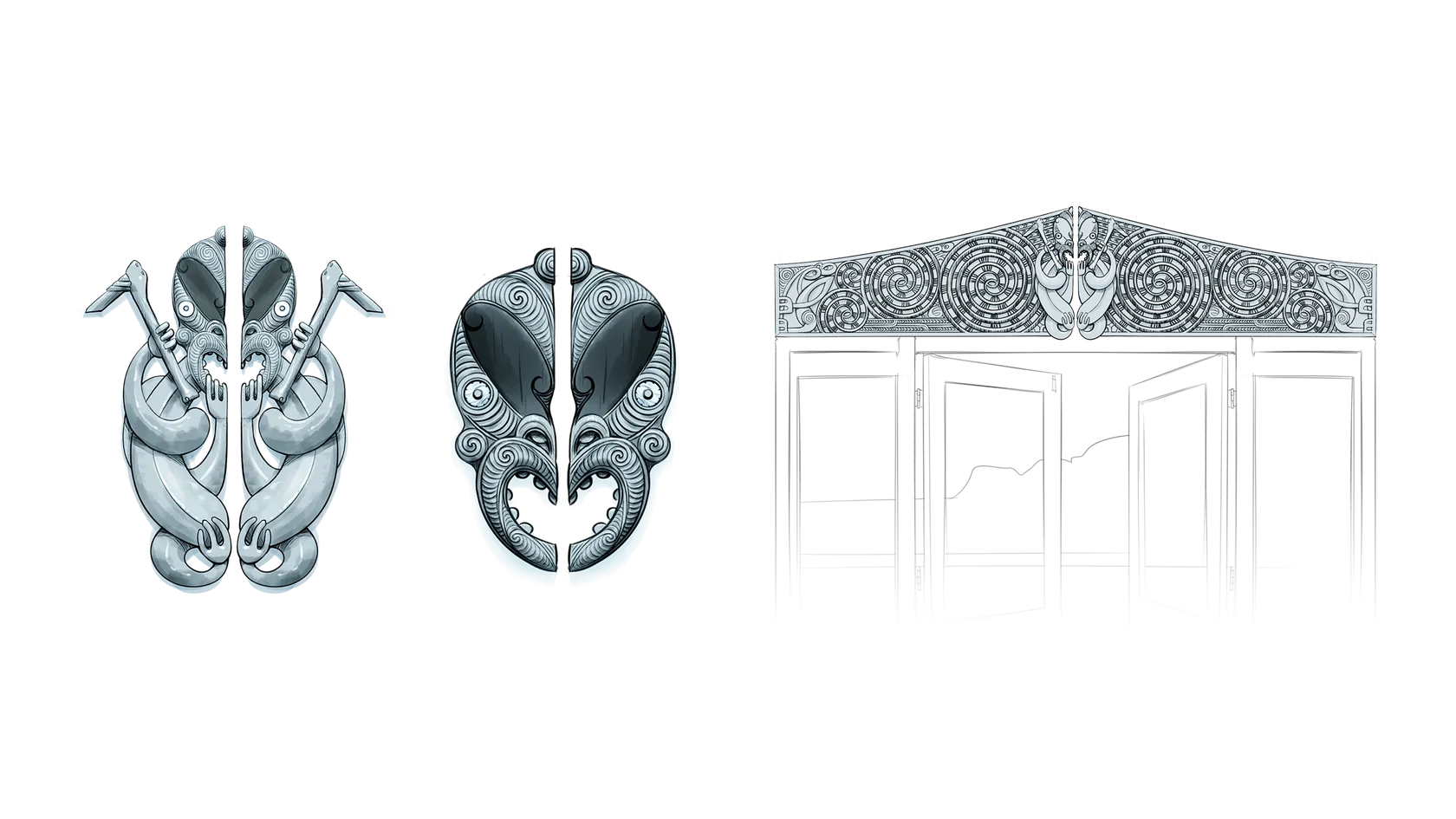
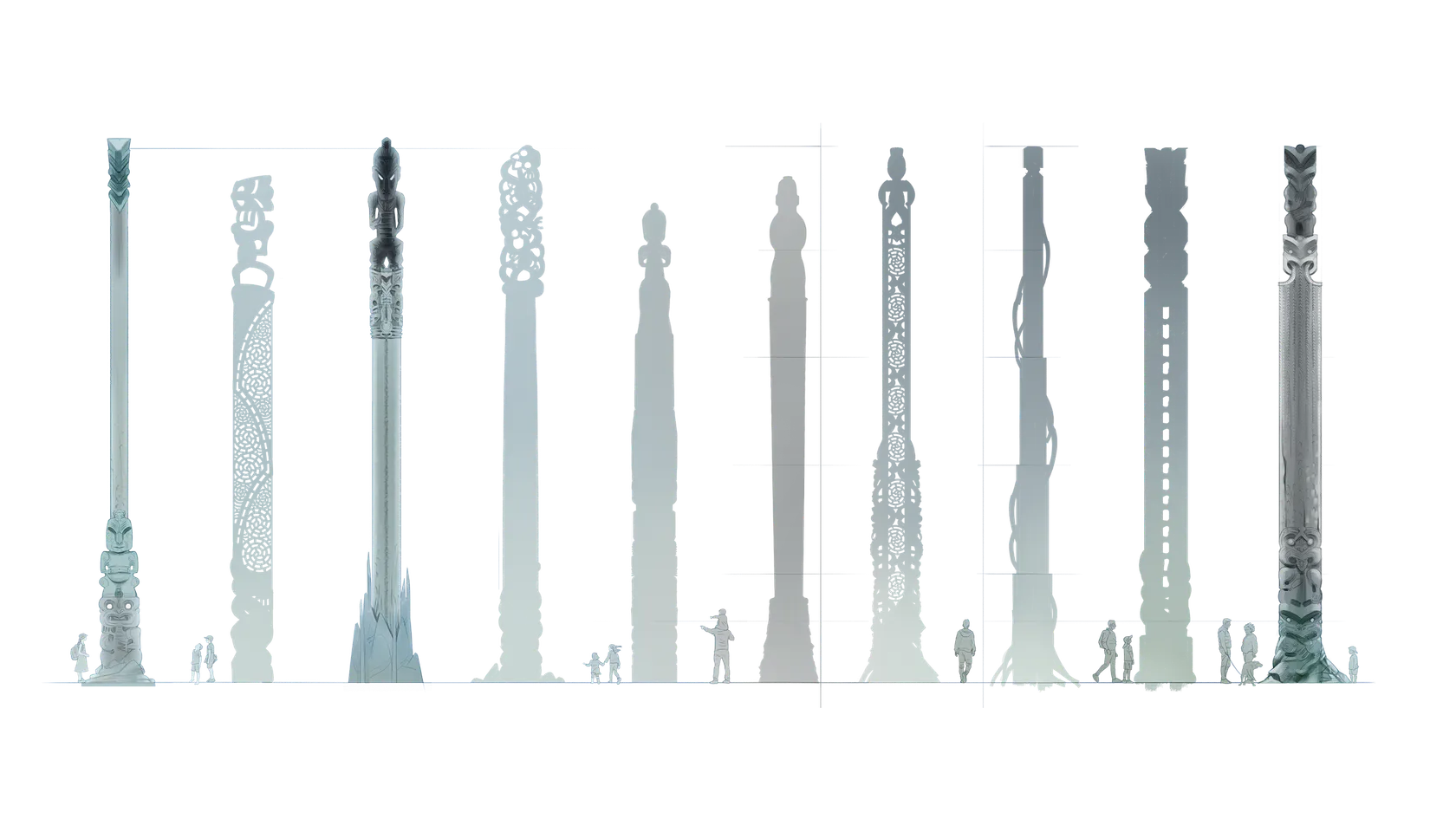
Nō tātou e waihanga ana i te whenua, e waihanga ana te whenua i a tātou
As we shape our existence, the land shapes us

Te Wai Ngutu Kākā Gallery
AUT Te Wānanga Aronui o Tāmaki Makau Rau
Iho
Ko tā te ngutu kākā tangi, he whakaoho i te rangi me te whenua
The cry of the kākā beak hastens the awakening of the heavens and earth
Whakamārama
Te Wai Ngutu Kākā Gallery is named after an endemic shrub whose flower resembles the beak of the kākā. Ngutu kākā is a tohu – a seasonal marker signalling wider ecological and celestial shifts. The name expresses a deep connection to place that honours the rhythms, memory, and relationships embedded in the natural and cultural landscape.

Tauira
Iho
Mā te tauira taiao ka tohua mai he tohunga
Mā te tauira ako ka tohua mai he māramatanga
Through the pattern of environmental phenomena, we see
Through the pattern of learning, we understand
Whakamārama
Tauira are patterns drawn from the repeated forms and behaviours of the taiao. They record movement, rhythm, and relationship, and offer insight into how nature organises itself and maintains balance. The term has also come to describe a student or teacher. In both meanings, tauira reflects observation, transmission, and the shaping of knowledge through time.
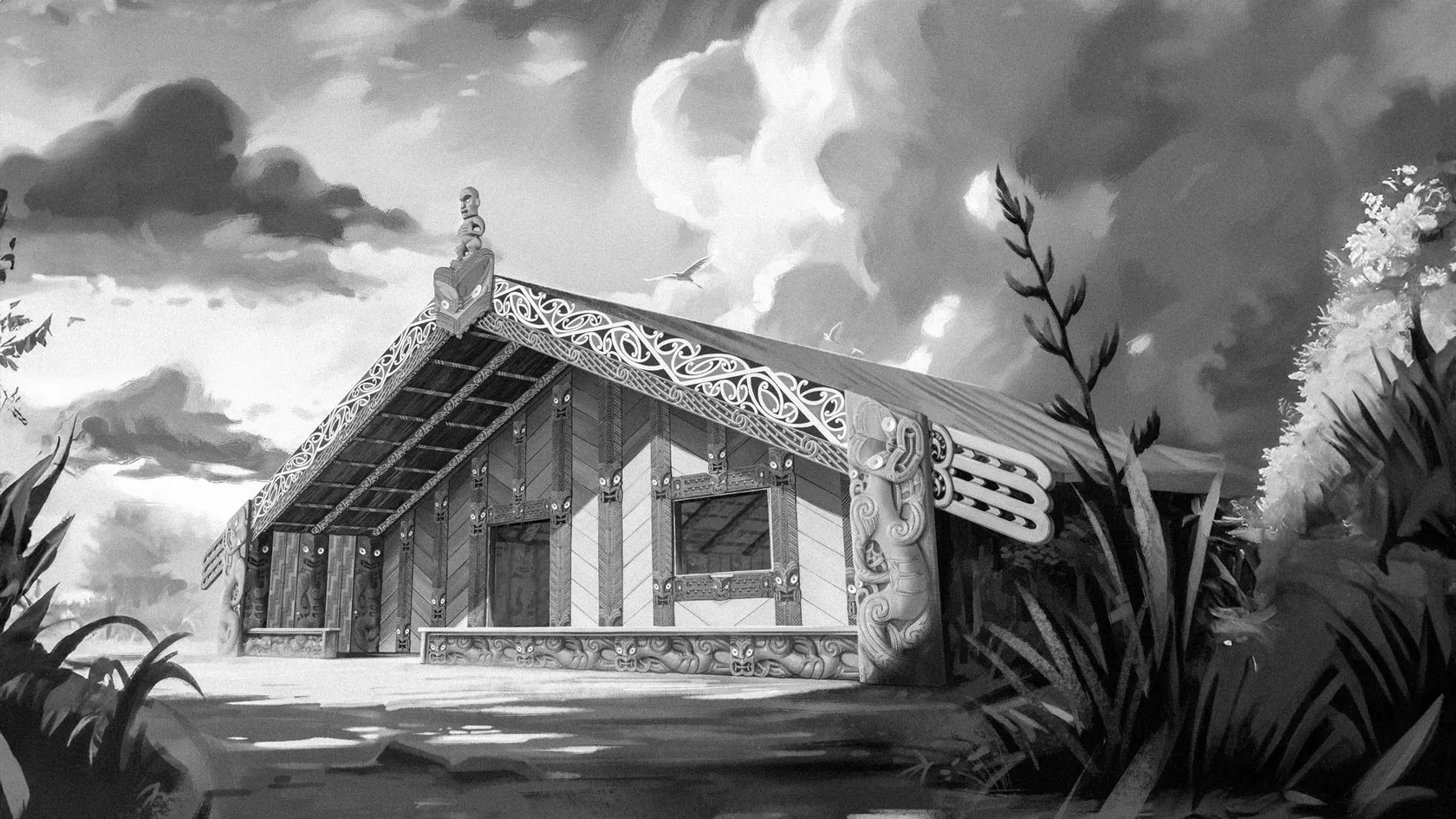
TE WHARE WHAKAIRO
Electoral Commission Te Kaitiaki Take Kōwhiri
Iho
He mā rae
He mā ihiihi
Ka amohia te mana
A space of thought
Of reflected energy
And of strengthened identity
Whakamārama
Wharenui are the pillars of our tribal identity and living models of balance. They frame our relationships within the taiao, including to Rangi and Papa (the celestial and terrestrial realms), the hunga mate and hunga ora (the dead and the living), and Te Pō and Te Ao Mārama (the darkness and the world of light). The outer form of a wharenui engages the world, while its interior shelters history, identity, and peace. Anchored to the ground and in whakapapa, wharenui connect the past to the future, whenua to sky, and people to purpose.
Ngā Tohu
Iho
Ko tā te taiao he whakaihiihi i a tātou me te ārahi i a tātou ki ngā tohu nui o te ao tangata
The natural world energises and orientates us with the tangible markers of humanity
Whakamārama
Tohu are signs – whether environmental or constructed – that mark thresholds, reveal patterns, and carry meaning. In nature, they arise through cyclical shifts: the sun’s position, seasonal change, tidal flow. Designed tohu, including logos and wordmarks, mirror this role. They express identity, intent, and connection. Both forms help orient us in the world, reflecting shared knowledge, and affirming a considered sense of purpose, presence, and direction.
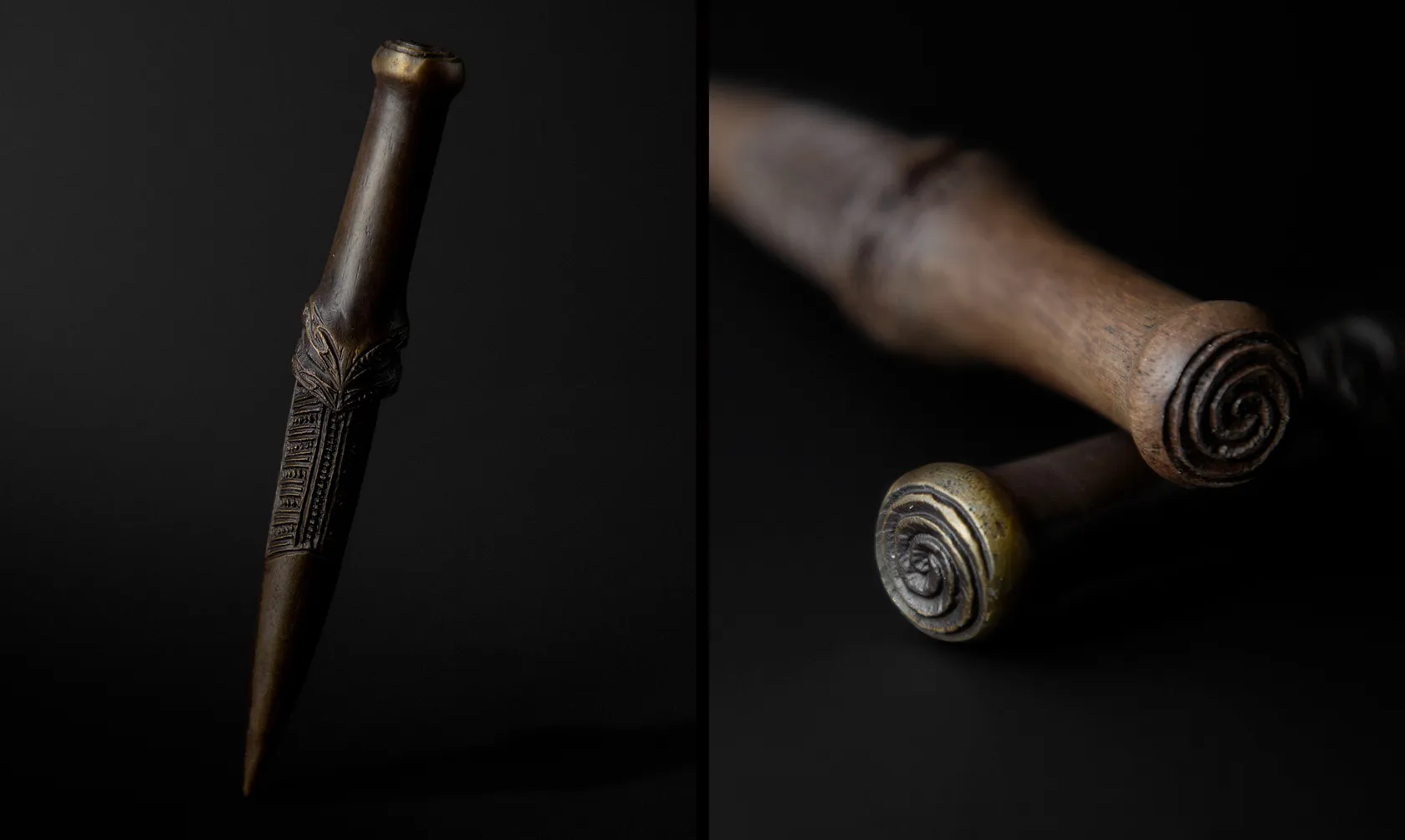
TE HONONGA
All Whites
Iho
Tērā te waewae o Hine-te-iwaiwa, e tau nei ki a Papatūānuku
The deity of weaving’s foot is embedded in Mother Earth
WHAKAMĀRAMA
The All Whites cultural framework was developed to strengthen connection by establishing rituals and shared values that ground the team in Aotearoa, whether they are competing at home or offshore. Te Hononga is a bronze cast of a turuturu, a carved peg that holds a cloak taut during weaving. Te Hononga replaces the pennant that is ceremonially exchanged at international matches, acknowledging the mana of all players and connecting both teams to Aotearoa.
TE PUA RAU OKIOKI
Composed by Ricky-Lee Mitai
Vocals by Ricky-Lee Mitai and Whānau
Iho
Ka tangi te kura, ka tangi wā i ata
As dawn emerges, we cry in song
Whakamārama
Te Pua Rau Okioki is a waiata of thresholds. As dawn severs the night, nature stirs the senses and draws us toward awareness. Though unseen, the space beyond the horizon is felt. It is a place of healing where stillness, memory, and the living world are gently re-aligned.