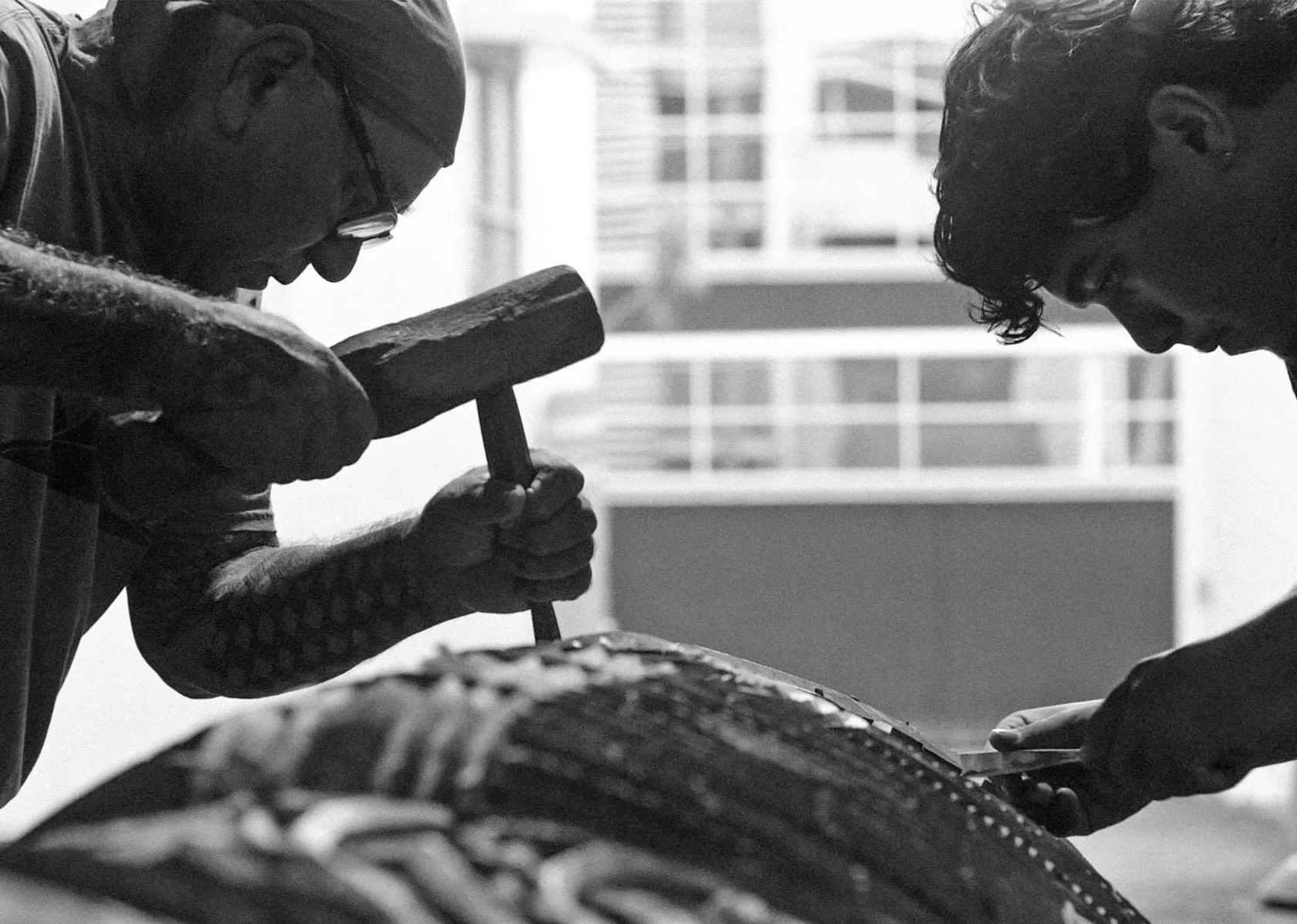
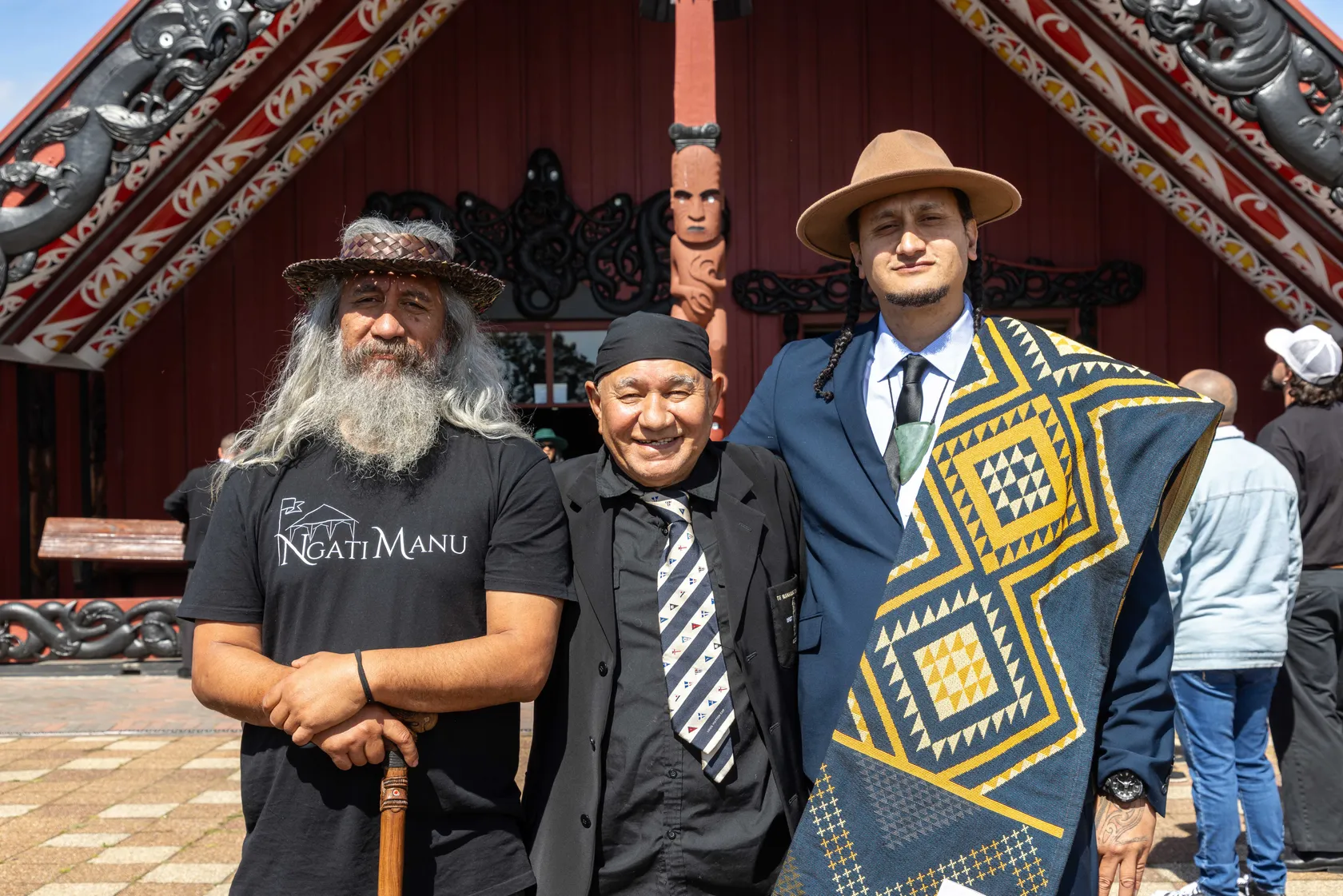
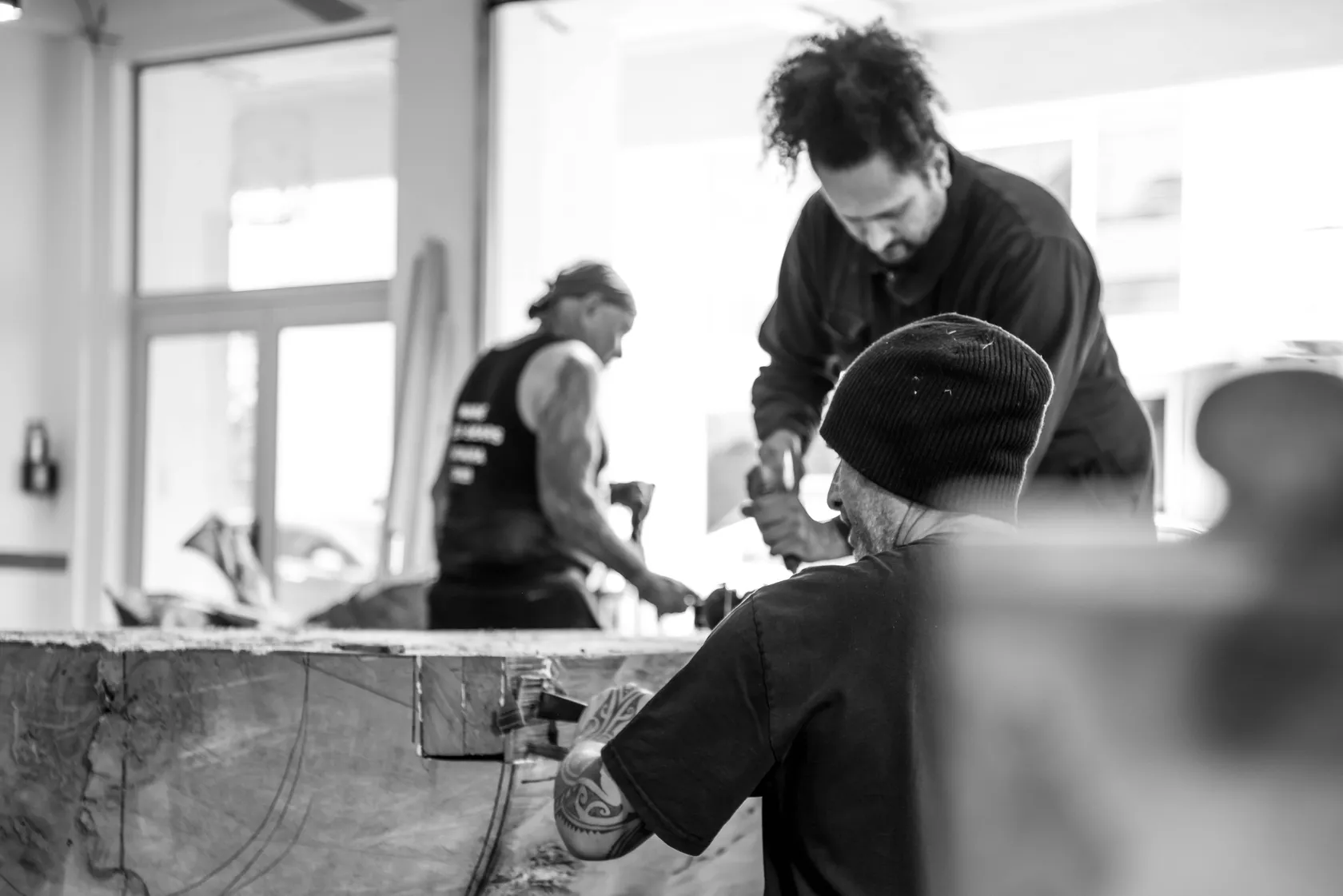
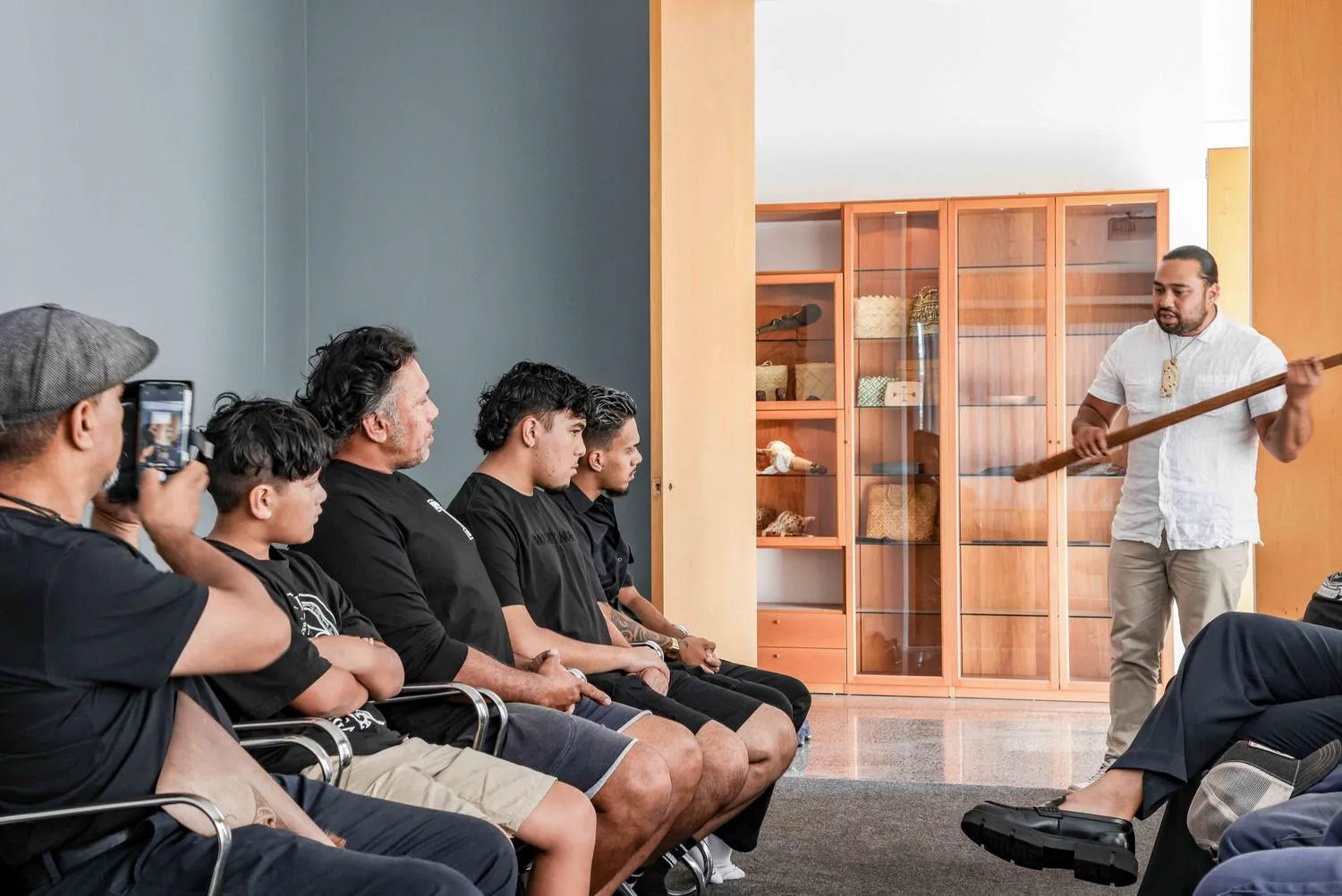
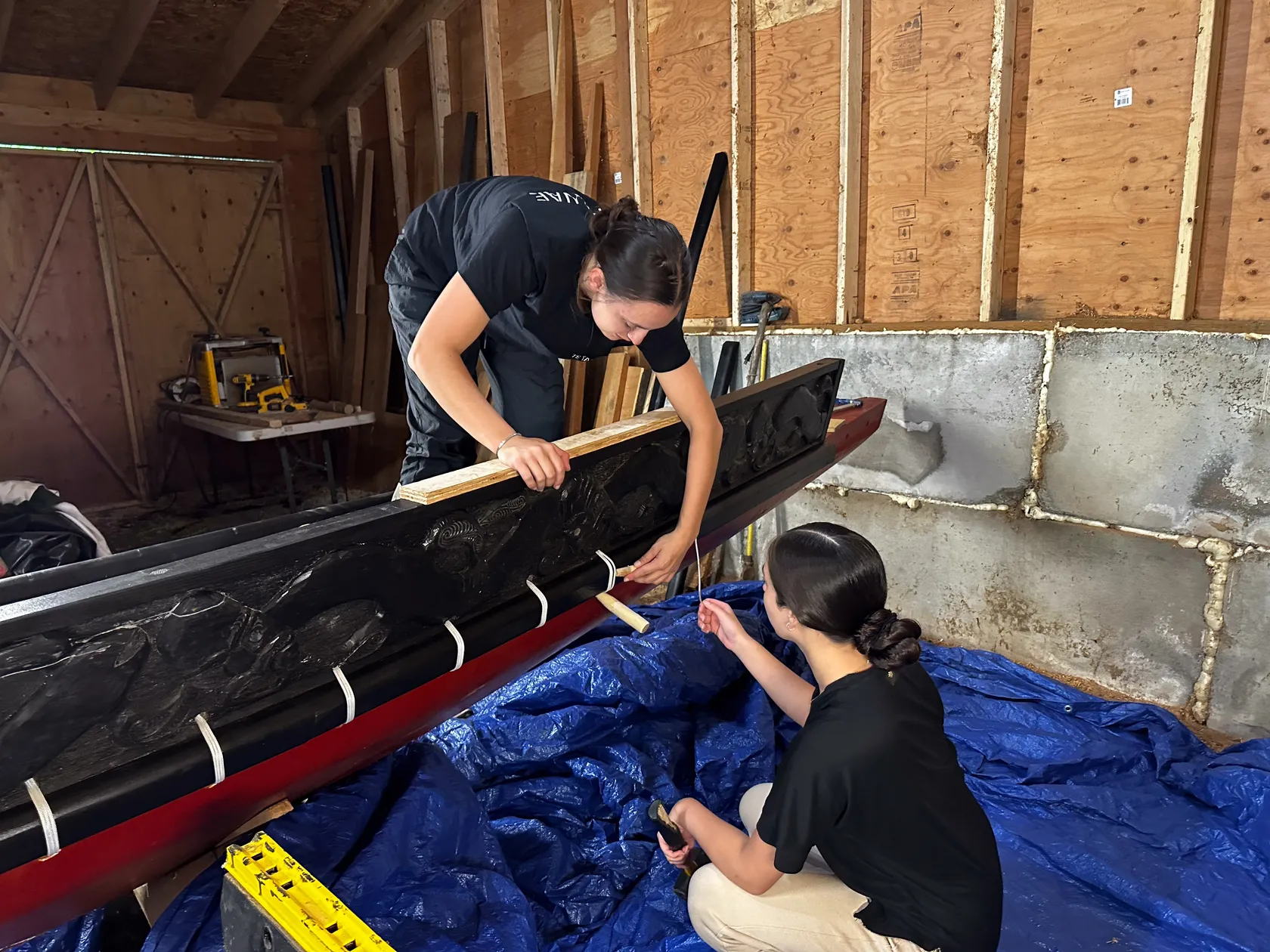
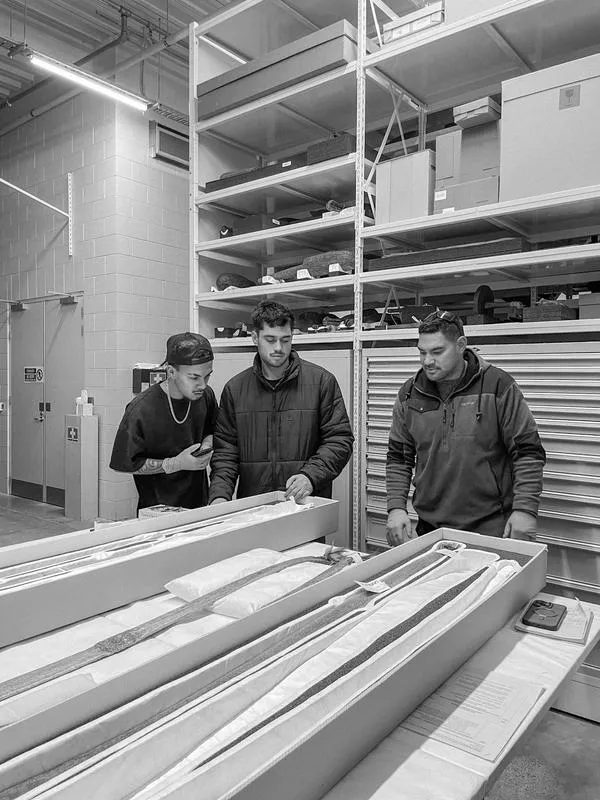
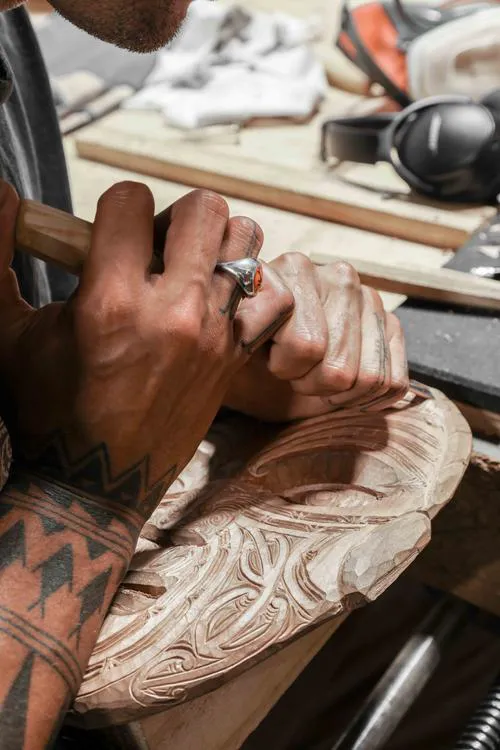
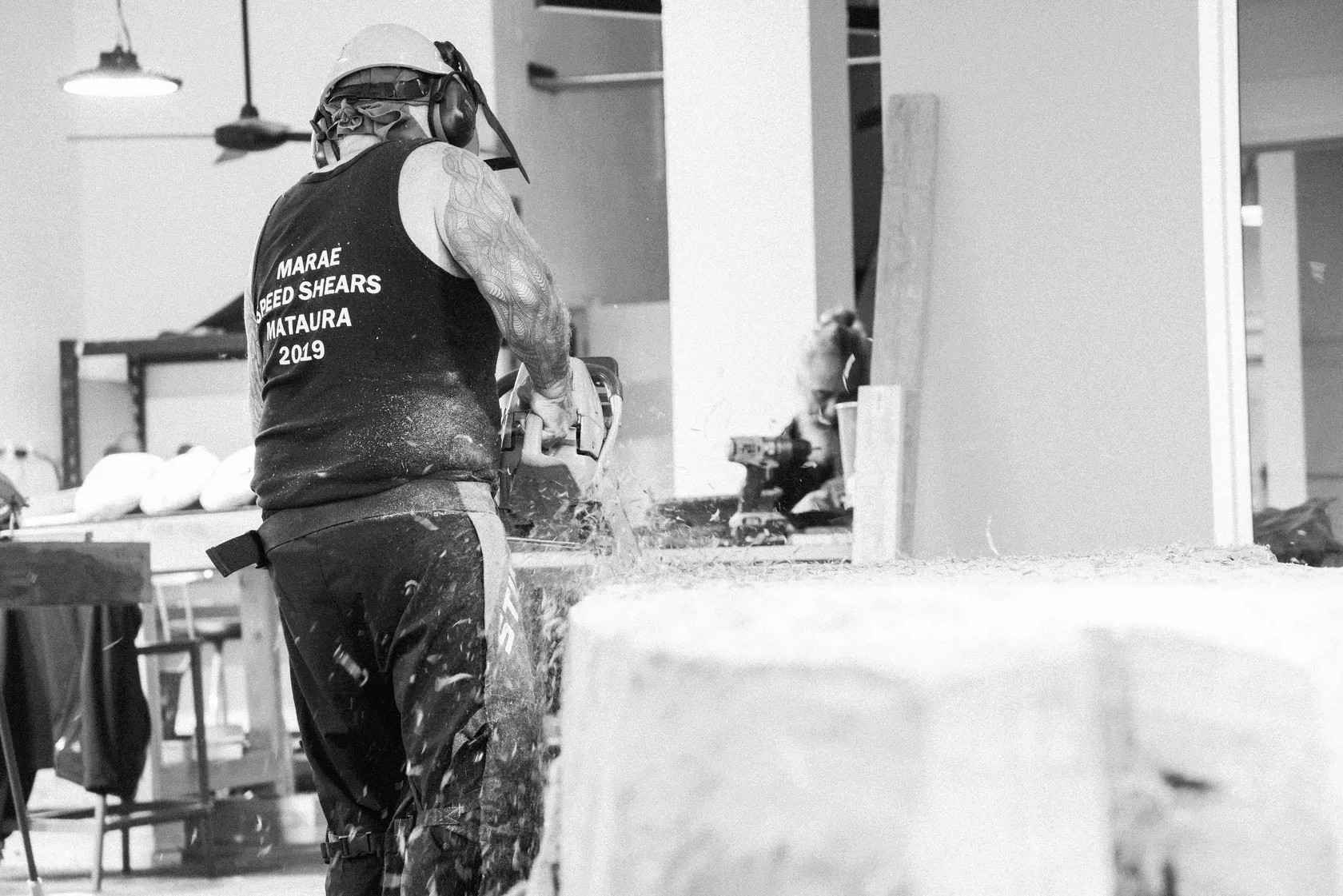
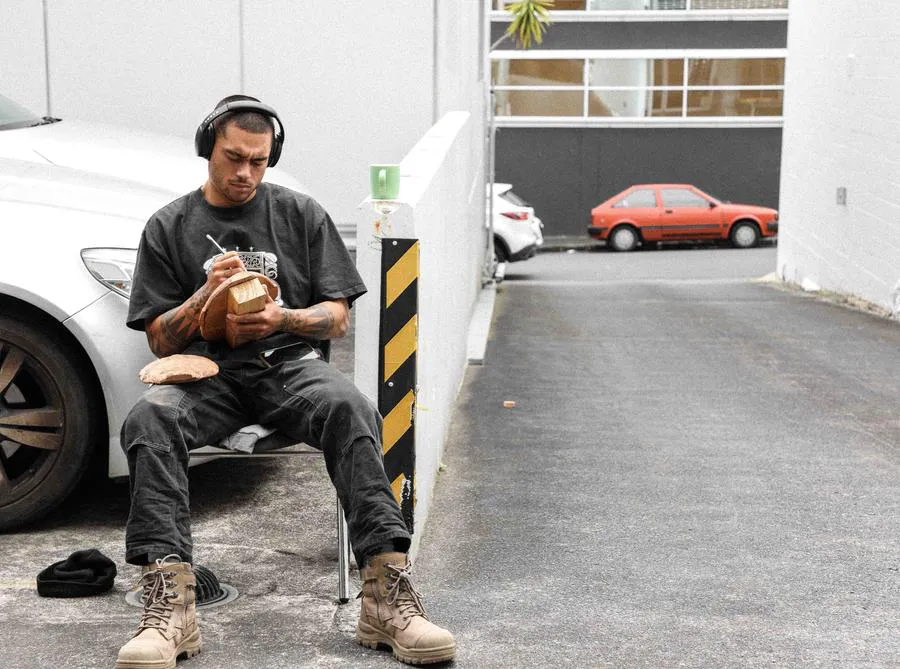
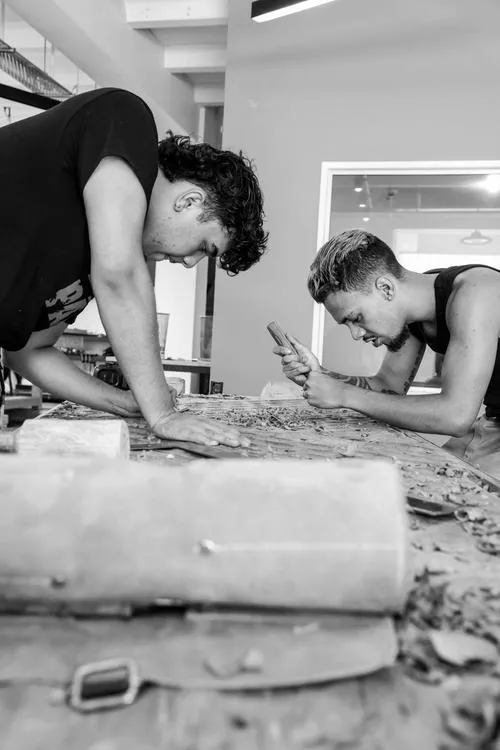
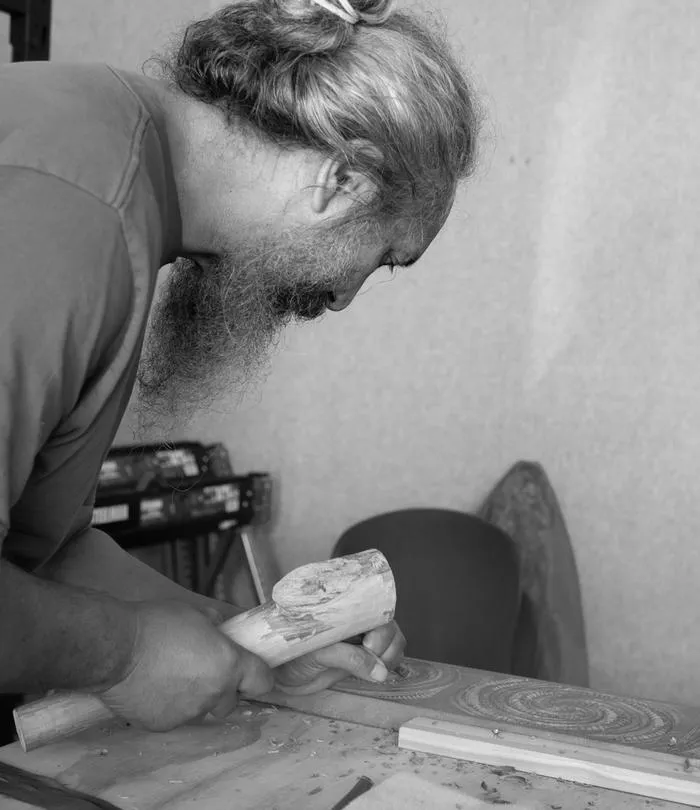
In the 1920s, Sir Āpirana Ngata described whare as ‘the pillars of Māori identity’, recognising that built form does more than provide shelter – it upholds language, ceremony, and collective belonging. Decades later, Tohunga Tārai Waka Sir Hekenukumai Busby referred to waka as ‘the most important artform’, not only for how our ancestors travelled and maintained connections, but for how navigation continues to shape our identity today, on both the ocean and land. Their insights highlight the function of mahi toi as a system that generates connection and pride, sustains social order, and embeds memory into the physical world.
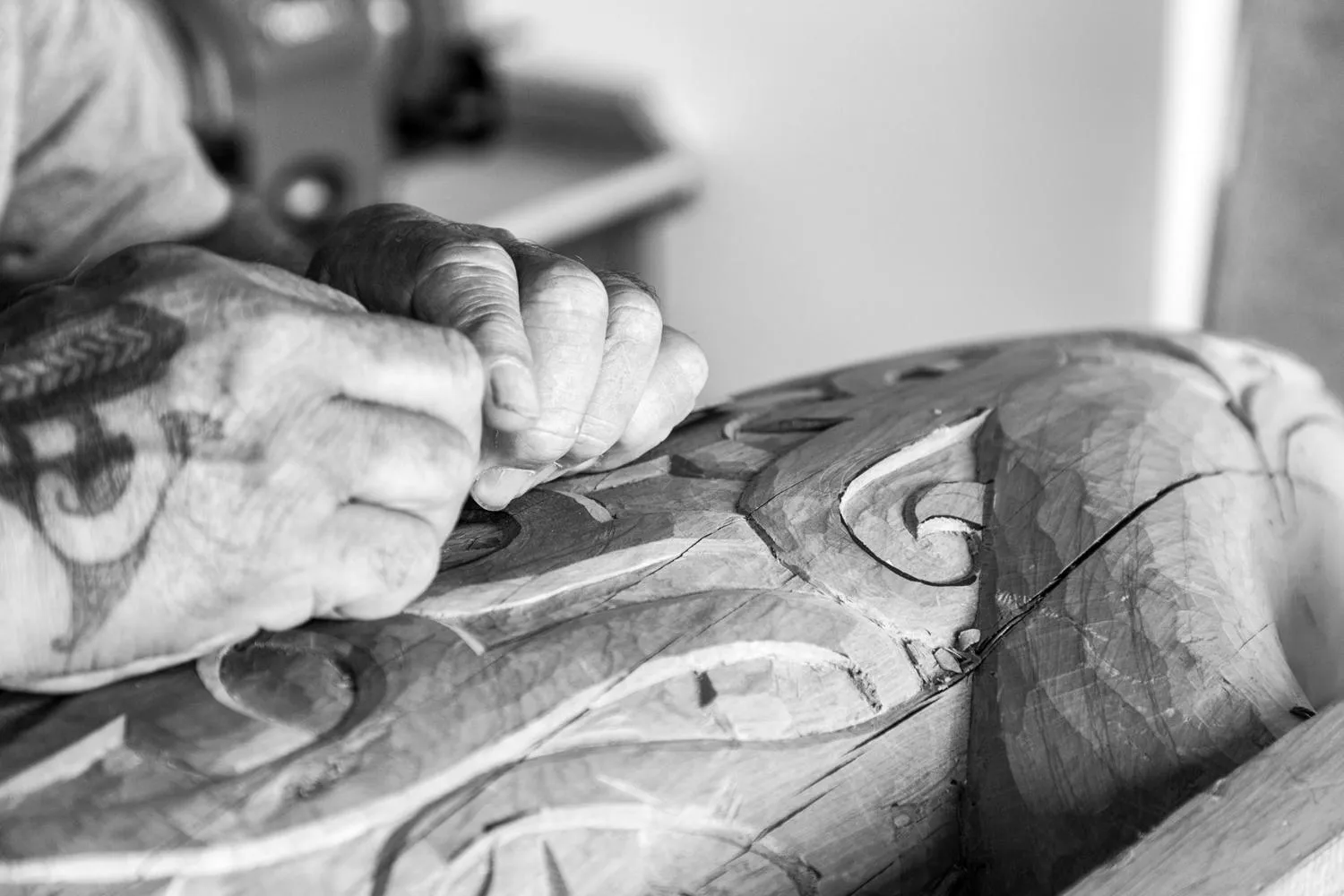
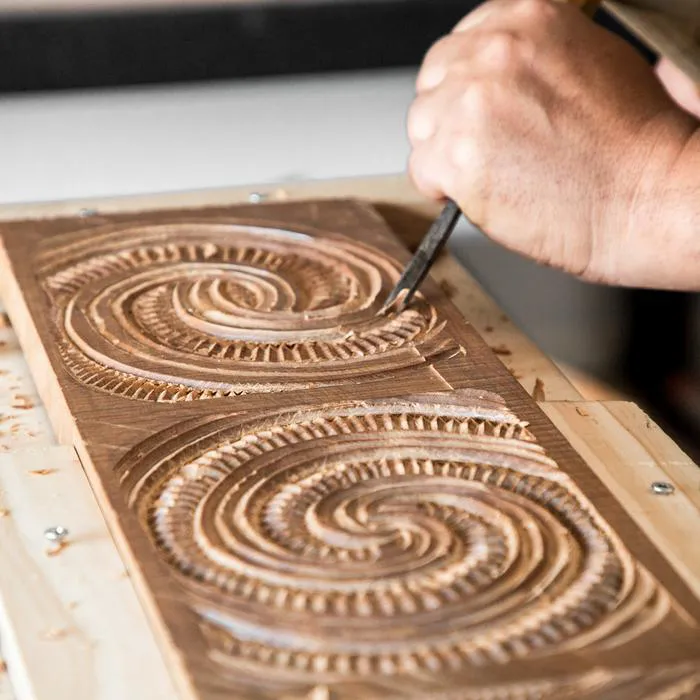
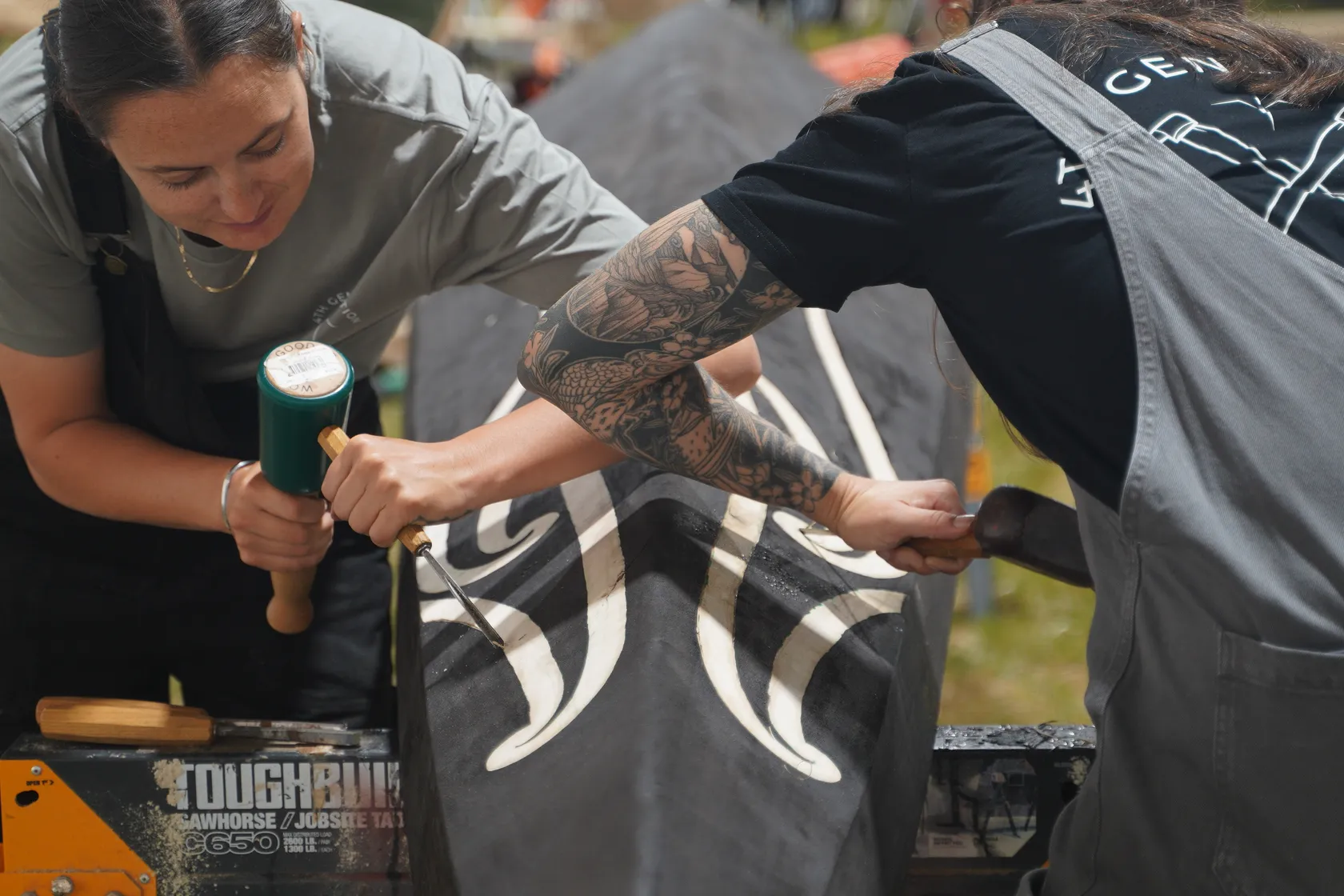
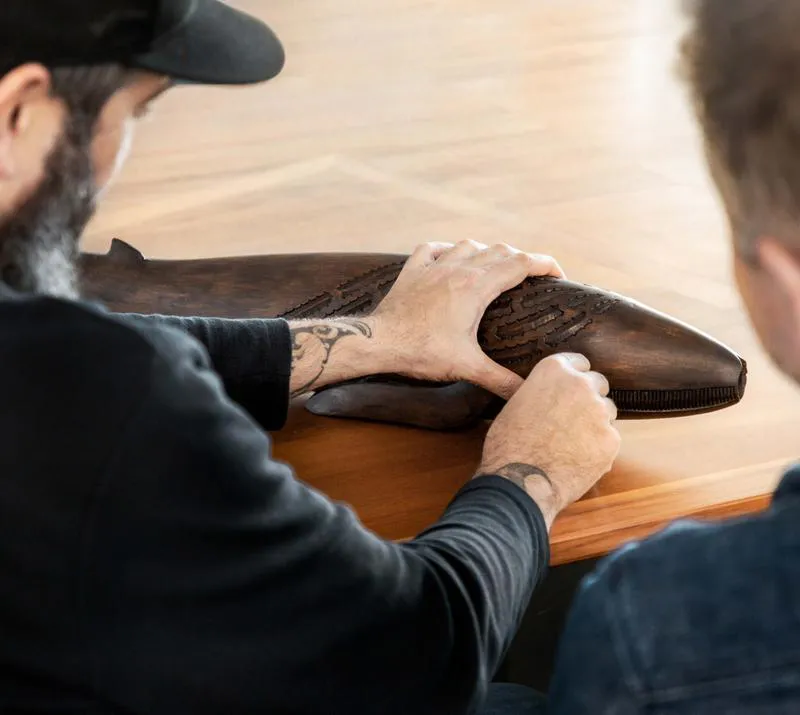
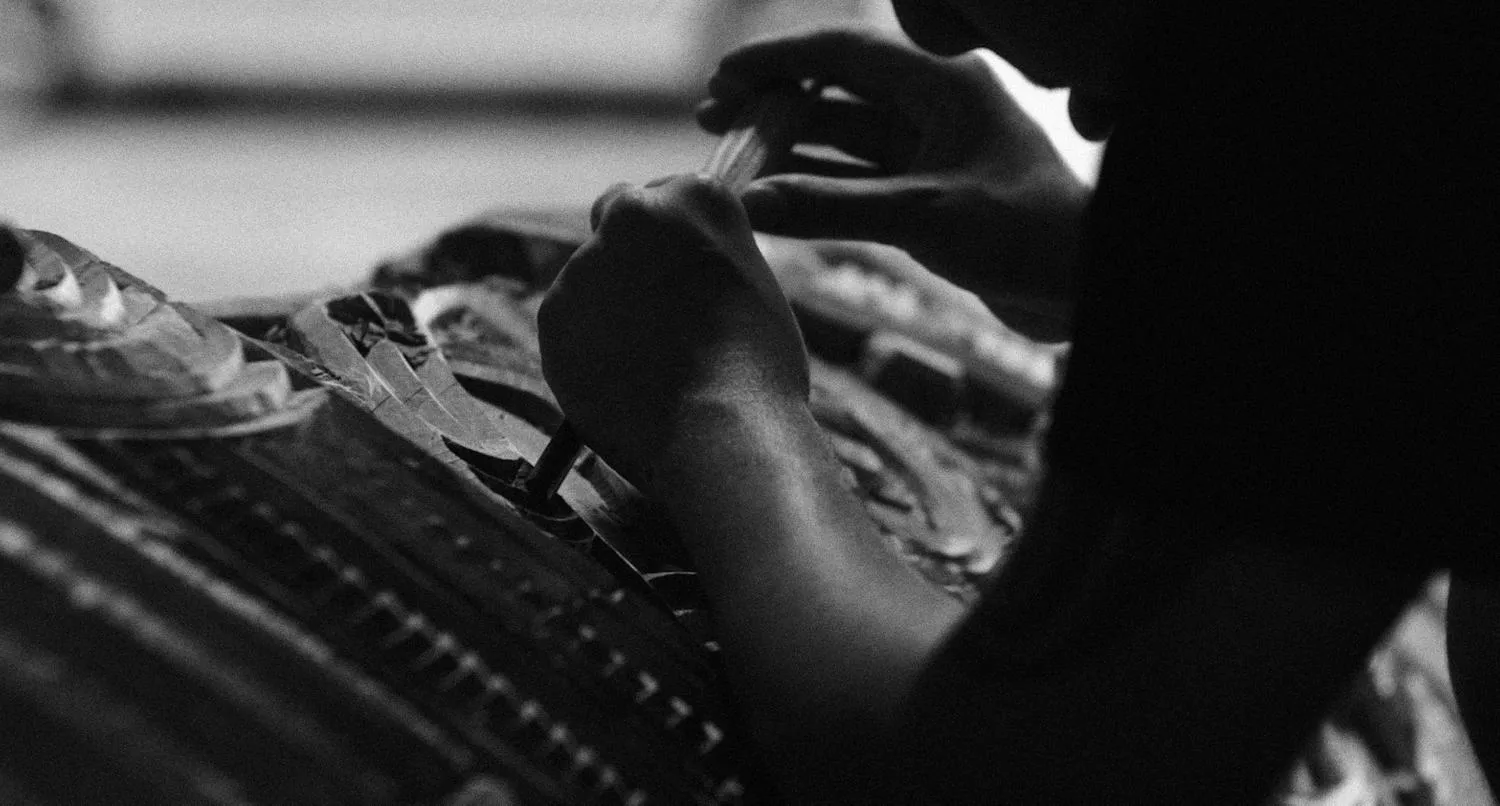
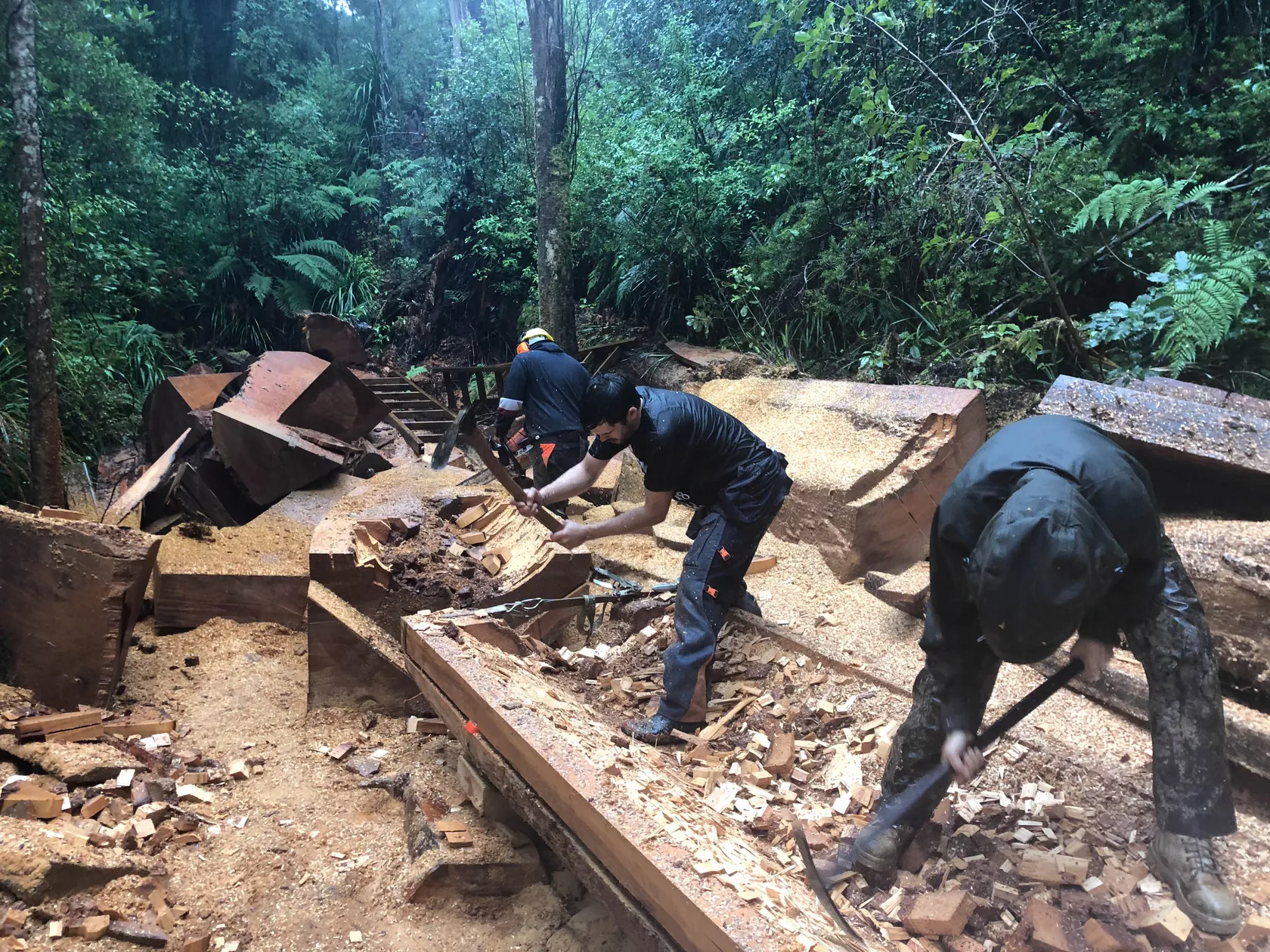
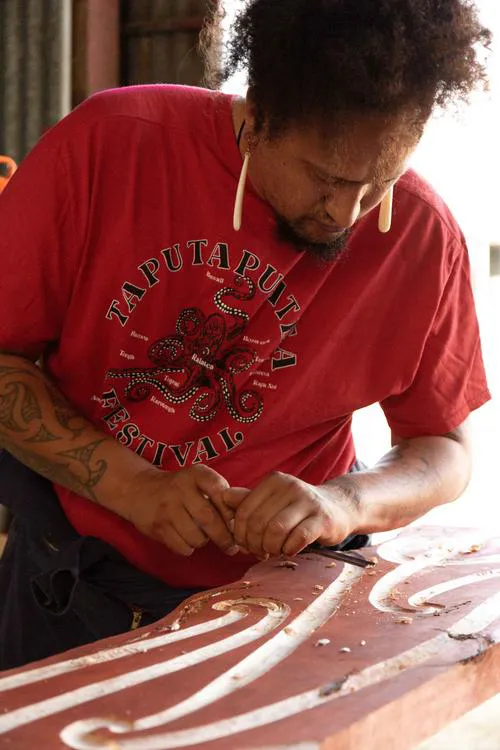
Mahi toi is not simply aesthetic expression. It is an embodied knowledge system, a repository of ancestral memory, and a vital mechanism of intergenerational communication. From the structure of a whare to the hull of a waka, from a carved pou to a woven korowai, mahi toi embodies whakapapa, honours connection to place, and demonstrates ecological intimacy. Each form does more than represent culture; it enshrines it. Mahi toi is the architecture of identity and the infrastructure to cultural continuity.
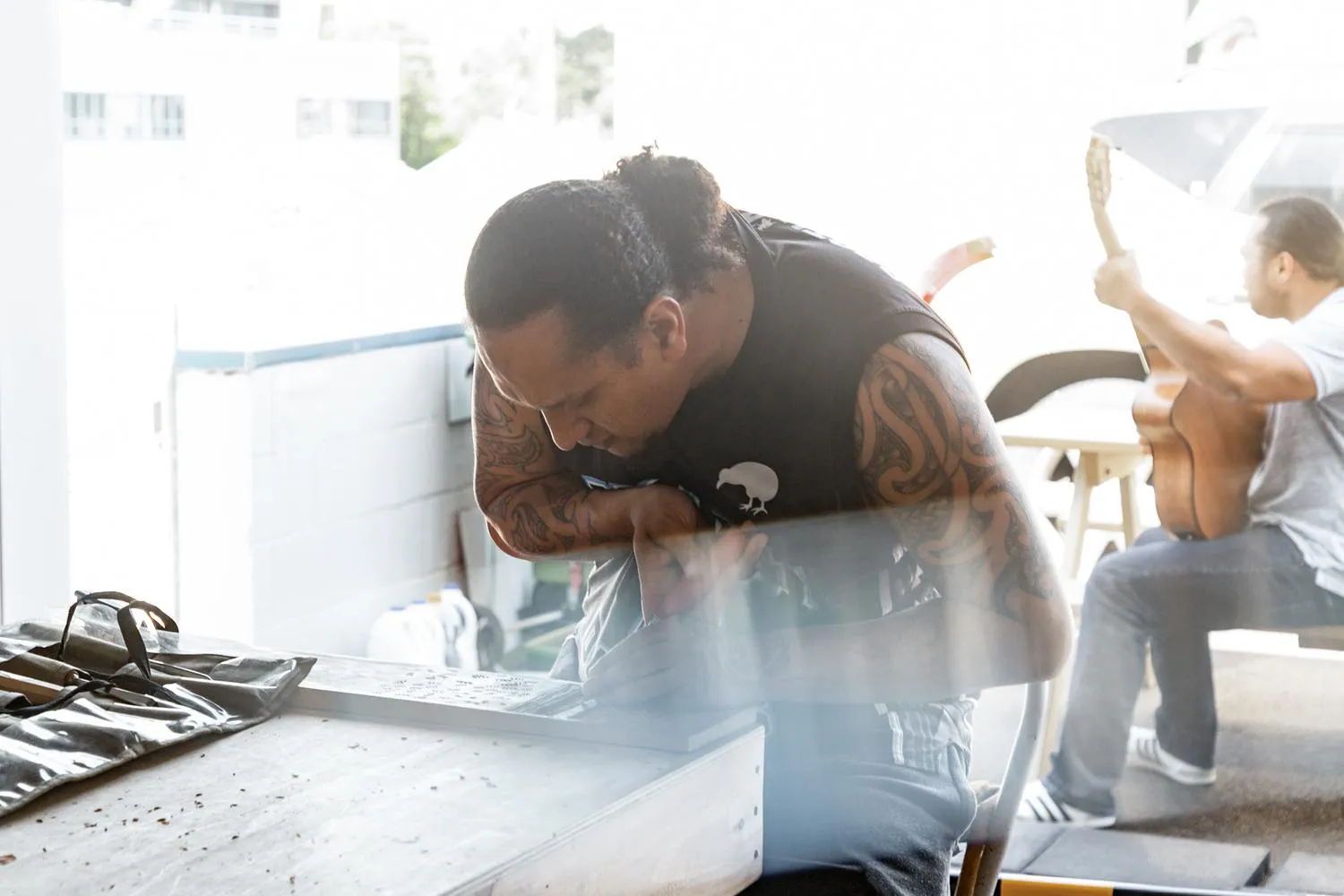
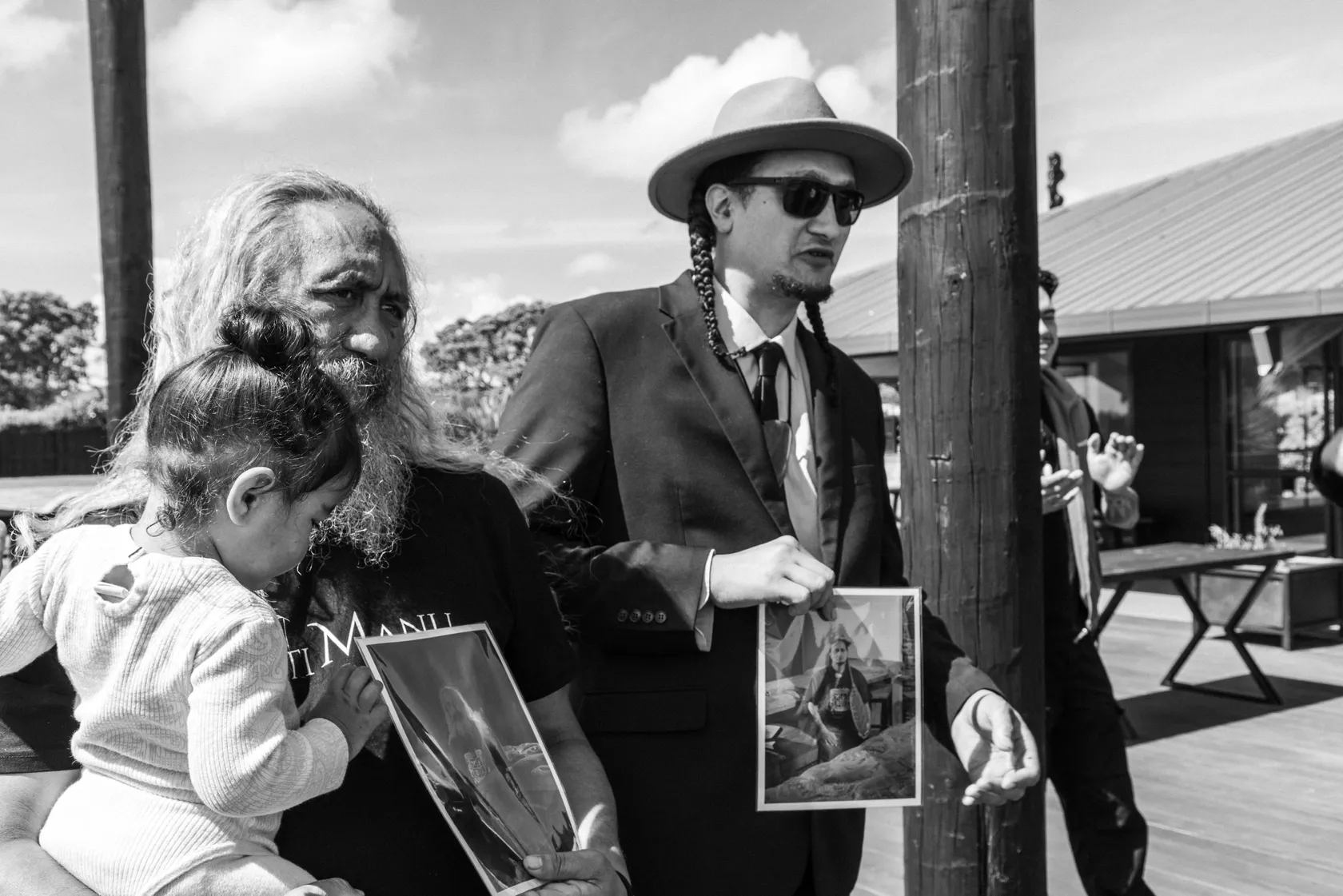
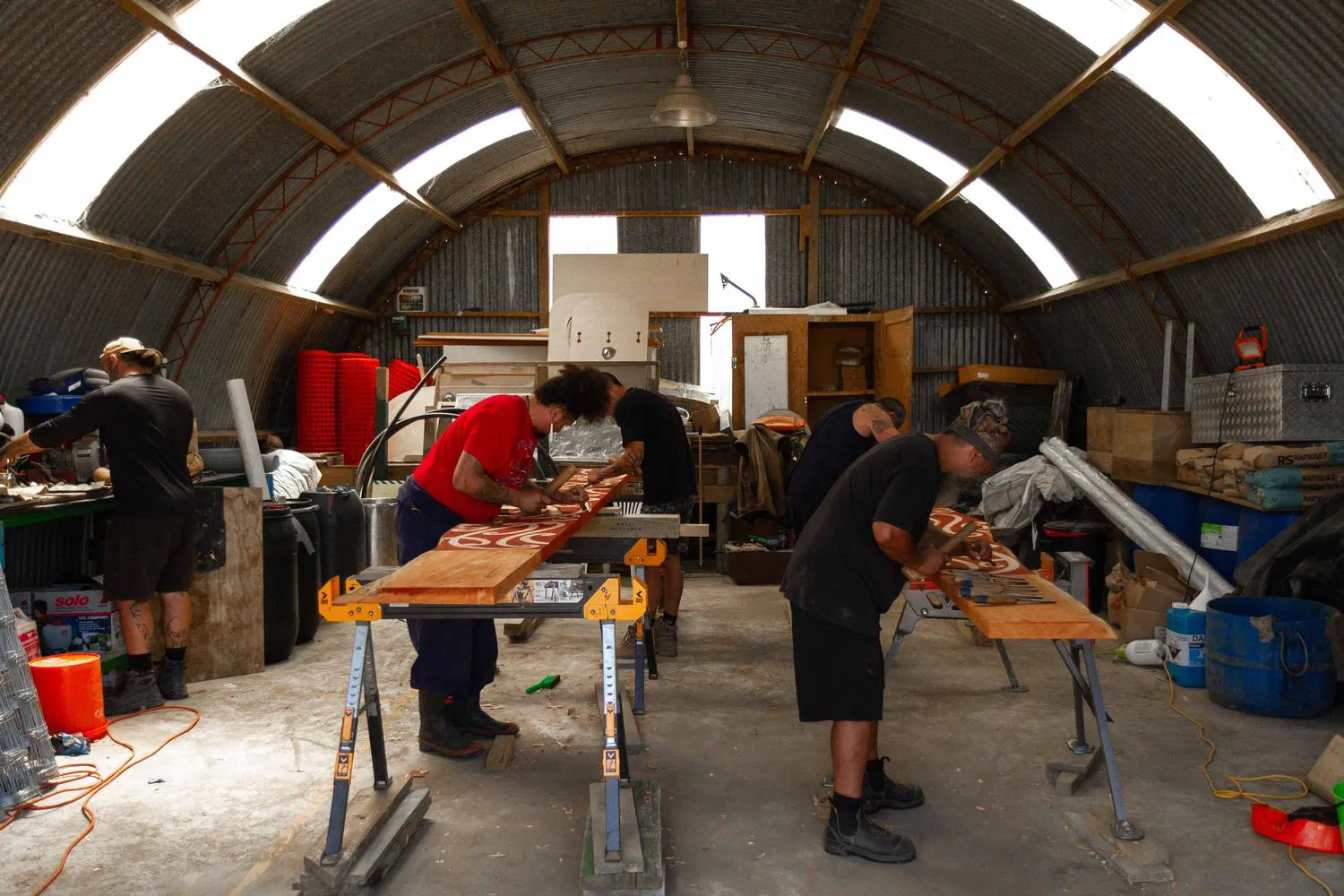
Practitioners of mahi toi operate at the intersection of inherited knowledge and contemporary challenge. They are diplomats, strategists, historians, and translators. Preparing them for this role demands – in addition to skill – a recalibration of how we teach, what we uphold, and an awareness of who these practices will serve.
What sustains mahi toi are the systems and environments that surround it. Continuity depends on investment in the conditions that allow it to evolve: nuanced pedagogies, leadership pathways, iwi-aligned outcomes, and an intergenerational perspective. Material culture is shaped by more than personal expression, but by what it gives back – affirming whakapapa, serving community, and strengthening identity.
Without strategic and collective investment, we risk weakening our resilience at a time of significant environmental, social, and economic change. This responsibility does not sit solely with Crown agencies or sector funders. It requires sustained commitment and self-determination from individuals, iwi, and the private sector. This is the basis of our model: Haumi underwrites the core operations of Ruawhetū as an investment in regeneration and a responsibility to return value to the systems that make value possible. If we draw from the puna of Māori knowledge then we must also replenish it.
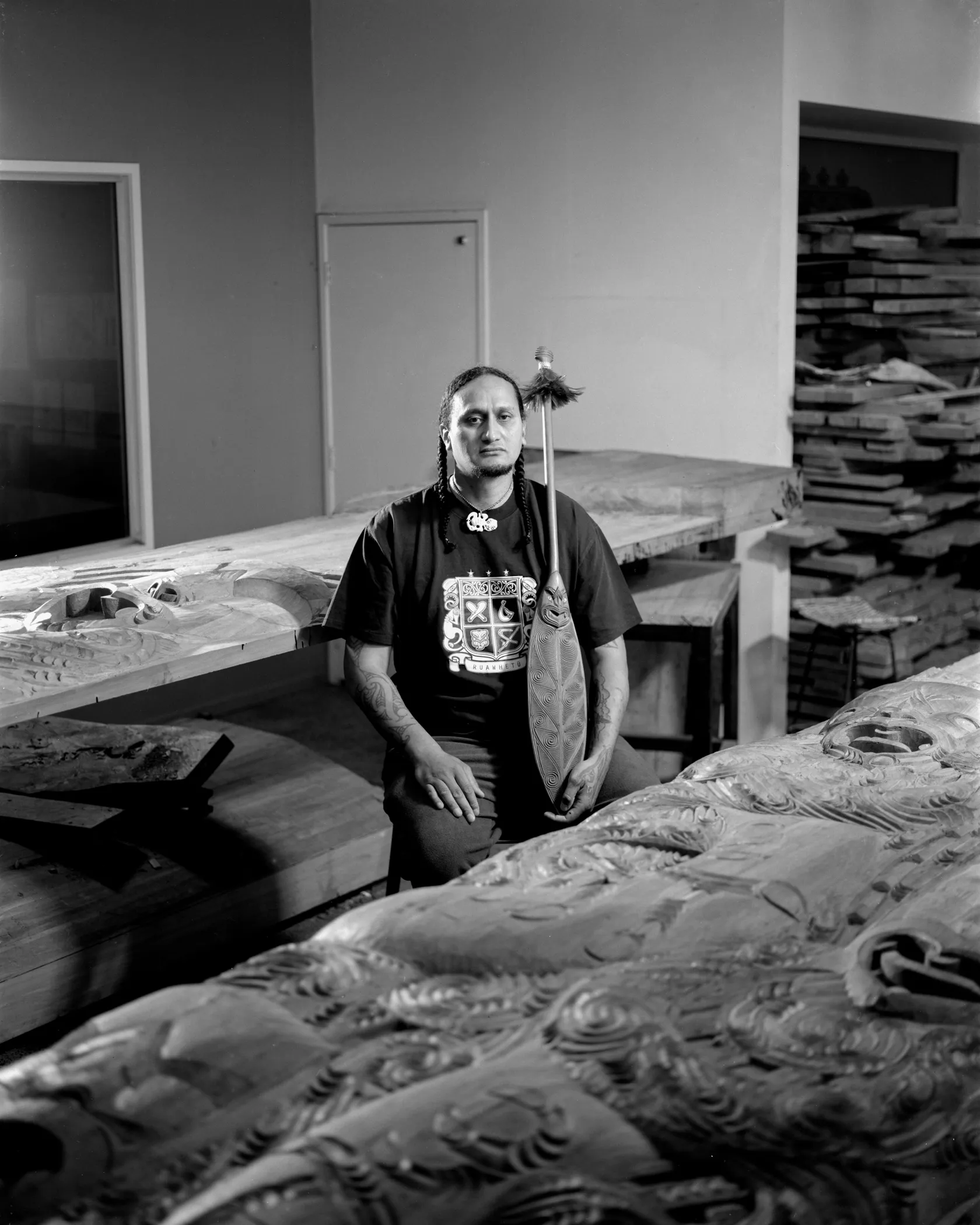
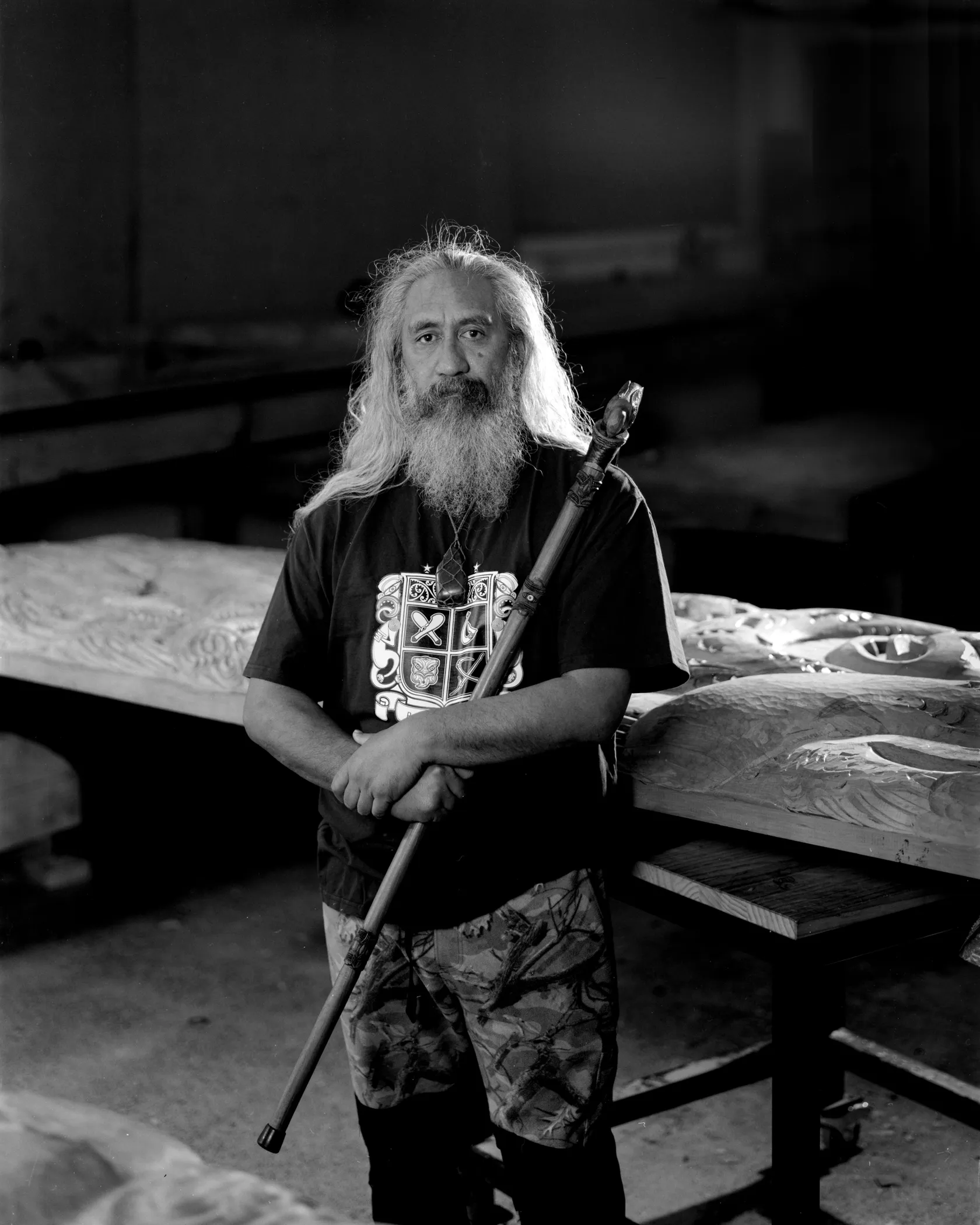
Ruawhetū rises to this responsibility with clarity and care. We are guided by whakapapa, accountable to mana tuku iho, and shaped in partnership with iwi and hapū. Our purpose is not to preserve mahi toi in static form, but to strengthen the conditions in which it can live, grow, and adapt.
This is our responsibility,
this is who we are.
Ko Ruawhetū.