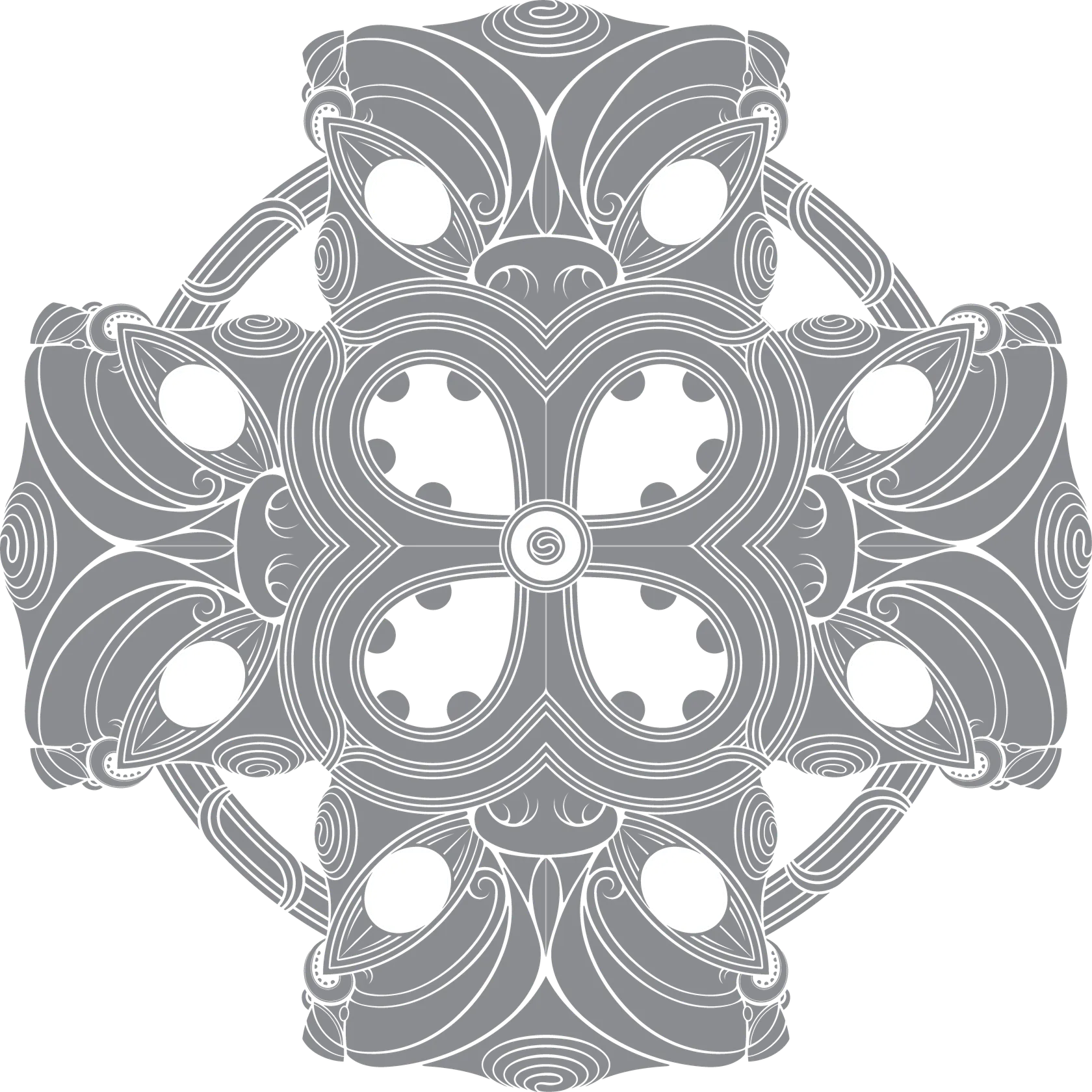
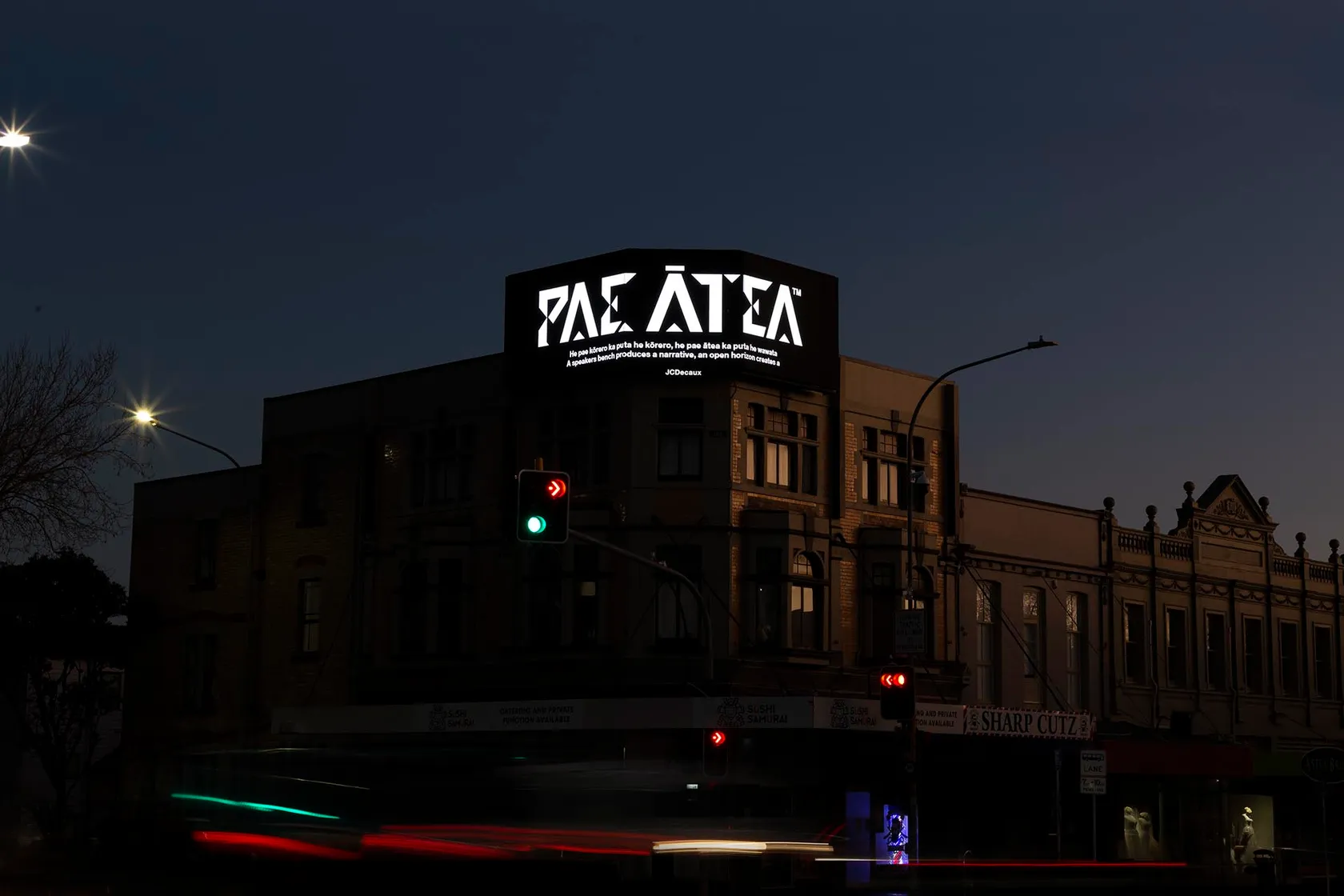
Pae Ātea was a public gallery designed and led by Haumi in partnership with JCDecaux between 2022 and 2024. It used digital billboards to present a curated programme of ideas and thoughts, to engage, challenge, and build a strengthened sense of individual and collective identity. Pae Ātea encouraged moments of pause and contemplation, produced through social histories, creative expression, and commentary. The result was an invitation for all of Aotearoa to reconsider connection to people and place.
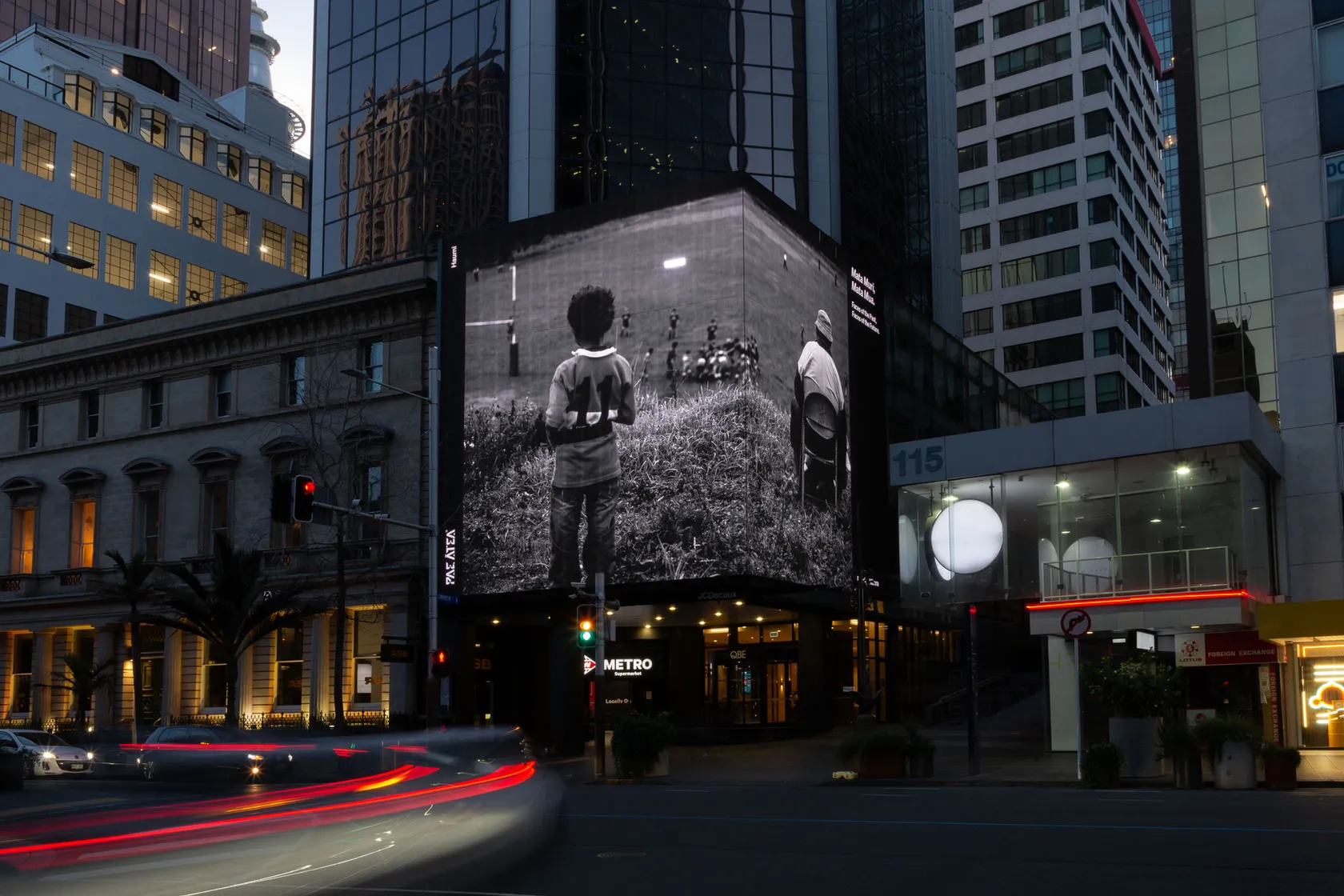
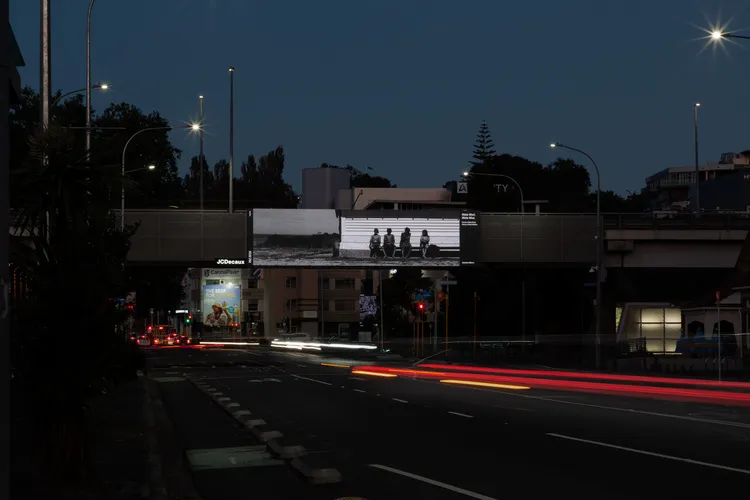
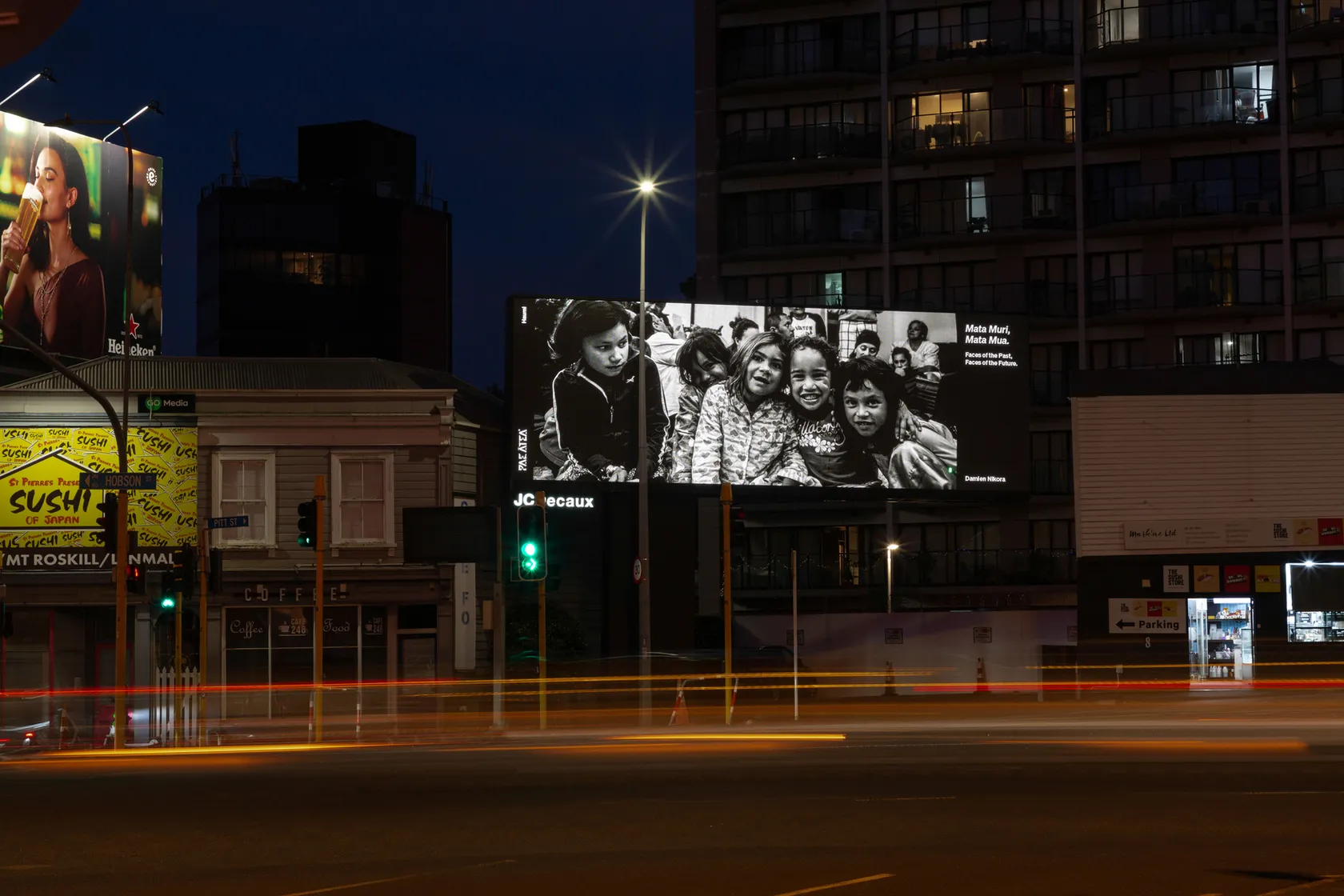
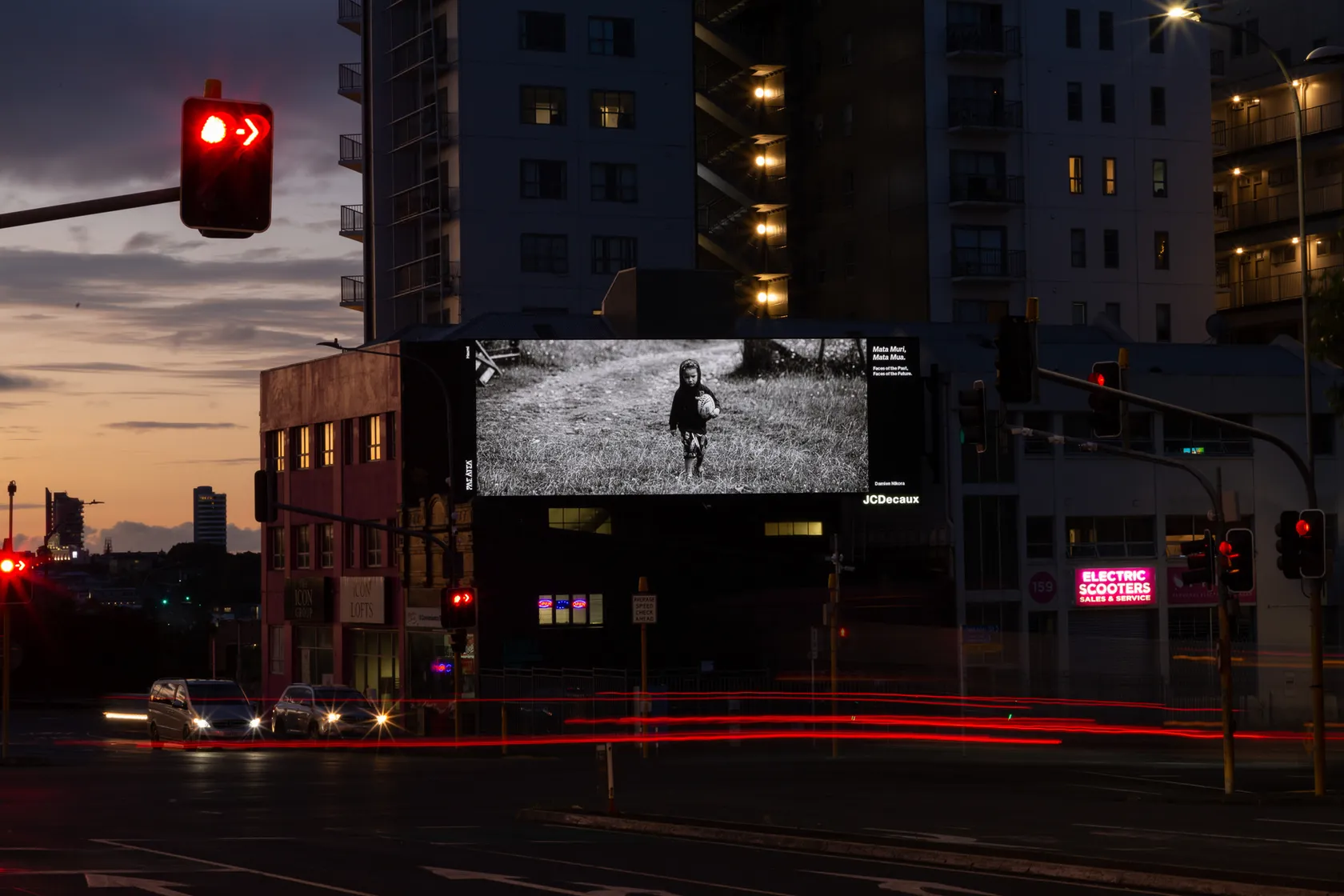
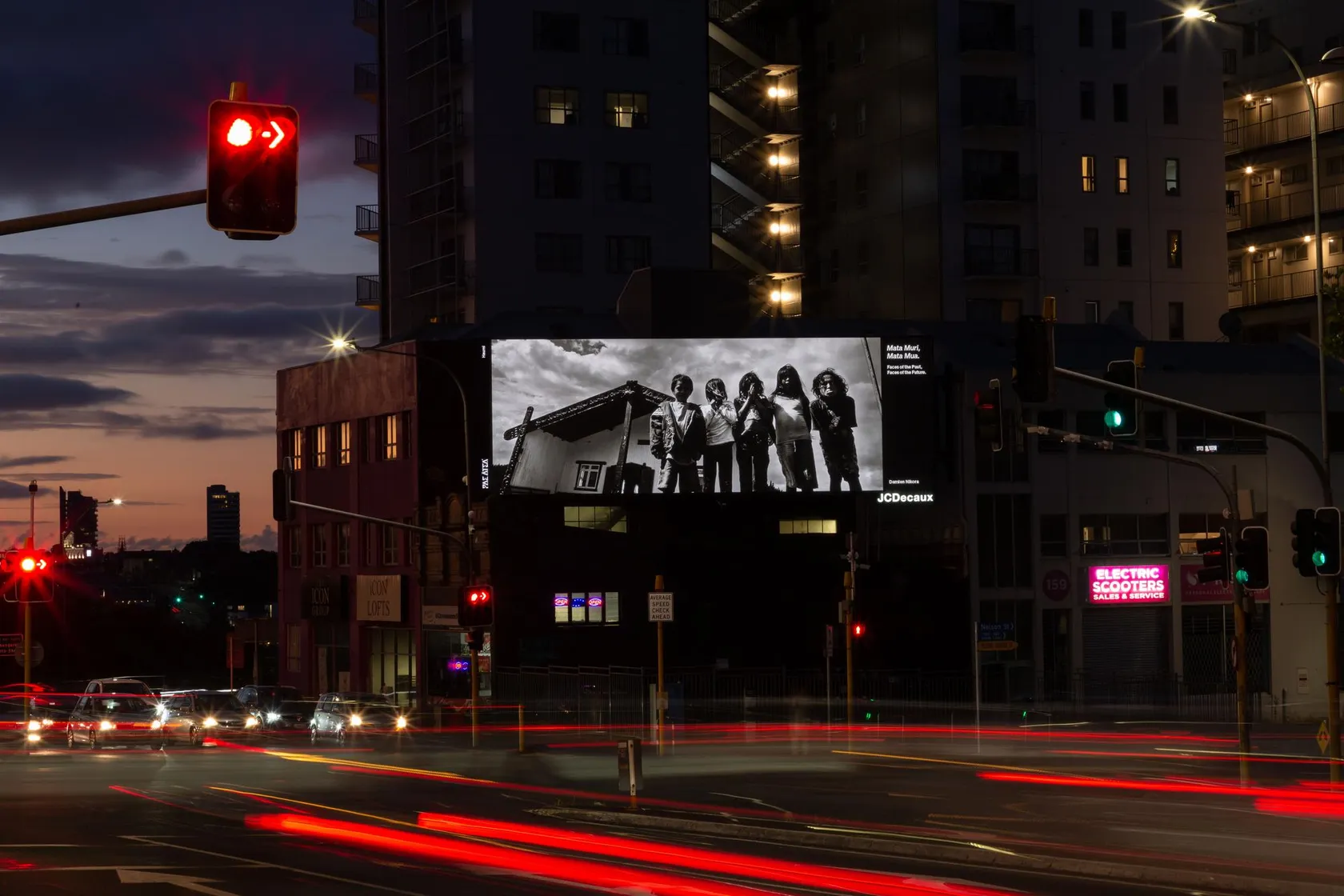
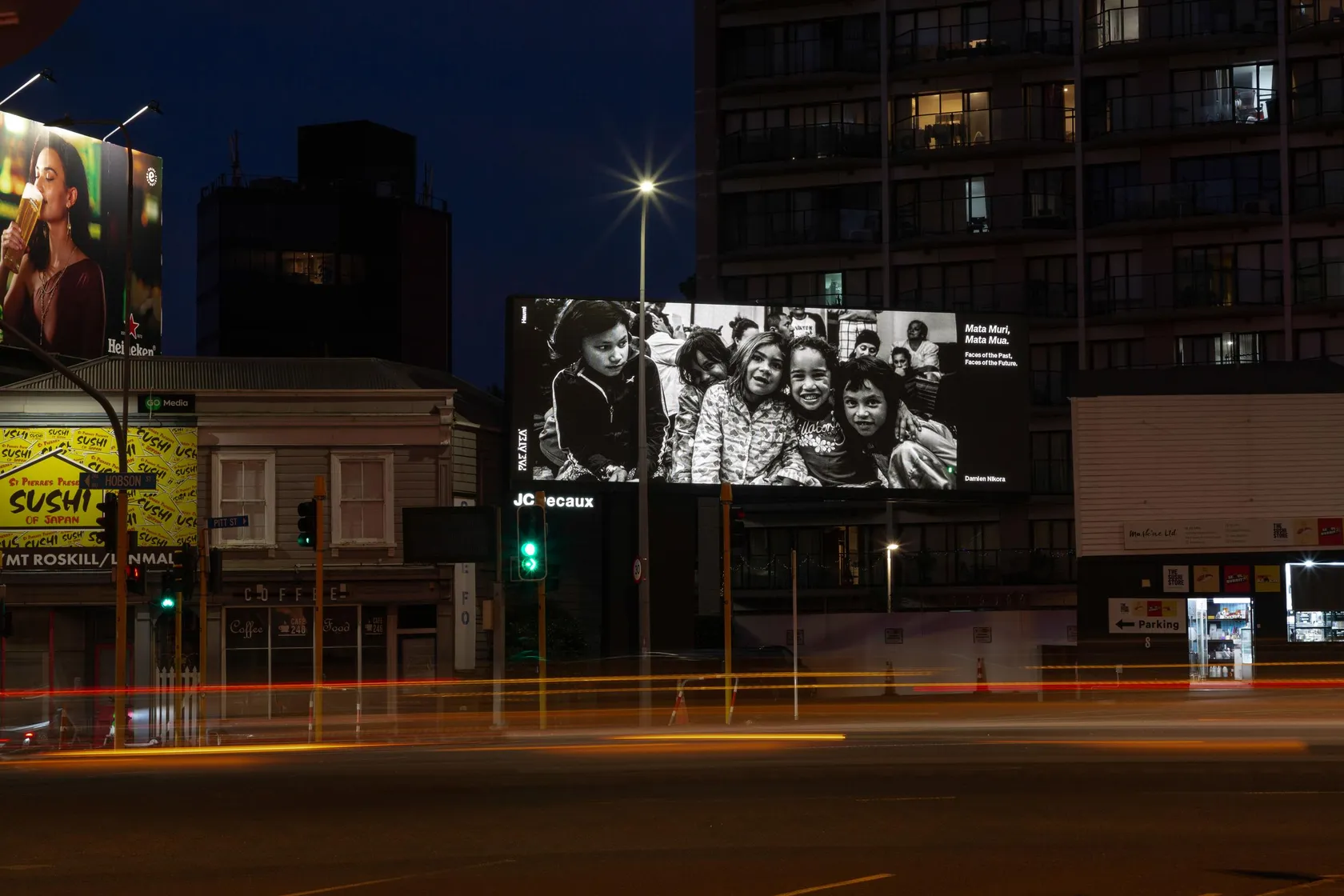
This Pae Ātea series by Damien Nikora speaks to the timelessness of our rangatahi. Titled Mata Muri, Mata Mua (Faces of the Past, Faces of the Future), each image stimulates a deep sense of nostalgia and projects an authenticity that is reinforced by freedom and the ever-present and unparalleled sense of hope.
Damien’s series captures moments in time and gives an insight into a world of innocence and seamless connection. The images transport us into a place of consideration and provoke personal reflection – to both reimagine our potential and question what really matters.
Damien Nikora is an accomplished photographer and videographer who is particularly known for his striking fashion editorial and commercial campaigns, alongside his more intimate portraiture and documentary work. He has worked both nationally and internationally and draws on his diverse lived experience growing up in Aotearoa. A current passion of Damien’s is looking at new opportunities from an ethical and sustainable viewpoint. Ultimately, for him, this is about making a difference to people and the environment.
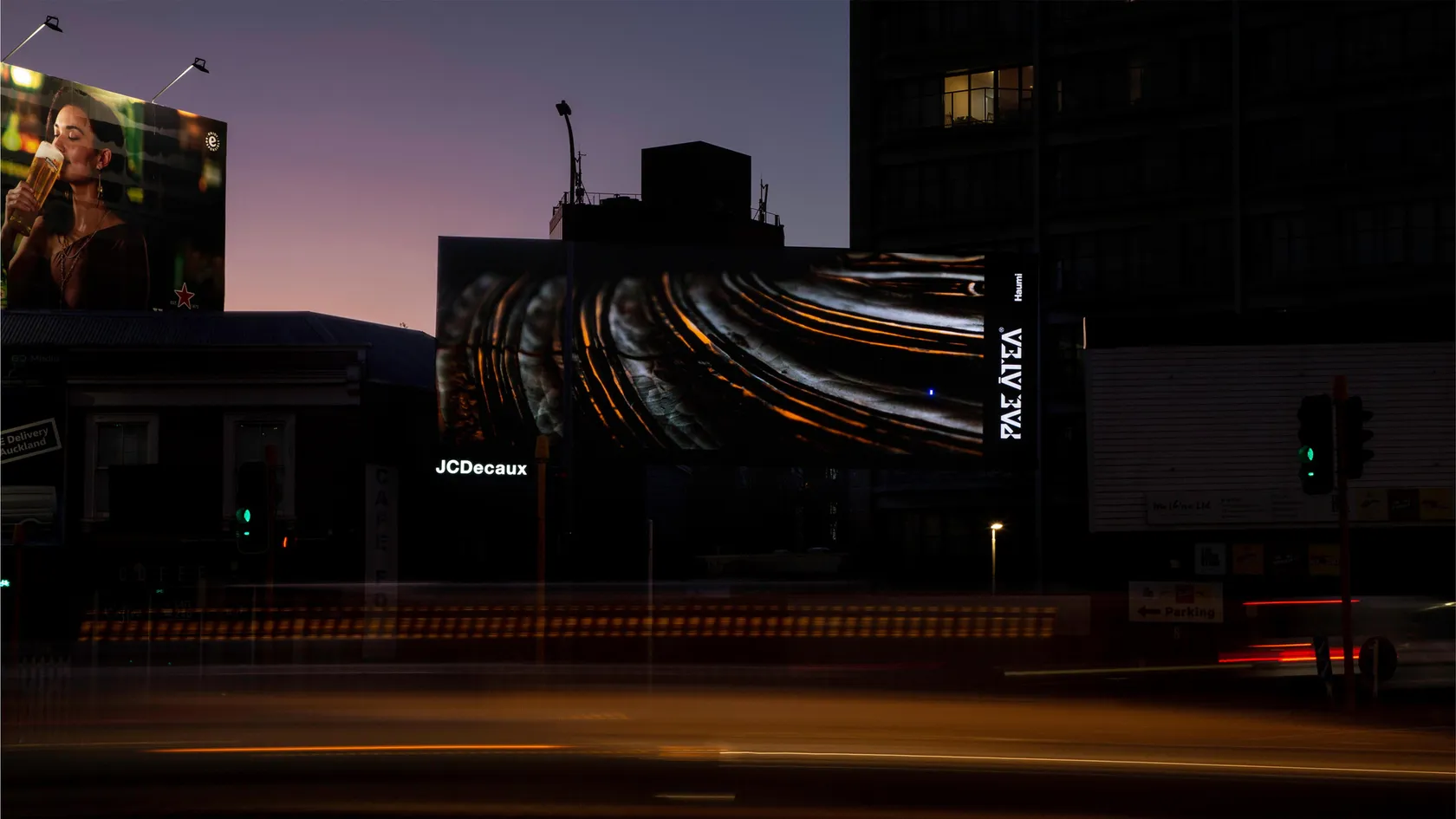
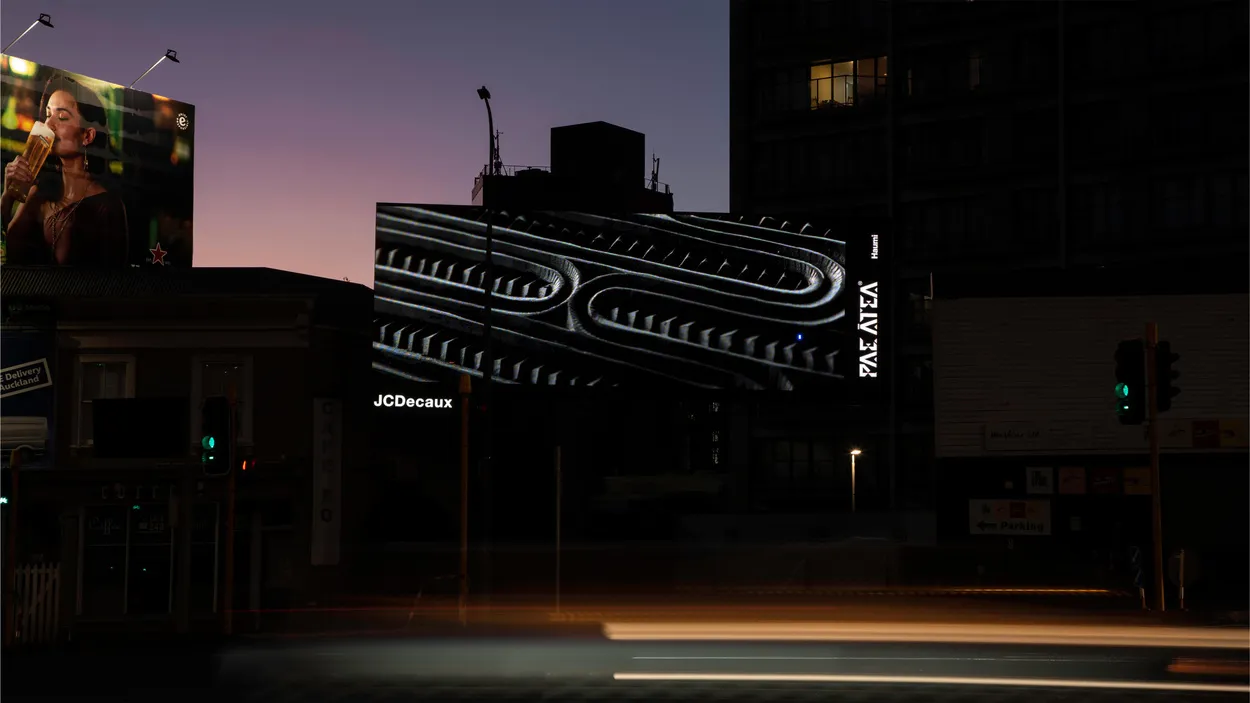
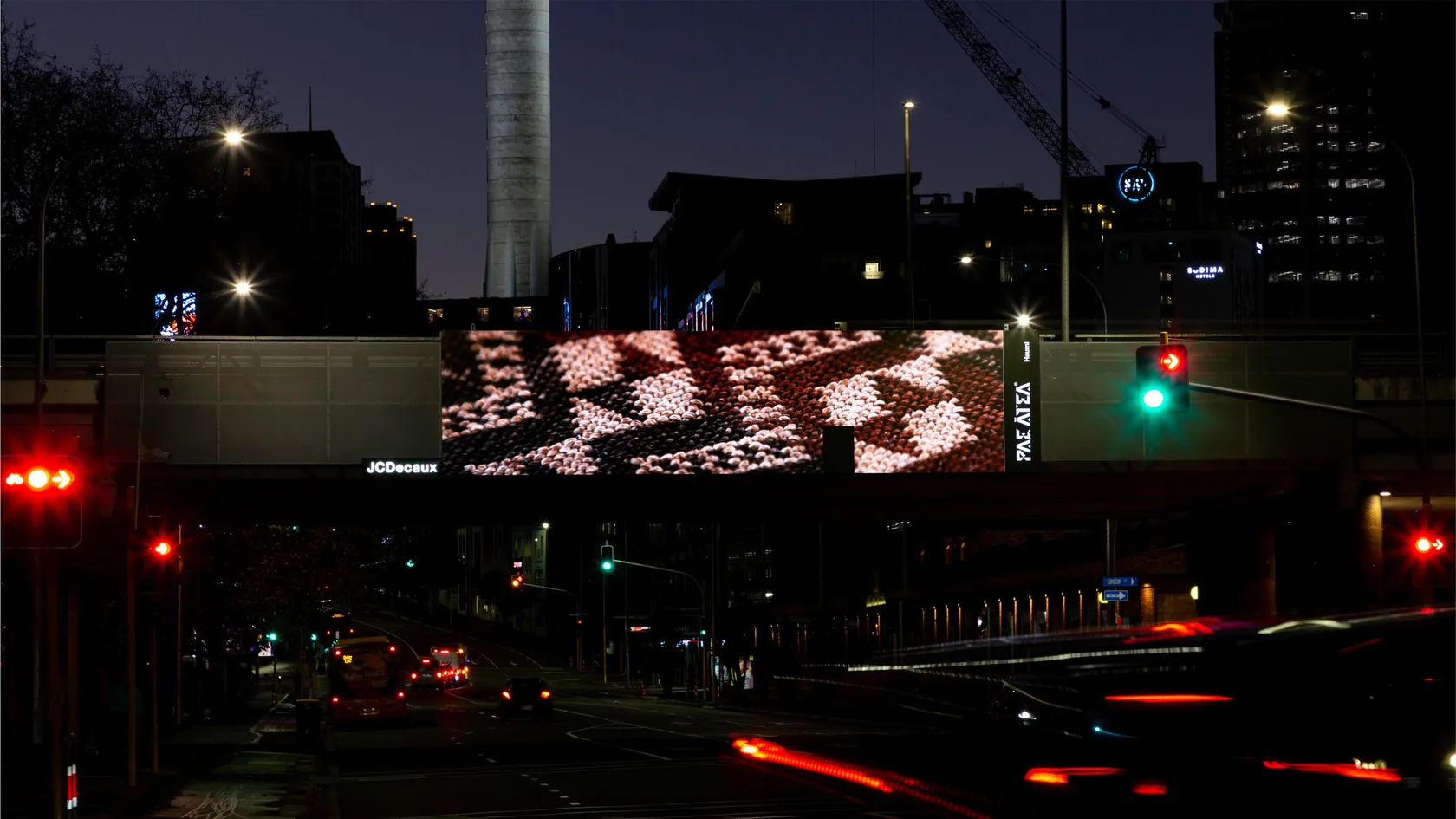
The taiao (natural world) is shaped by interconnected, cyclical movements – of the sun, of planets and stars, of the cardinal characteristics of the winds, and the phenomena of the hydrological cycle that binds earth and sky. These elemental rhythms influence our daily lives, forming patterns, and generating dynamic colour, tone, and textures. The inherent algorithms ignite our senses and spark memories.
This is the language of the taiao, and we are inextricably bound to its communication. But maintaining our ability to converse with the taiao is continually being challenged by the parameters of modern life, including the expanding geometries and massing of our urban spaces. In trying to master our environment, we are suppressing its voice.
But our material culture and creative processes continue to reaffirm this connection. Each cut, weave, or stroke is built on the immutable influence of nature. Whether in the geometries, the natural characteristics, or through the process of making, our mahi toi (arts) continue to uphold this intimate interaction and channel its messages.
Through our arts, we elevate the presence of the taiao in our everyday lives, and we acknowledge its importance to our wellbeing. It is an uninterrupted conversation, generated by the comfort of our inextricability with nature.
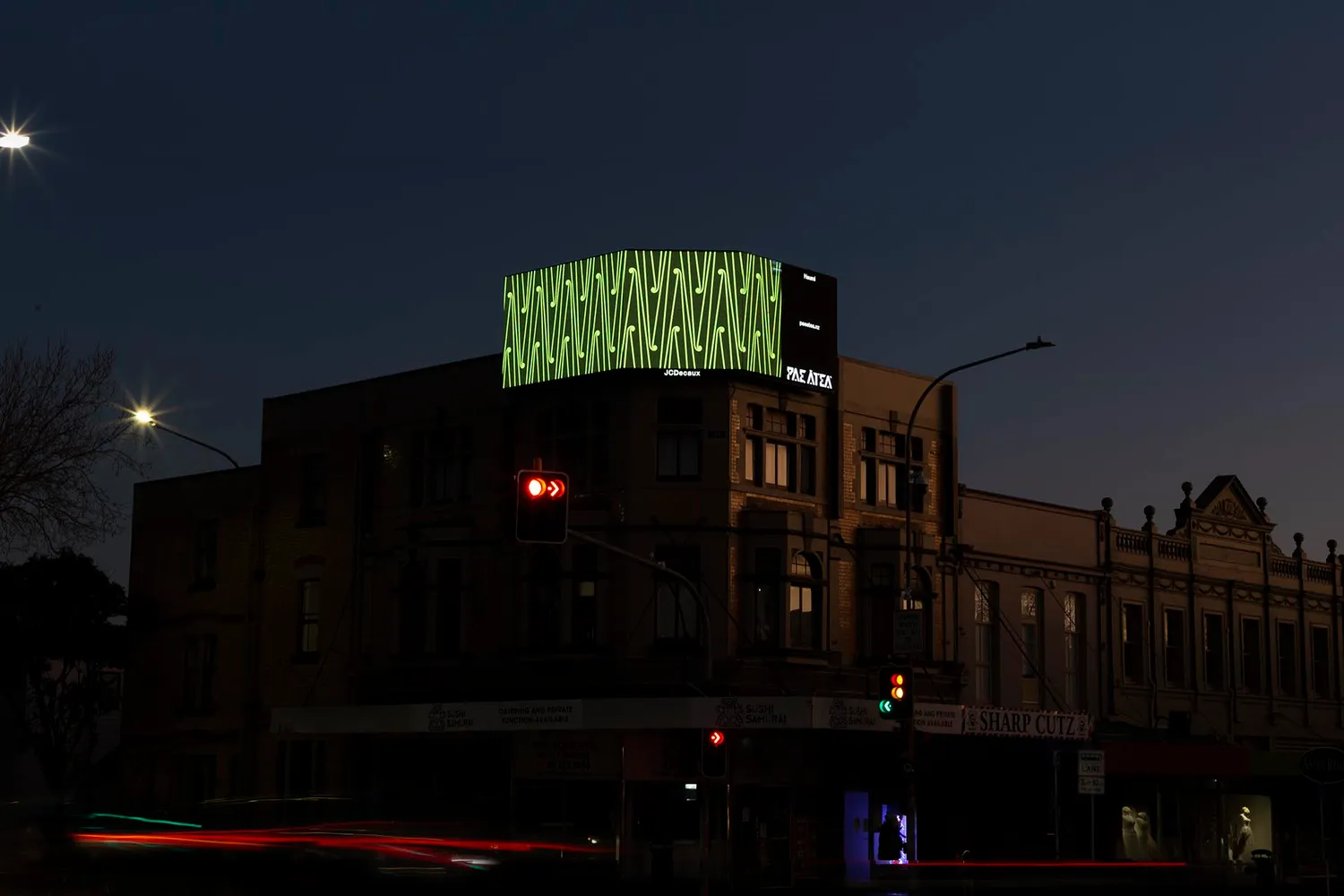
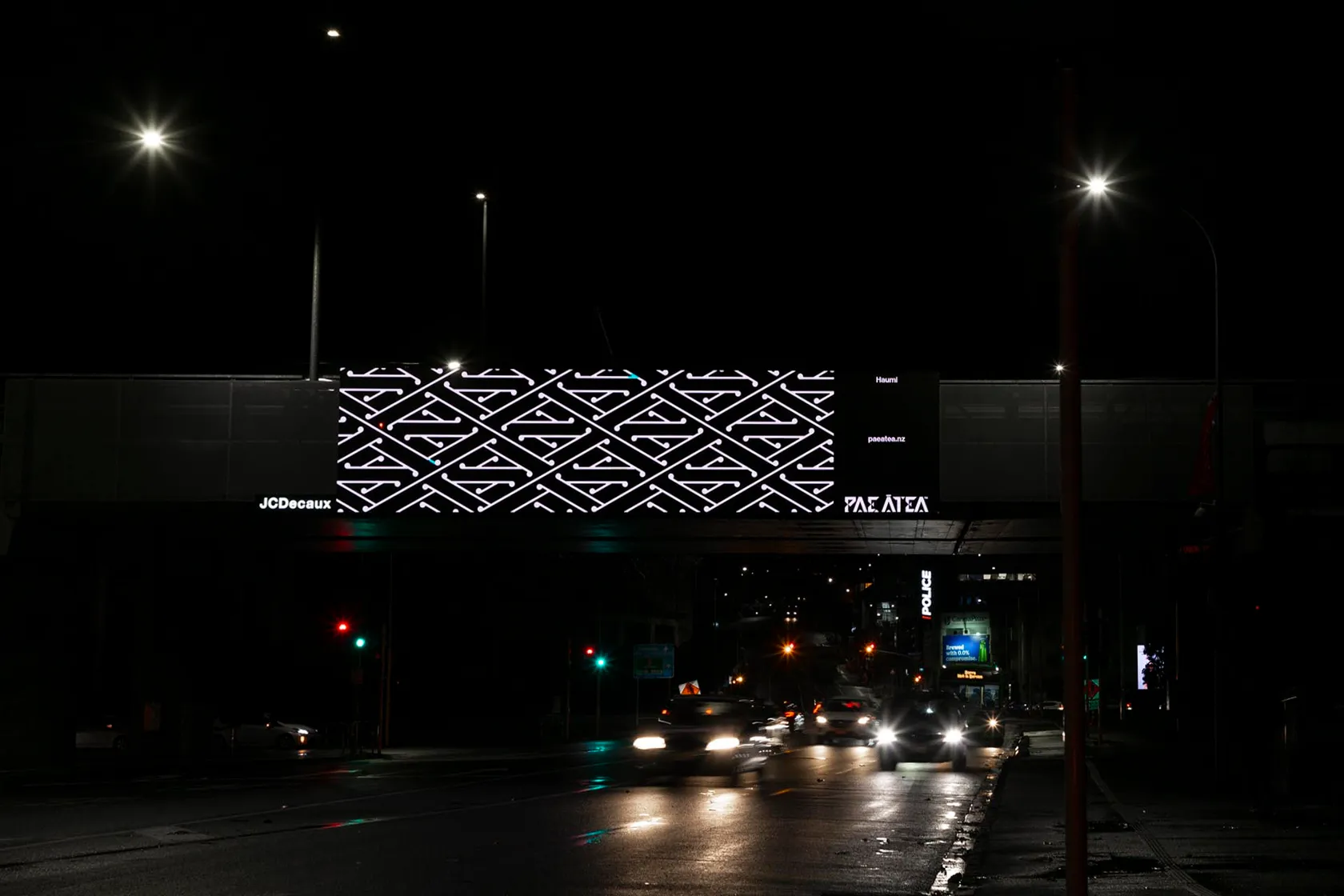
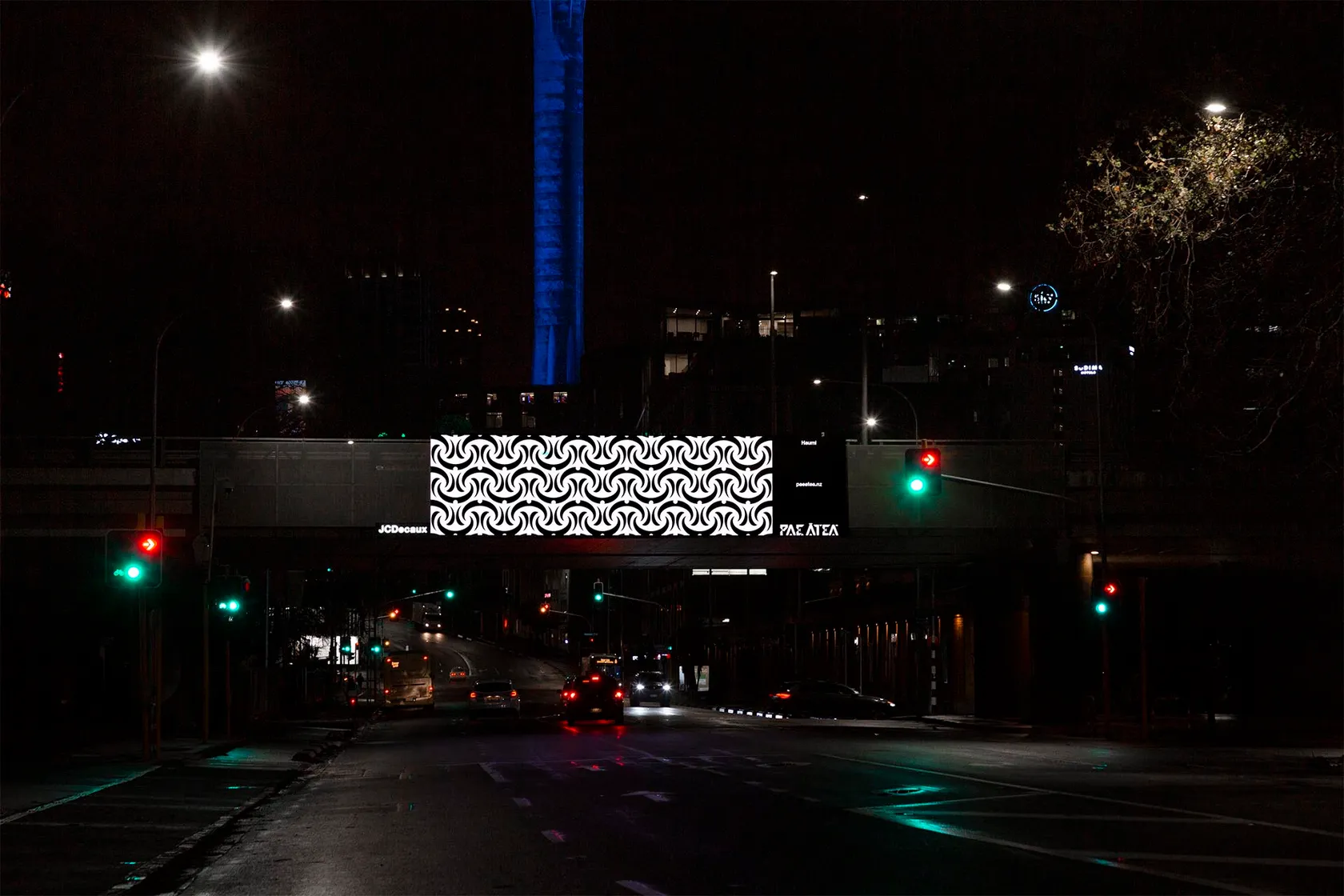
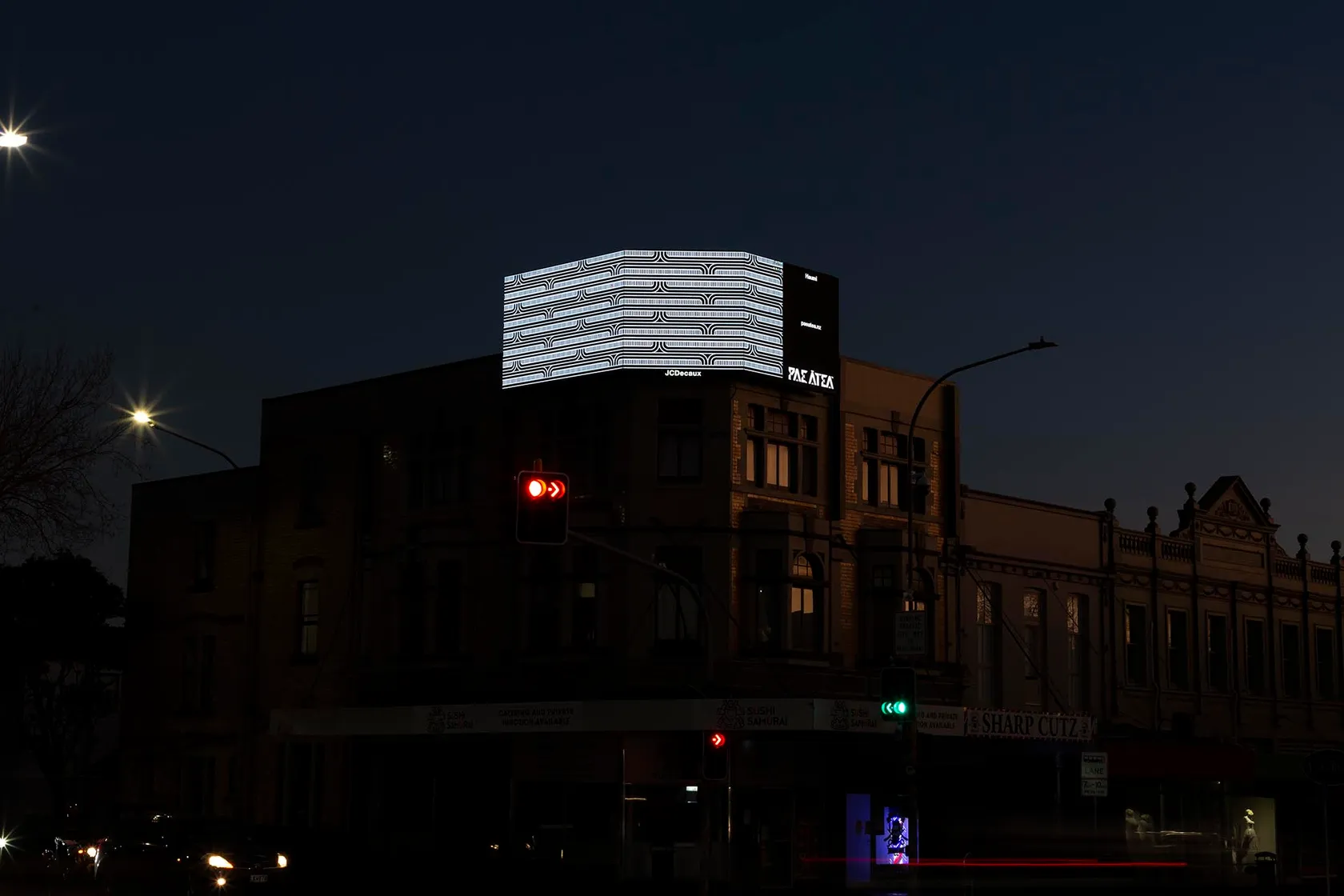
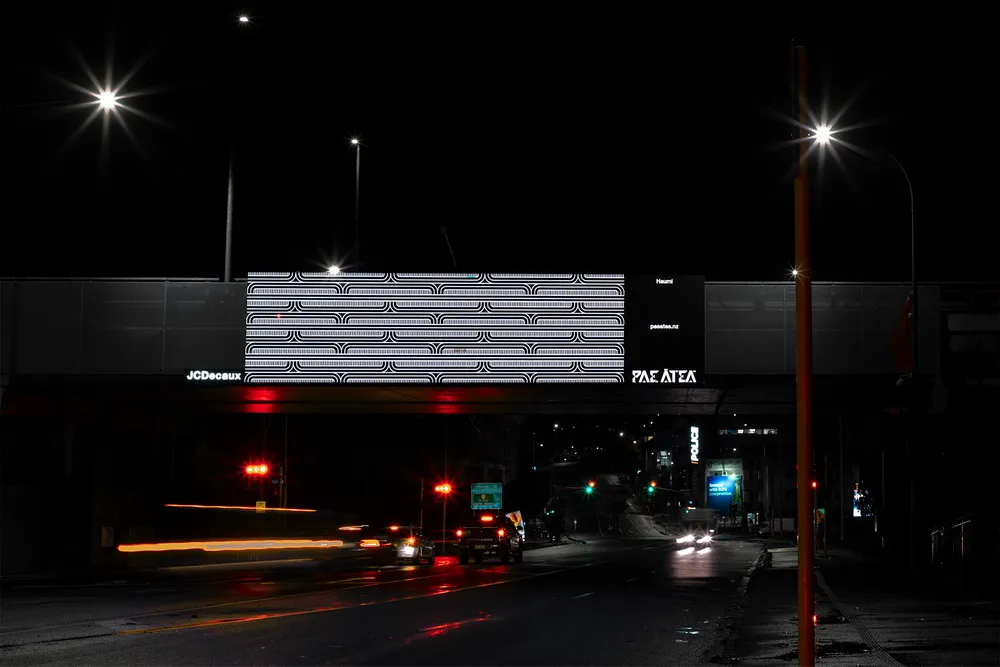
Tuku Toi captures and shares the exchange between nature and human interpretation. Each pattern represented reflects the movements, geometries, and rhythms that surround our daily lives. The wind, water and our varied flora are just a few of the environmental indicators that have inspired and informed our artwork through time and help us to rationalise and maintain an inextricable connection to the world around us.
Whether in whakairo, tukutuku, raranga, or kōwhaiwhai, each design augments the forms it embellishes and is a vital piece in the construction and representation of people, events, and learning.
Tuku Toi features varied approaches to a series of designs in a deliberate move to embellish the urban landscape and remind us all of the power of nature and the beauty of form and colour. These tuku are gentle and yet energetic, unique but familiar.

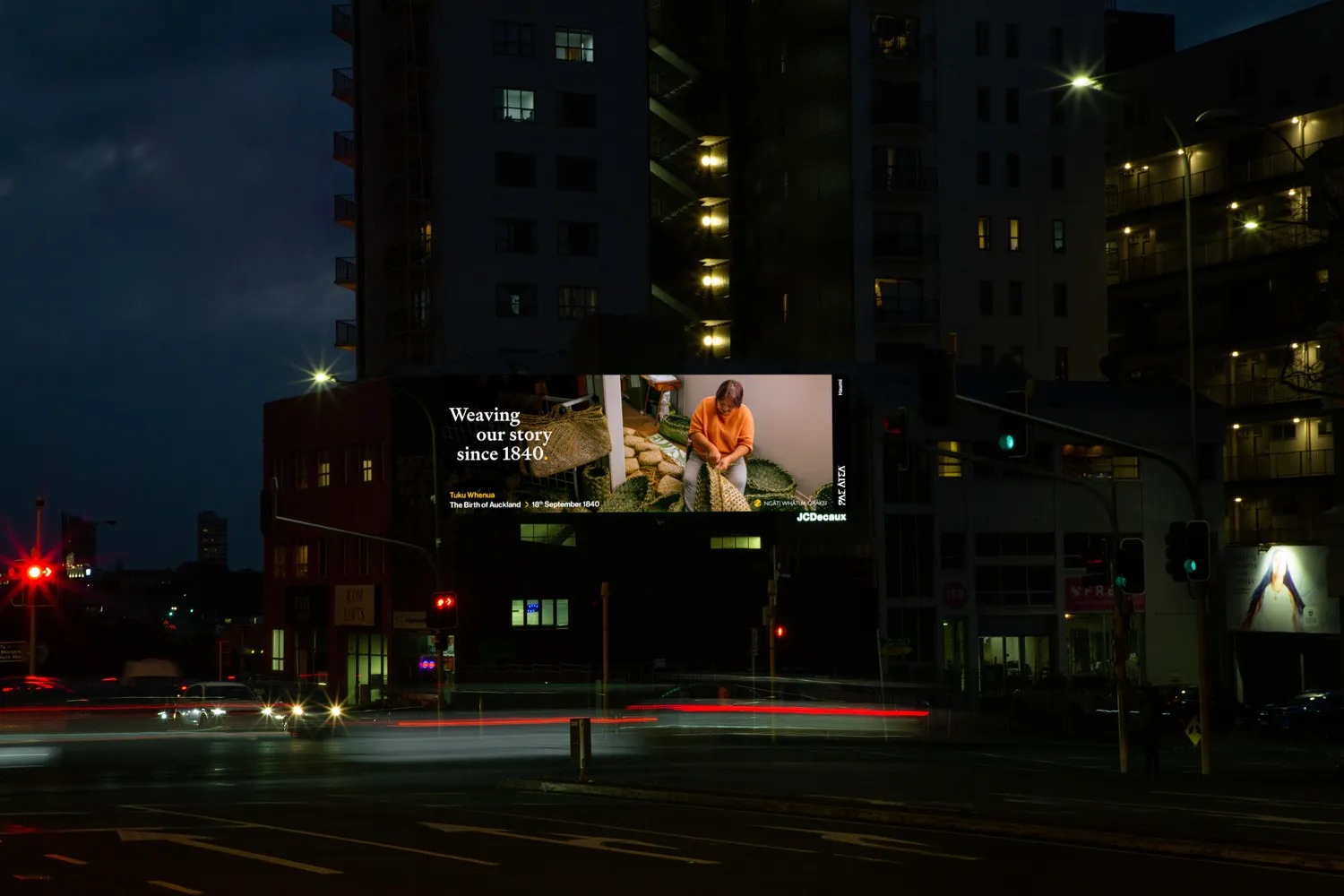
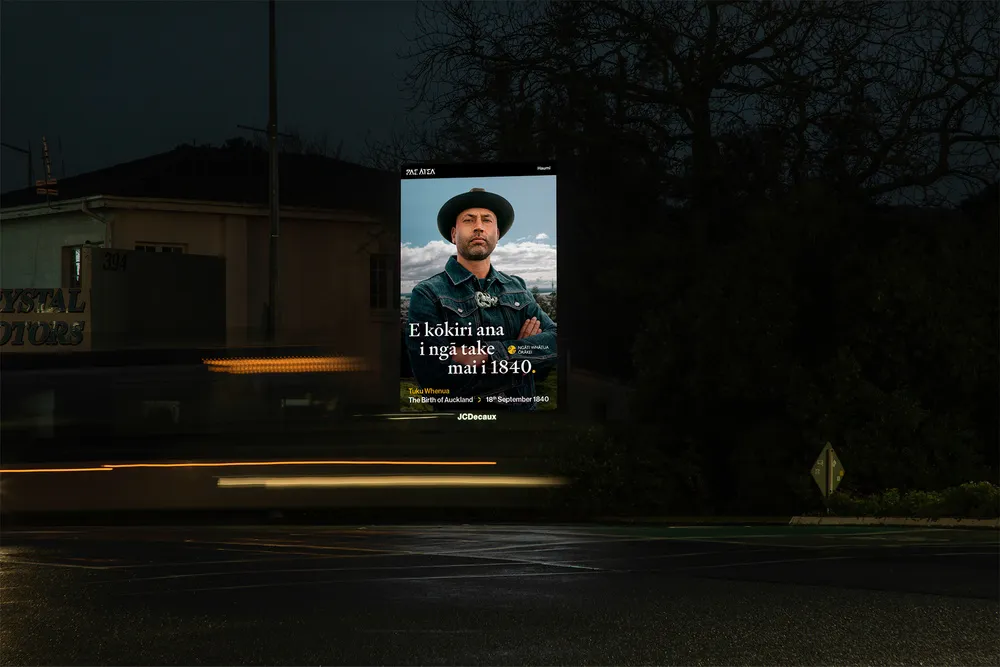
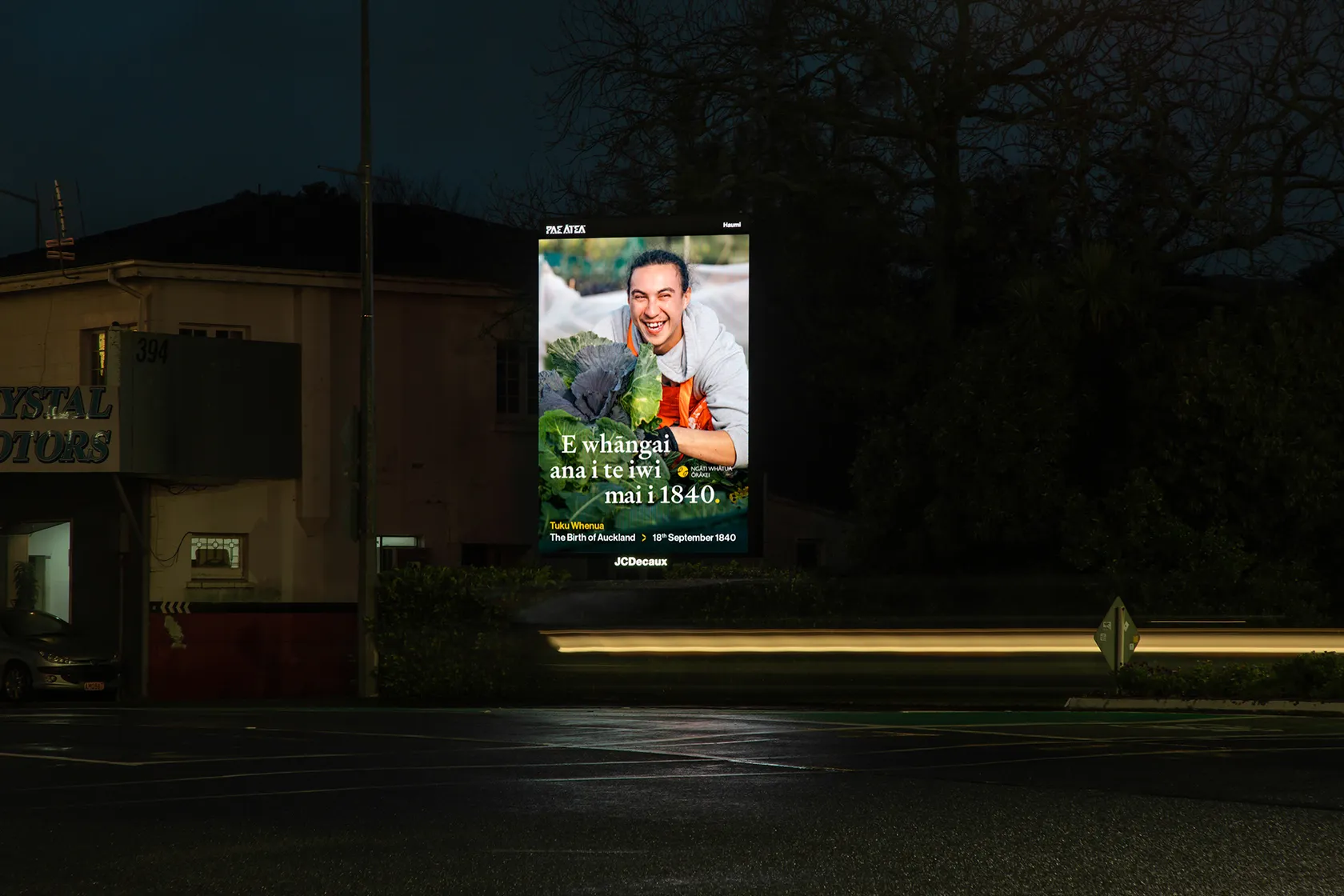
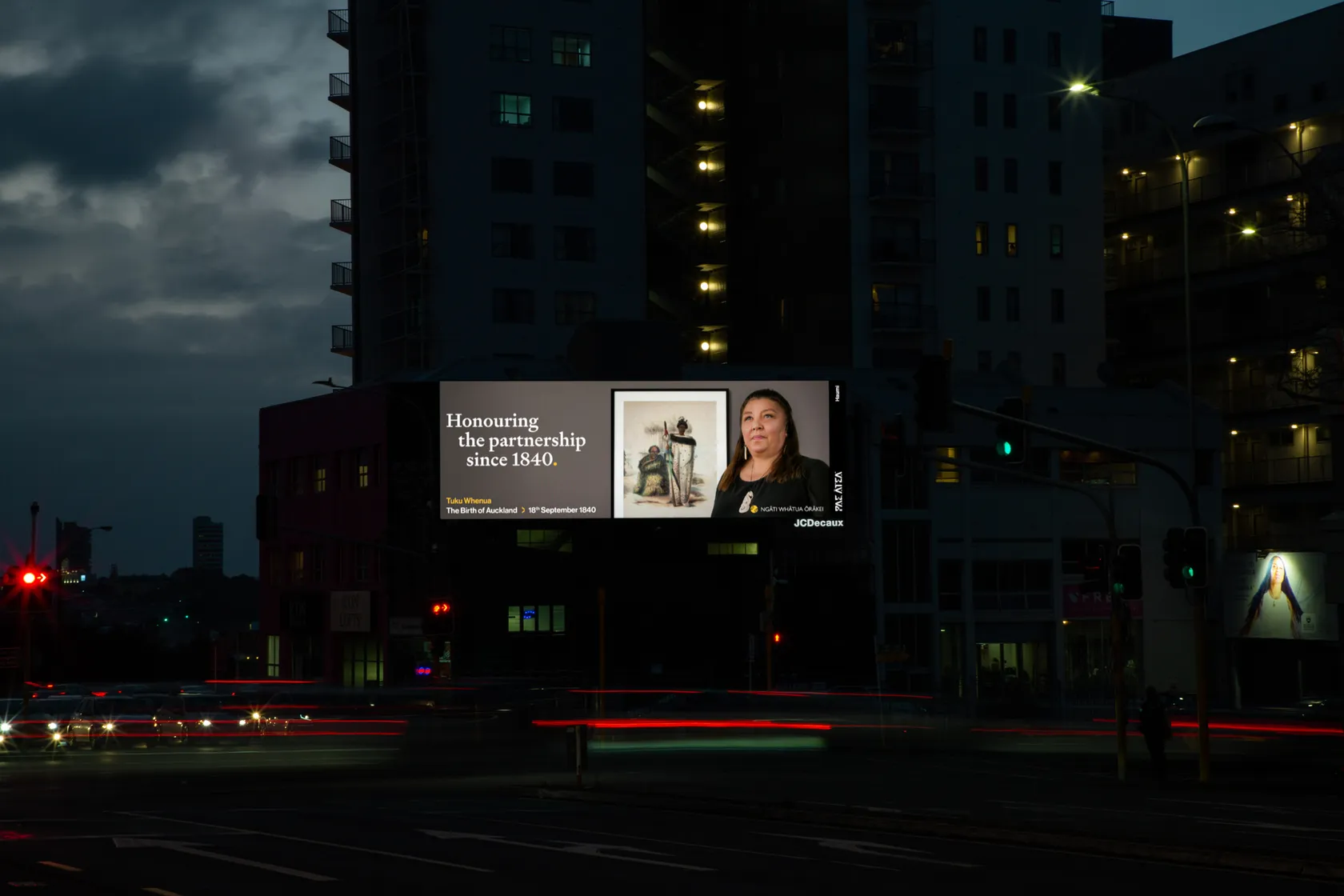
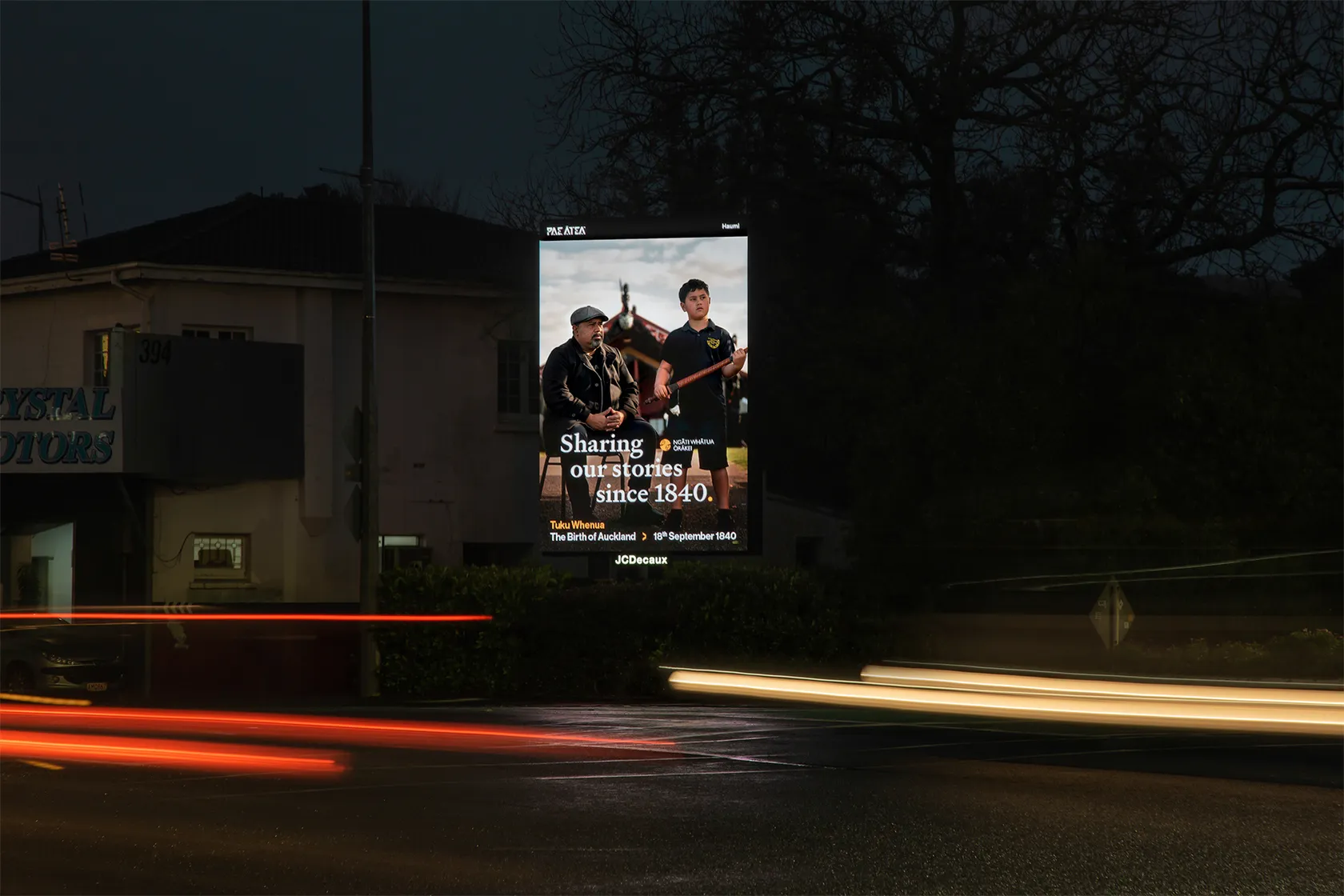
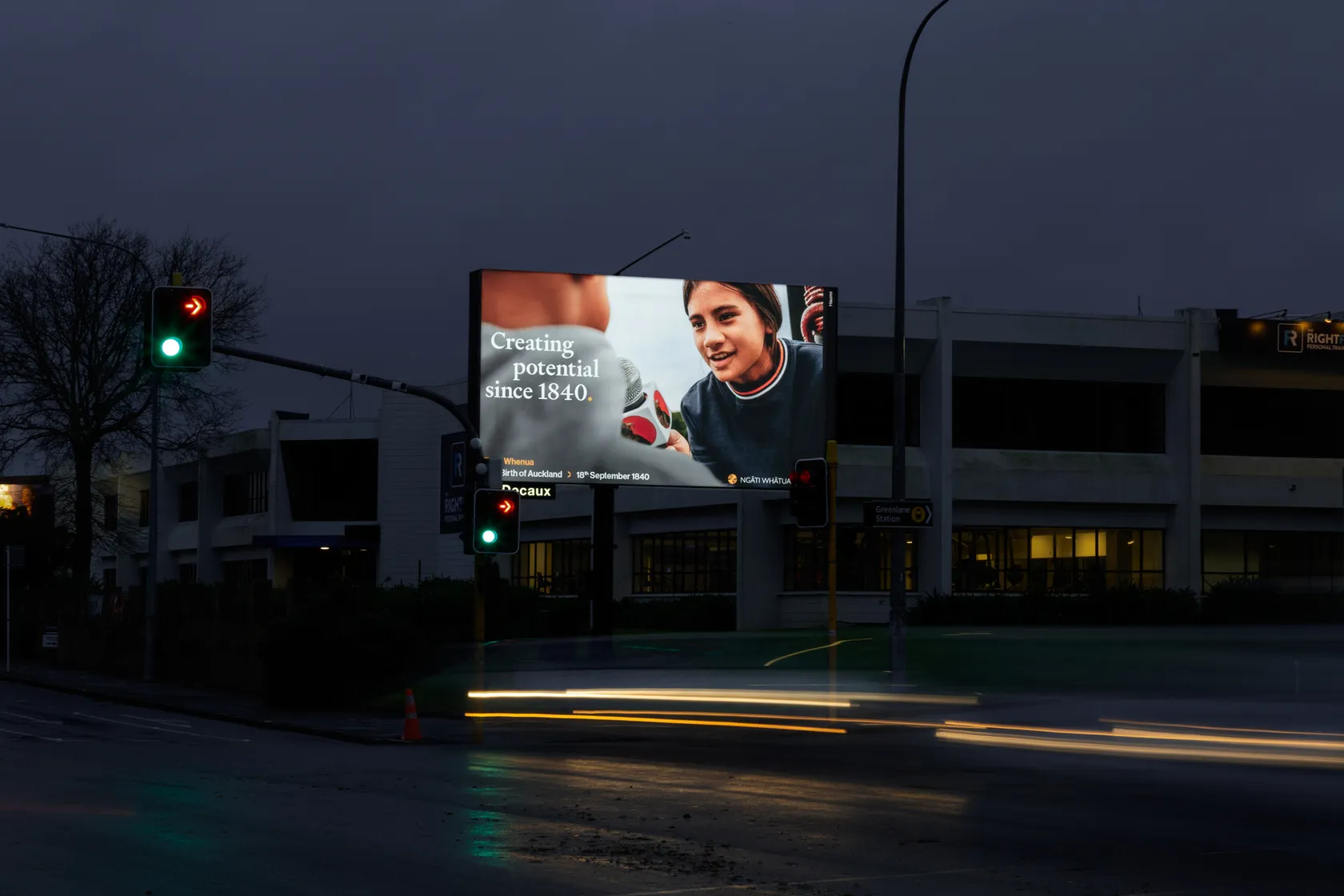
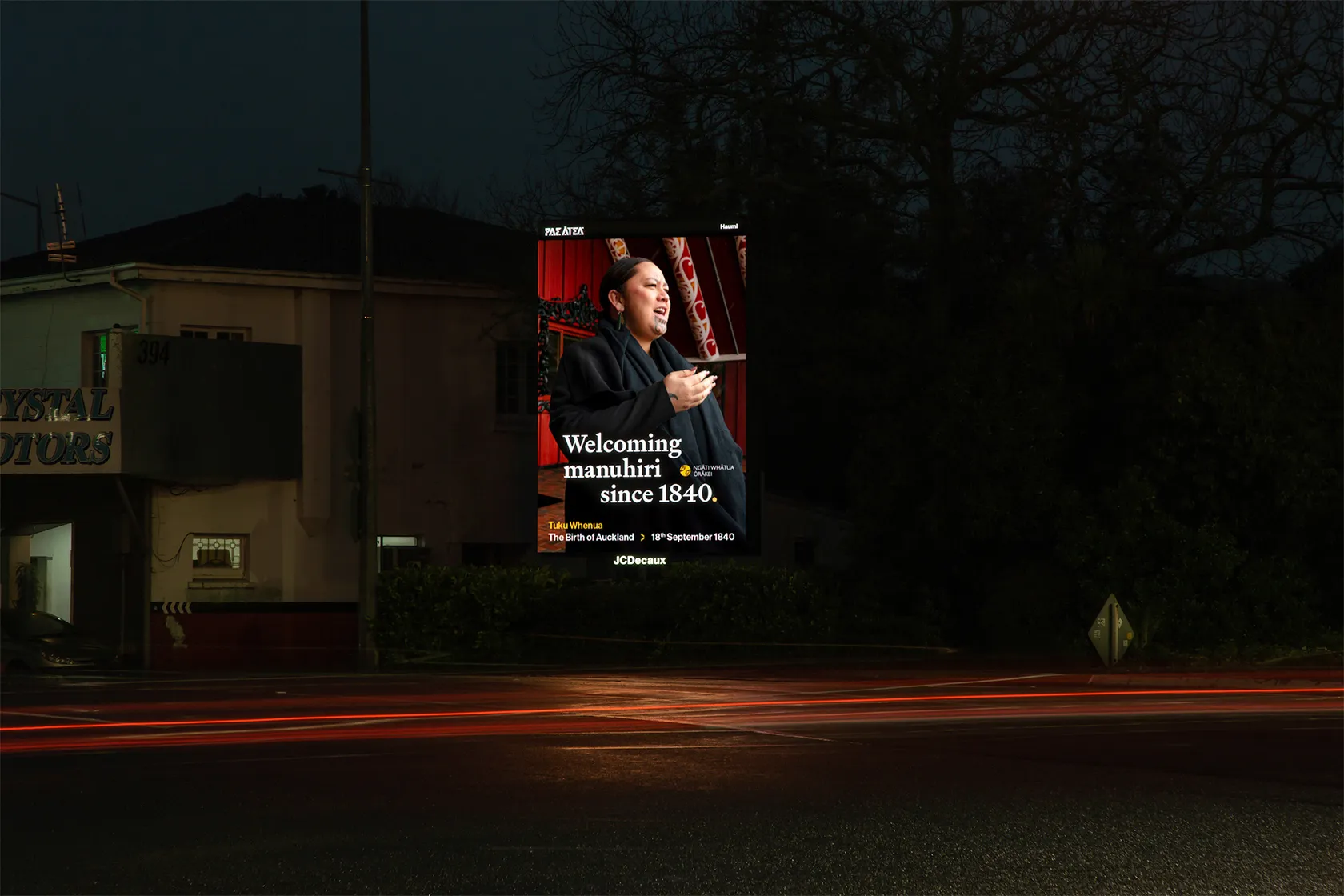
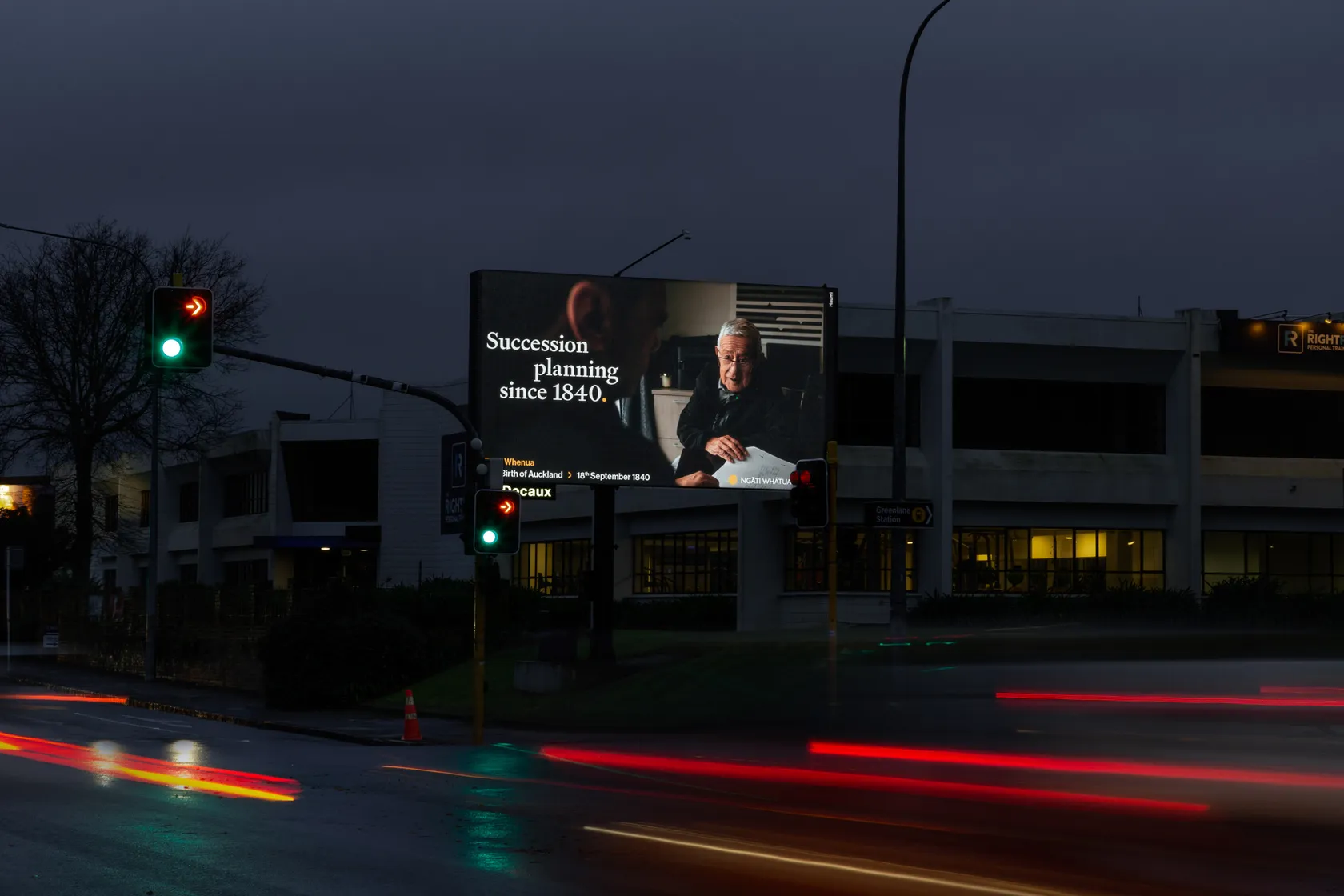
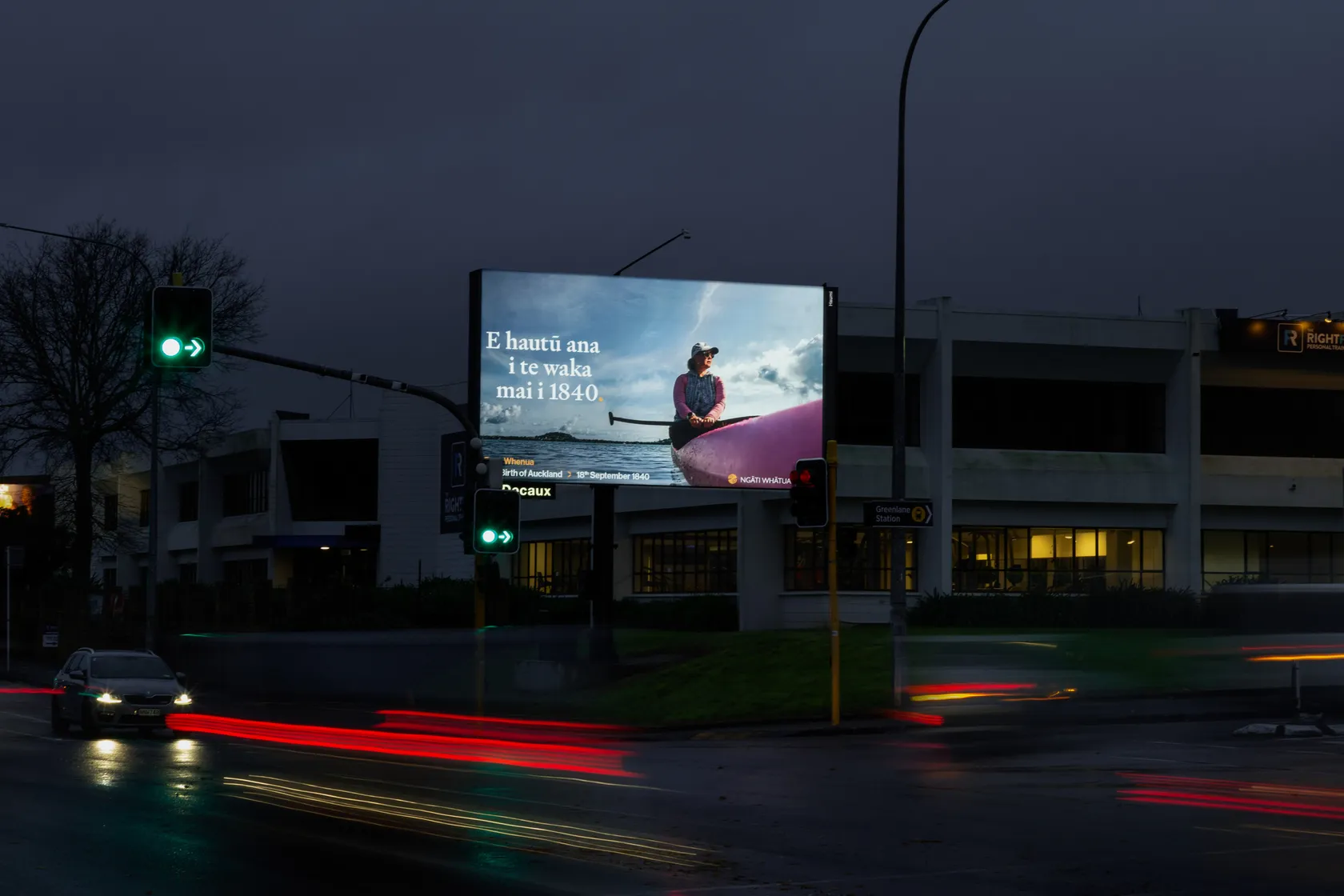
In 1840 at a major hui near Ōkahu Bay, a group of Ngāti Whātua leaders were brought together by the paramount chief Apihai Te Kawau to discuss the future of the iwi. During the meeting, a matakite (seer) known as Tītahi received a vision that a time of exchange was fast approaching. This vision became the catalyst for a series of events that would establish a passage of transformative change for Ngāti Whātua and Tāmaki.
Following the hui, Apihai invited Governor Hobson to move his Government to the shores of the Waitematā. On 18 September 1840, Apihai formally allocated 3,000 acres of land to Governor Hobson, to establish a township for settlers and a new capital. The boundary formed a triangle from the summit of Maungawhau, reaching out to Taurarua Parnell in the east, and Ōpou in the north-west.
The invitation was premised on the notion of tuku whenua, a gifting of land for a designated purpose, with an undefined timeframe, but with the intention of eventual return. With great foresight, Apihai saw the tuku whenua as a powerful means to strengthen relationships and foster prosperity. It carried inherent responsibilities that connected Ngāti Whātua and the Crown in a binding partnership of mutual benefit, and obligation.
This is the untold story of Tāmaki, a universal story of connection, consideration, and integrity. It is our shared history, but it is ever-present, embedded in this land and its people. It is a story of manaakitanga in its many forms: ‘mana-a-ki’ (the power of language), ‘mana-aki-aki’ (the integrity of conviction), and ‘mana-ki-te-tangata’ (a selfless care for people).
Together we celebrate the origins of our nation’s largest city, and the enduring legacy of manaakitanga that is sustained by the uri (descendants) of Tuperiri (grandfather of Apihai).
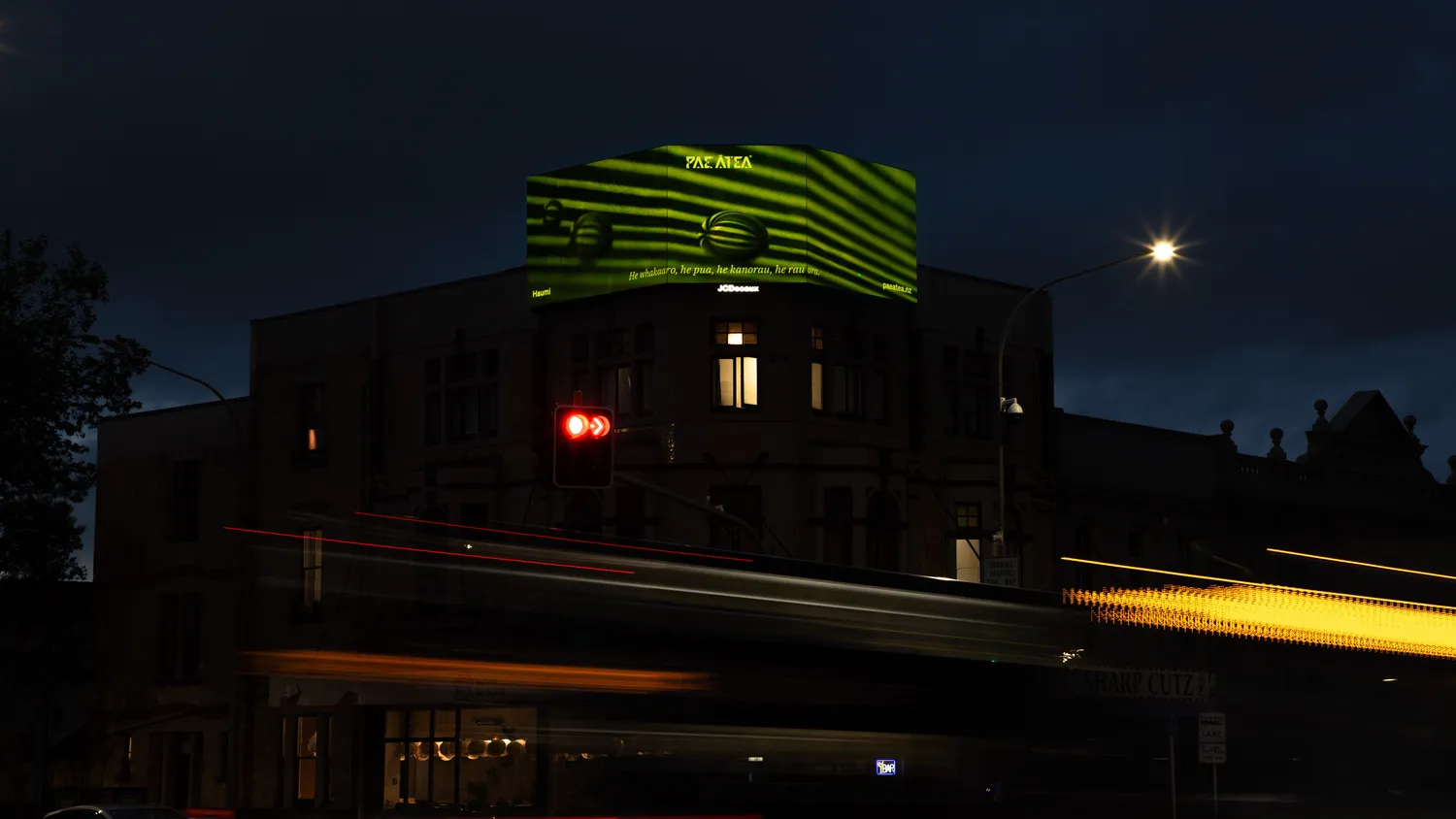
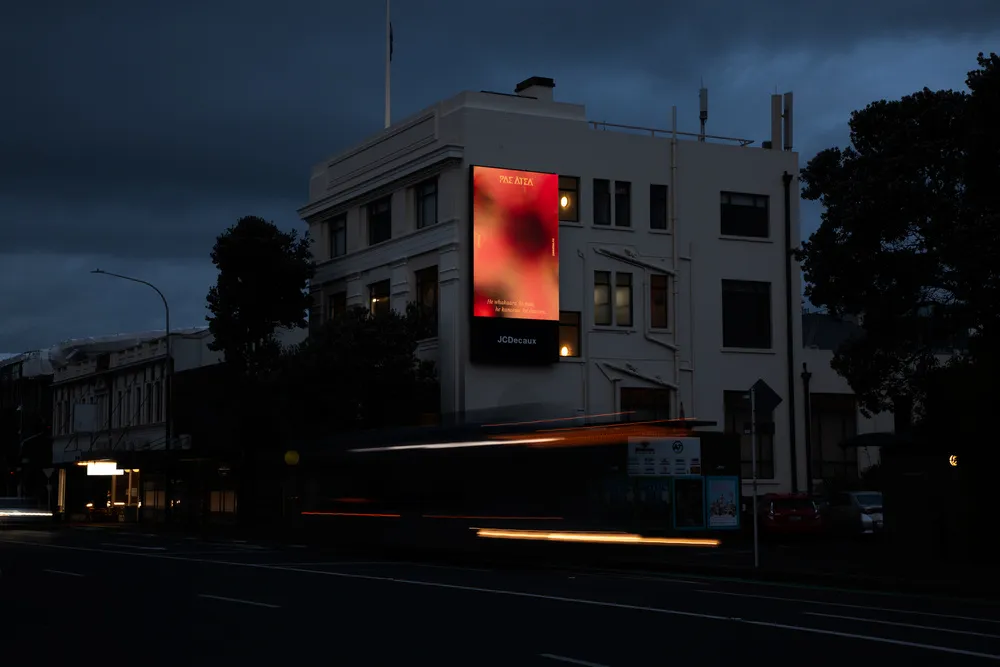
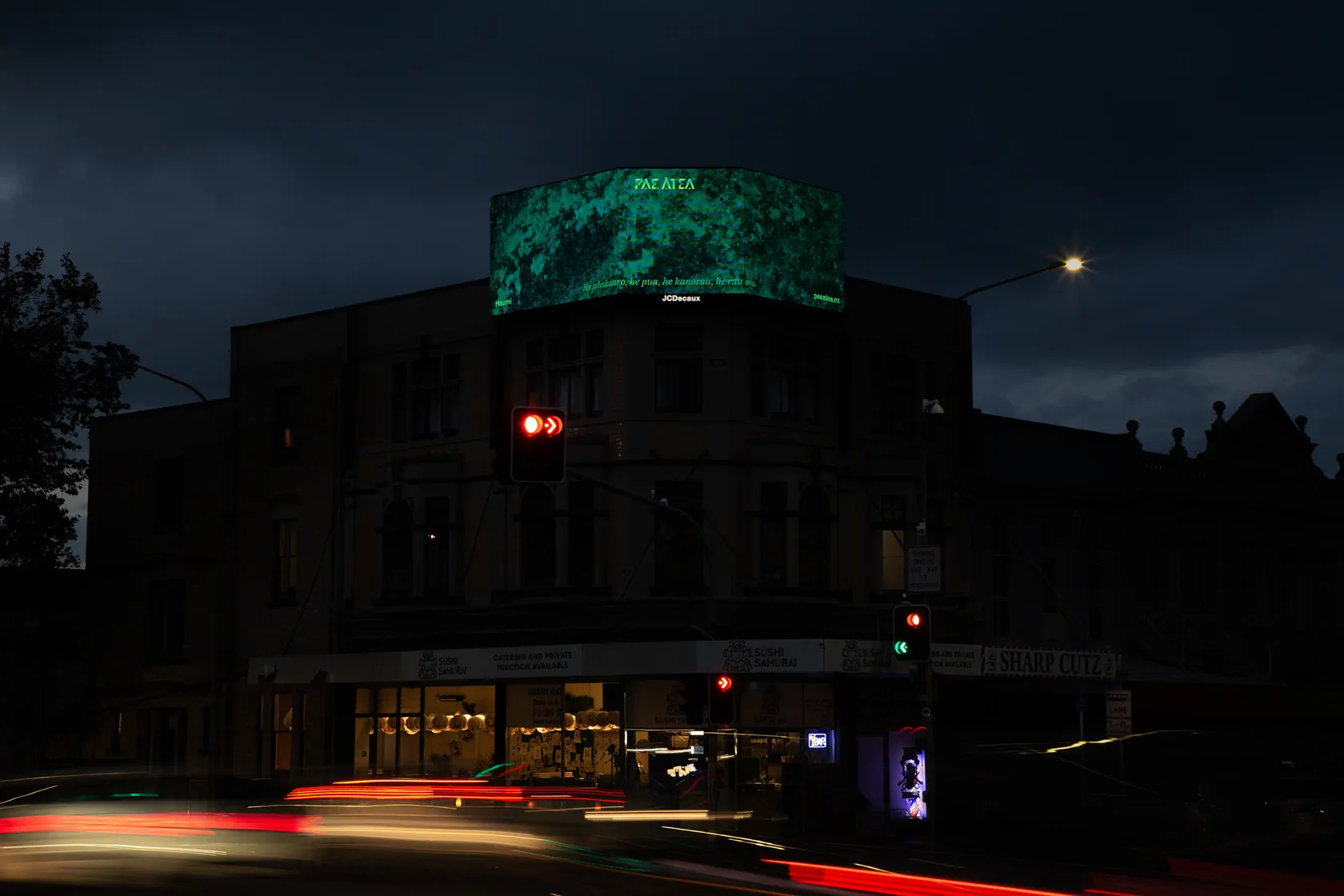
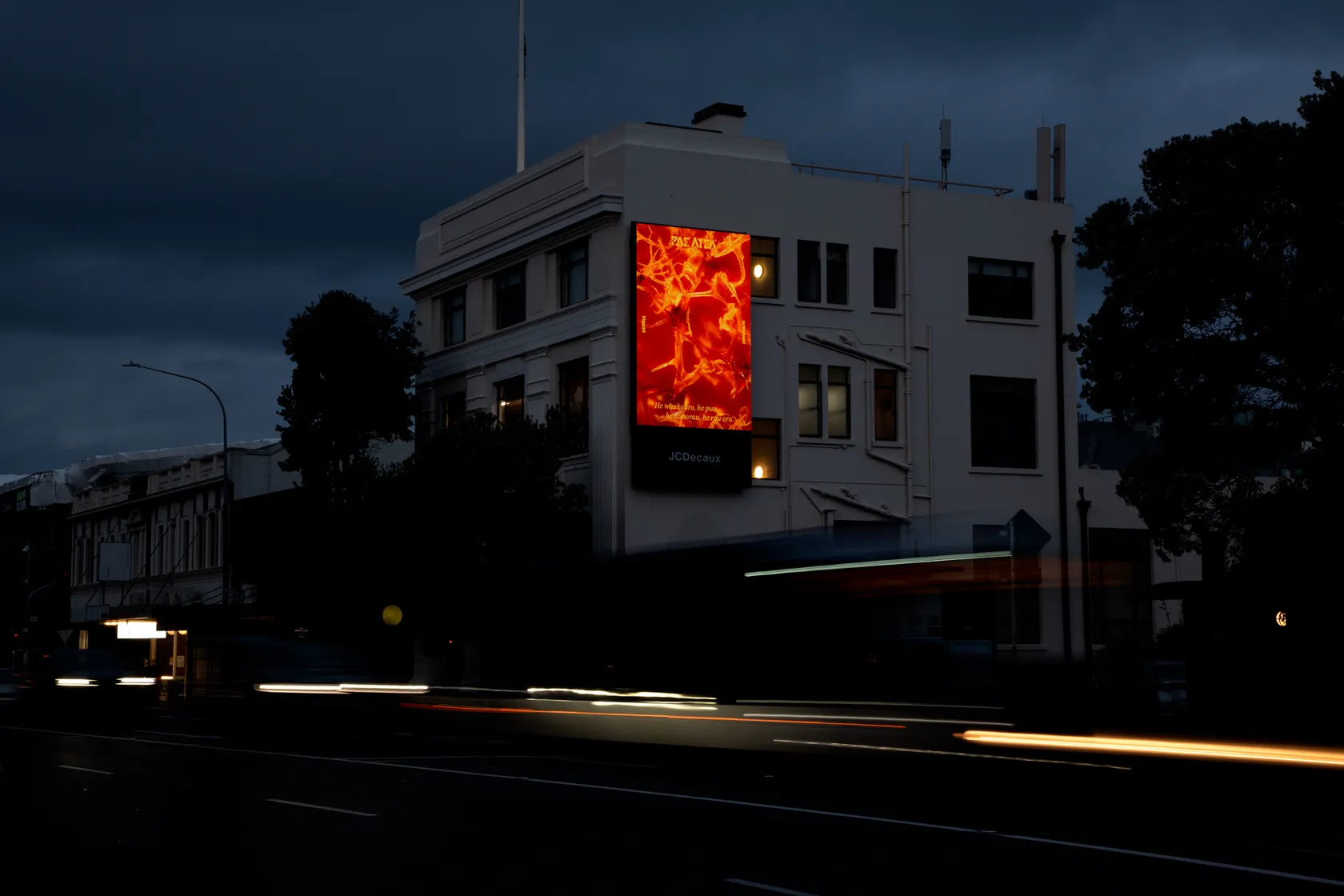
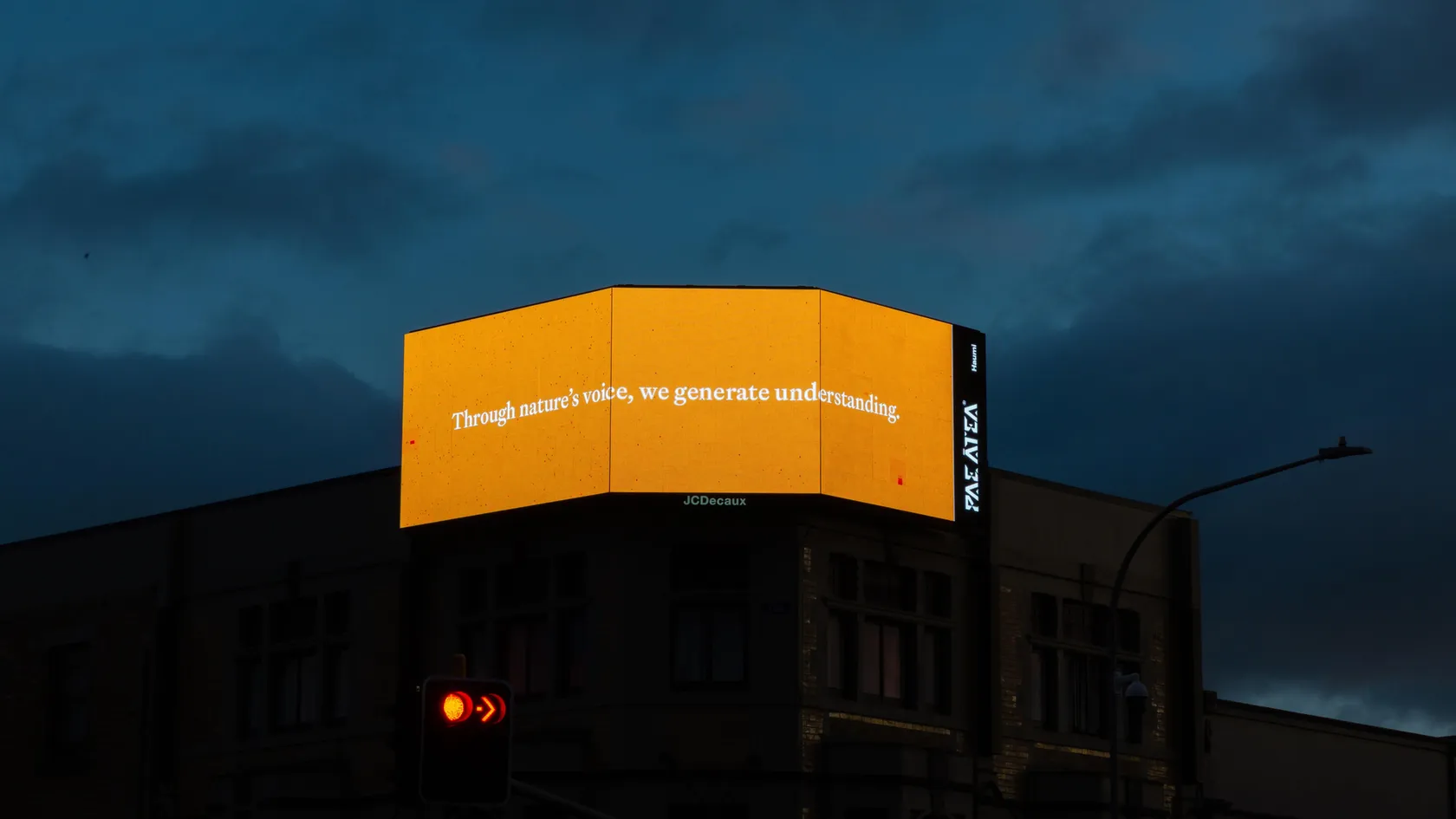
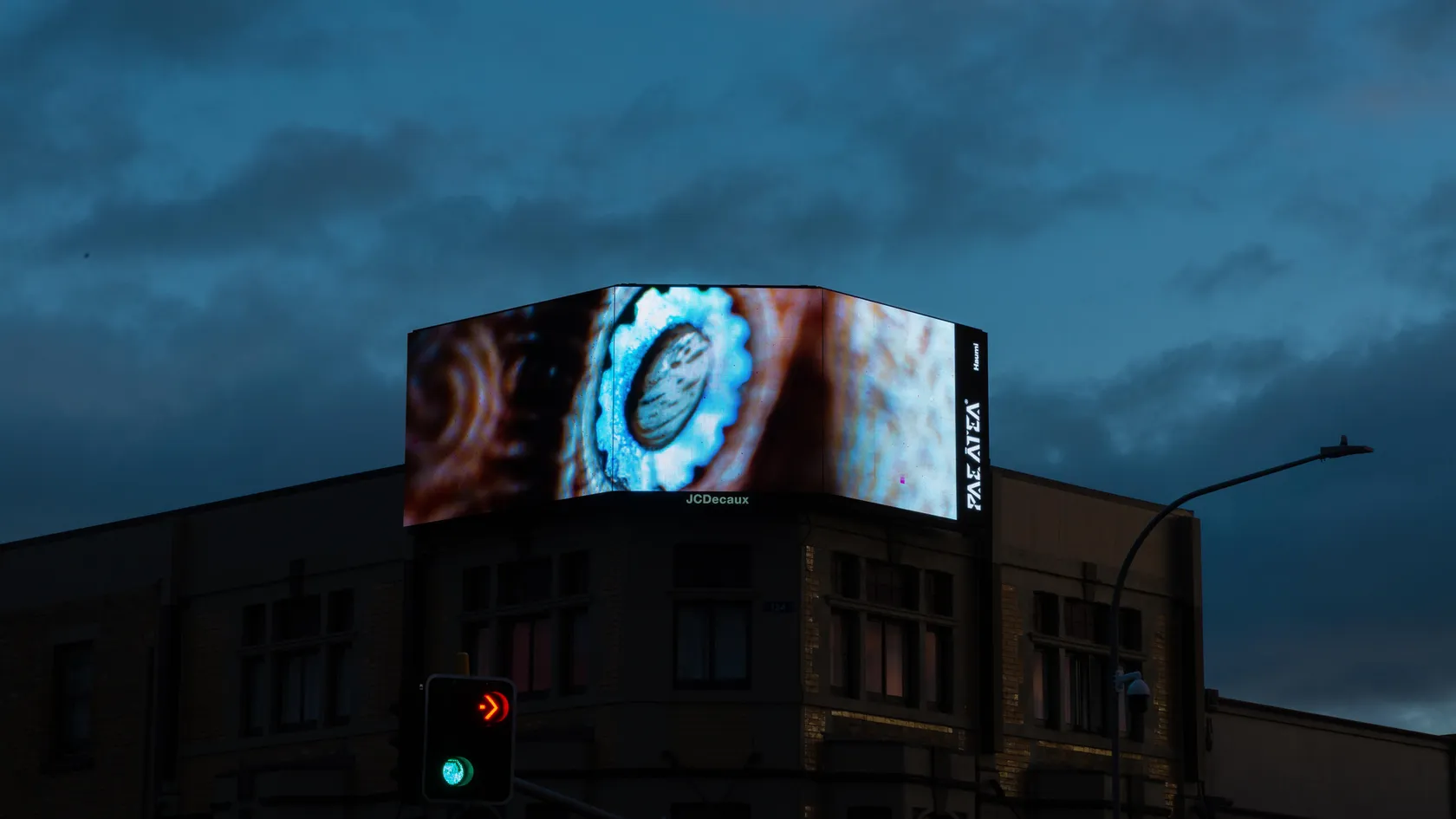
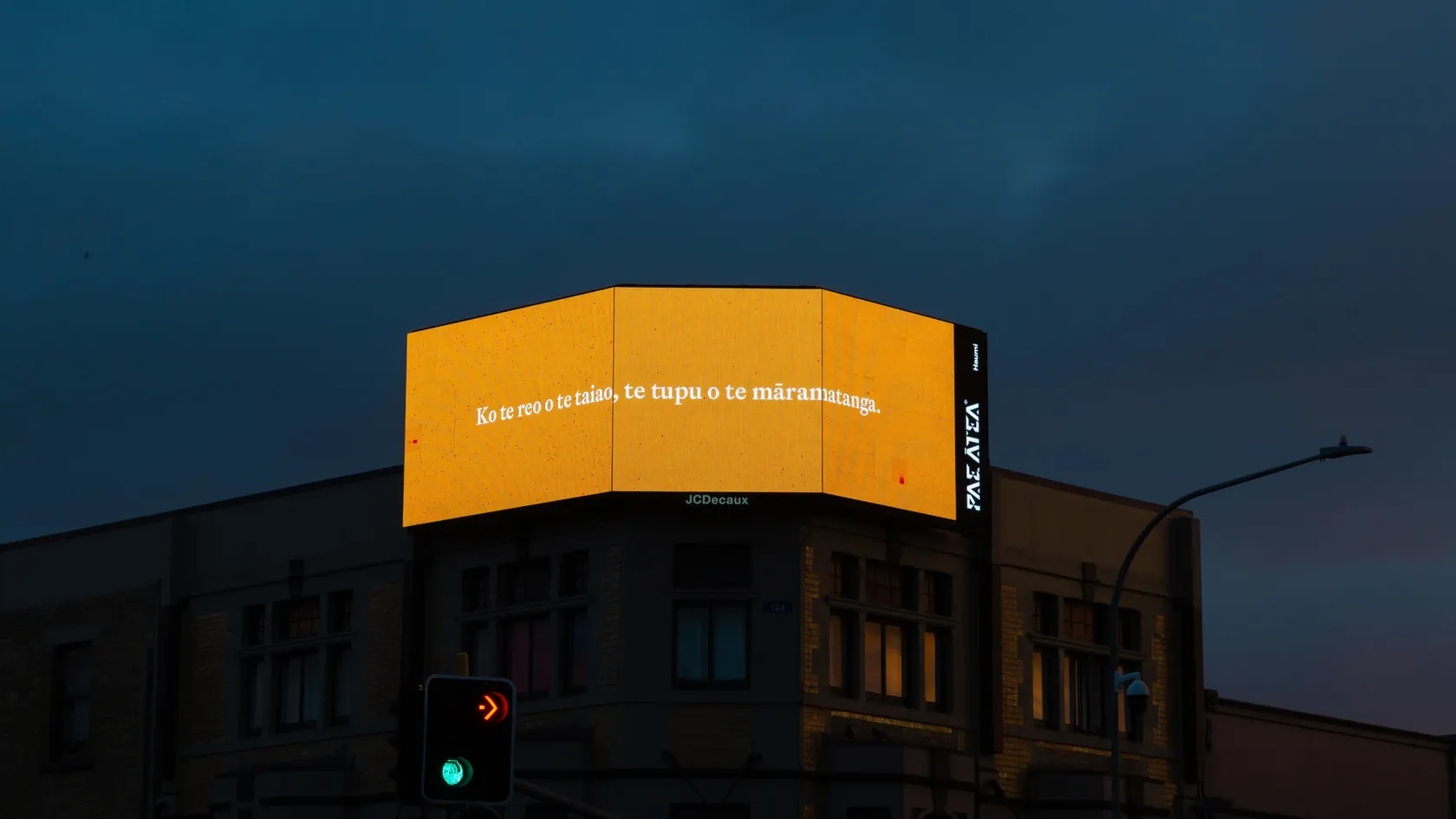
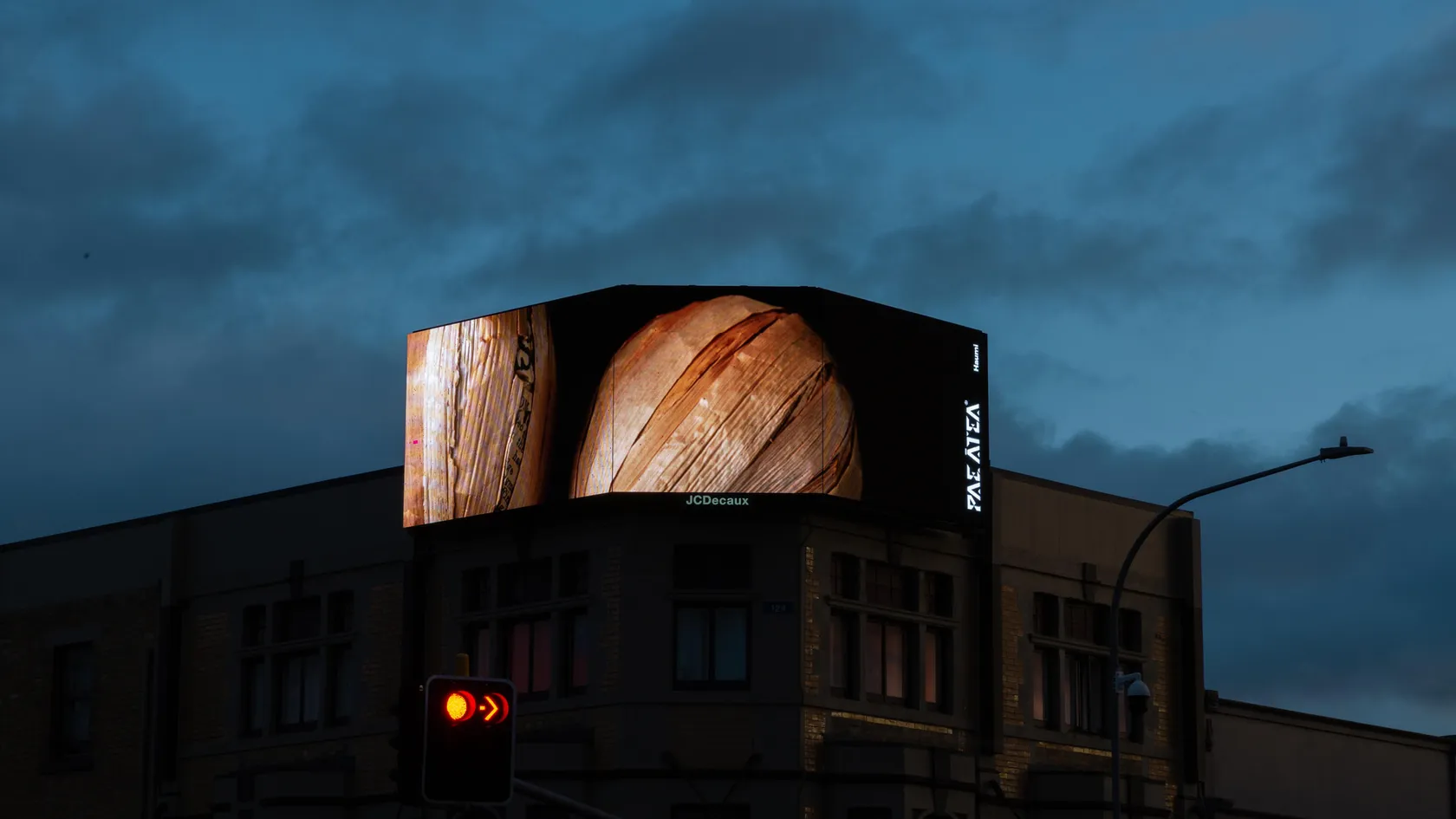
This tuku celebrates the approaching seasonal shift toward raumati, or summer.
It is a time where we sit on the precipice of potential, consciously (and unconsciously) dwelling in both the anticipation of the unknown and the certainty of cyclical change.
A single whakataukī is illuminated against vibrant microphotography of native flora and fauna. Though largely unrecognisable, their digital forms agitate with purpose.
A threshold toward the promise of warmth and growth, Pae Raumati evokes the sensory experiences that signify seasonal change at this time of year in Aotearoa: warmed skin, cicada sounds, flowering pōhutukawa, and the promise of longer days and warmer nights.
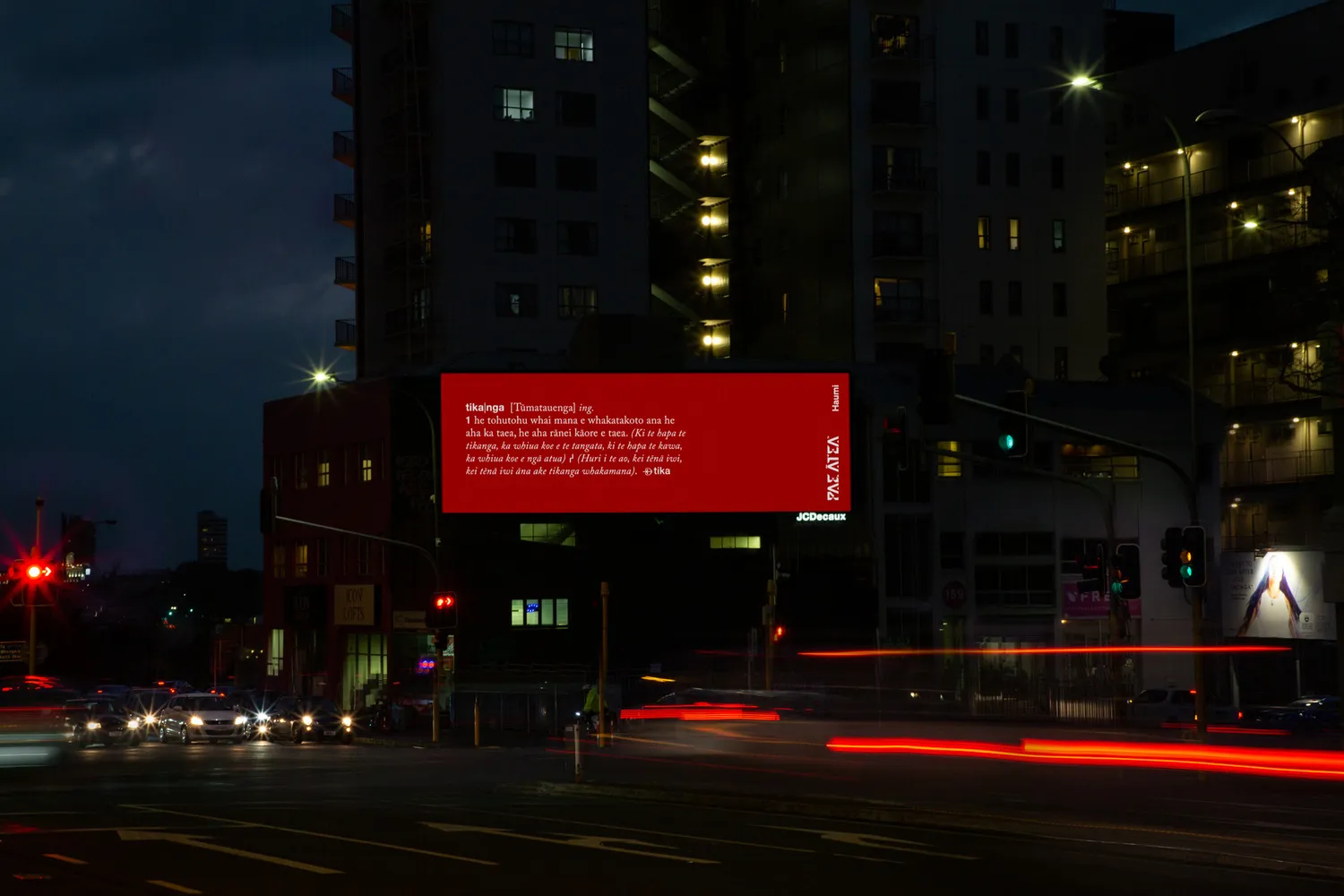
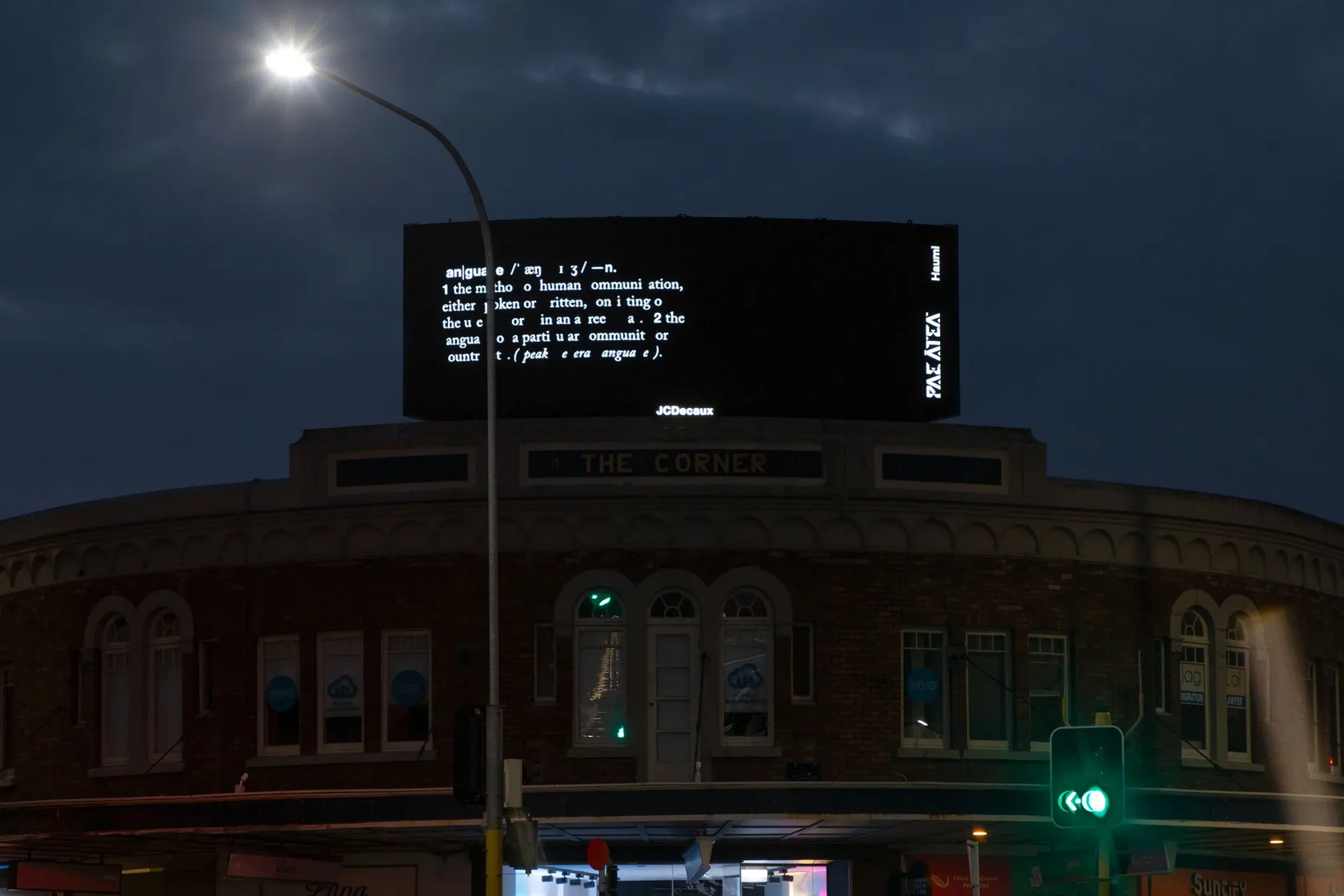
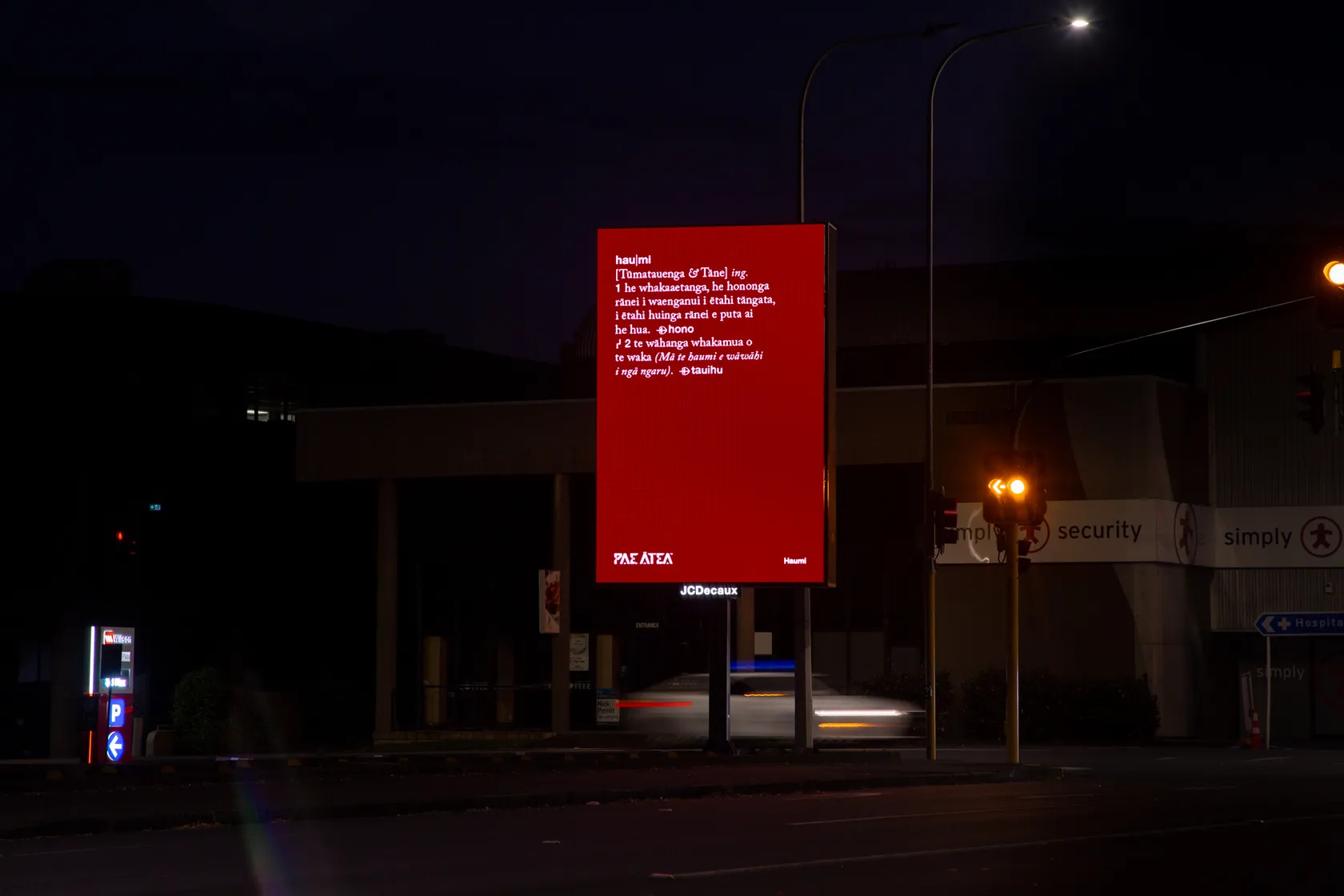
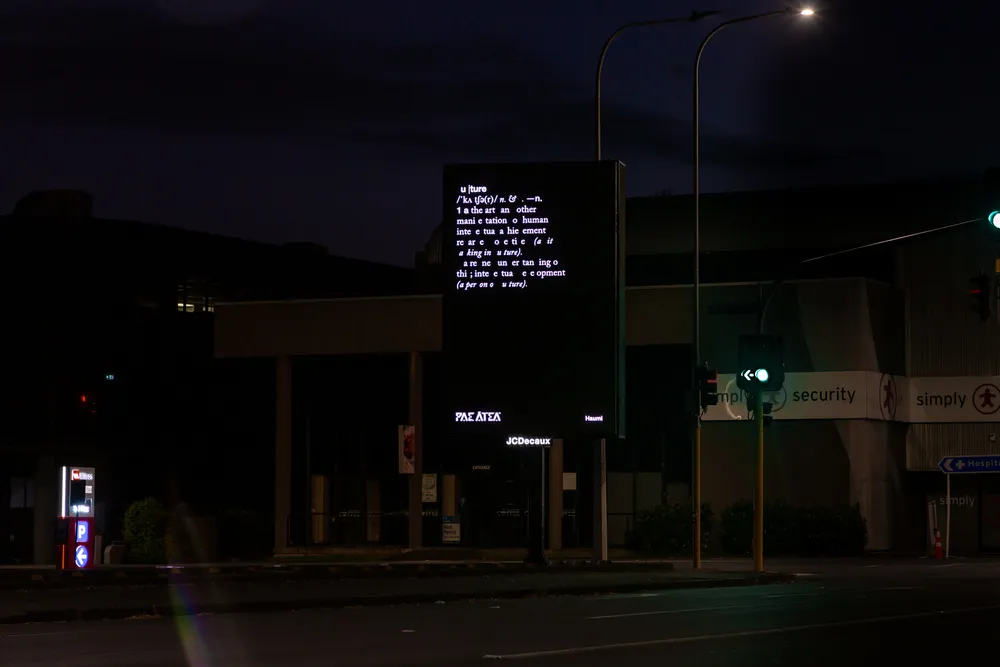
Language carries knowledge, and knowledge represents our understanding and lived experience through time. Our experiences help us to rationalise the world around us, define our values, and build our collective identity – our culture.
But when we think about the transmission of knowledge, we often default to the implied authority established and perpetuated by the written word above other modes of expression, including the arts. As a formalised composition of signs developed to structure communication, words and their various formats (including publications and media) have become a principal source of truth. Today, they have a binding influence in the way we communicate and legitimise our worldview and our identity, and therefore our essence.
But what if language has insufficient signs to carry the dimensionality and nuances of a culture? What if, in our emphasising of the written word, we lose our ability to activate other modes of communication to express and retain our humanity? Moreover, what if this systemised mode of communication further reduces our uniqueness and dynamism as distinct communities?
If we acknowledge the universal constraints of the written word, we can disassemble the authority that it carries. By questioning the underlying structures of knowledge systems, we can address our collective differences and adopt a more dynamic and inclusive appreciation of each other. This tuku challenges us to think about the beauty of language, but also the limitations of the written word to carry the dimensionality of lived experiences.
This set of billboards is called Tuku Mātauranga (the exchange of knowledge). Each billboard carries a single word definition, one in English, the other in te reo Māori. They work as dynamic pairings, their layout echoing a dictionary source. The typeface is Caslon, a typeface introduced by William Colenso in the 1830s in Aotearoa. It was used in the first printing press in New Zealand to produce the Māori New Testament and marks the introduction of the written world into this country.
Each word is a signpost to the underlying concept of this tuku. To demonstrate the idea, we have removed letters not present in the Māori alphabet from the English interpretations. The challenge is to identify these words in English and consider the knowledge that could be lost through translation.