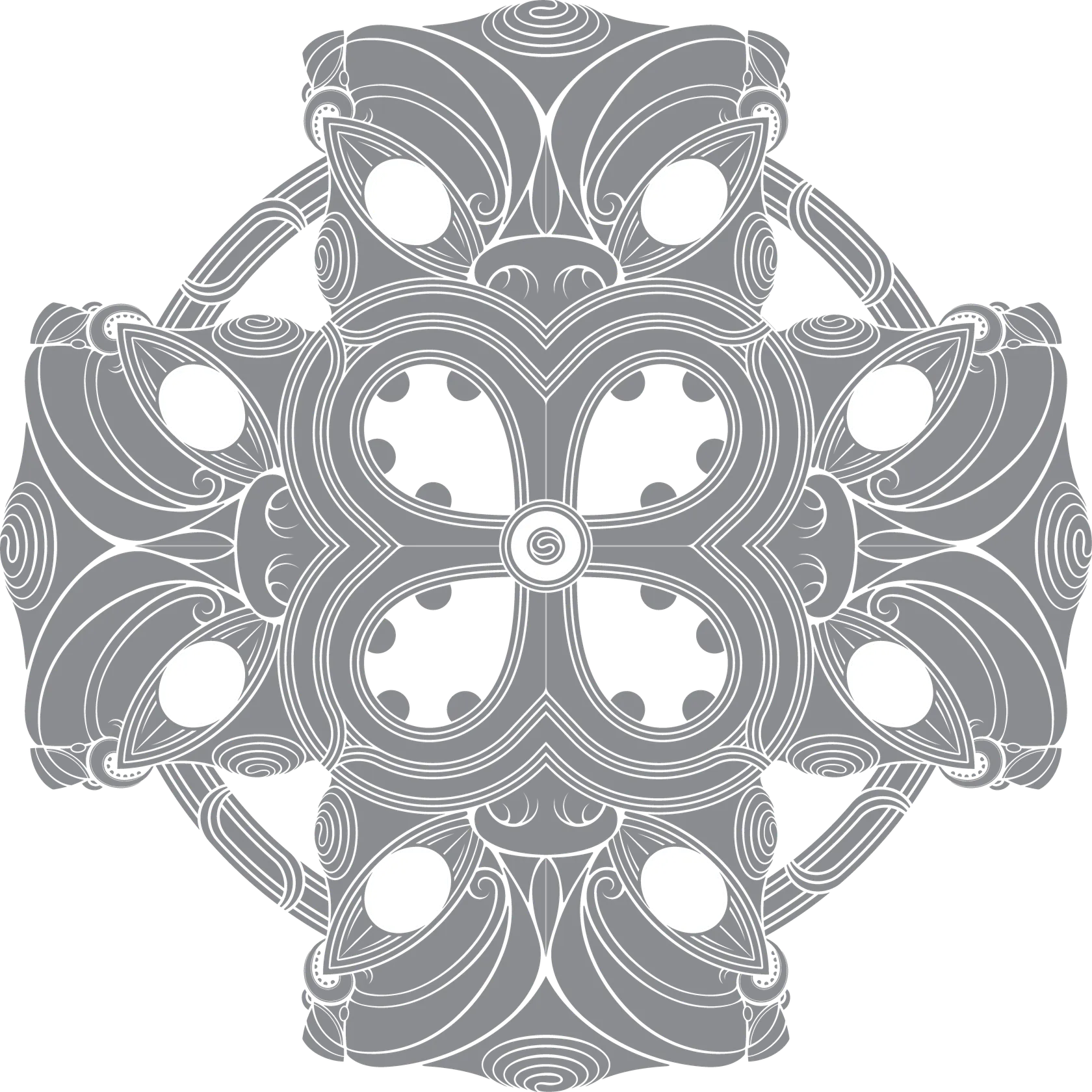
Te Ara Whānui outlines a collective course for Ngāti Kuri, grounded in place and shaped by an indigenous logic of relationship and responsibility. Represented through an illustrated waka, the vision charts the distribution of effort, care, and intent across the rohe, from Kā Uri in Awanui to Te Paerau. Beyond the bow of the waka, Te Rerenga Wairua and Manawatāwhi stand as enduring markers, while on the horizon, Rangitāhua remains a constant symbol of origin, return, and renewal.
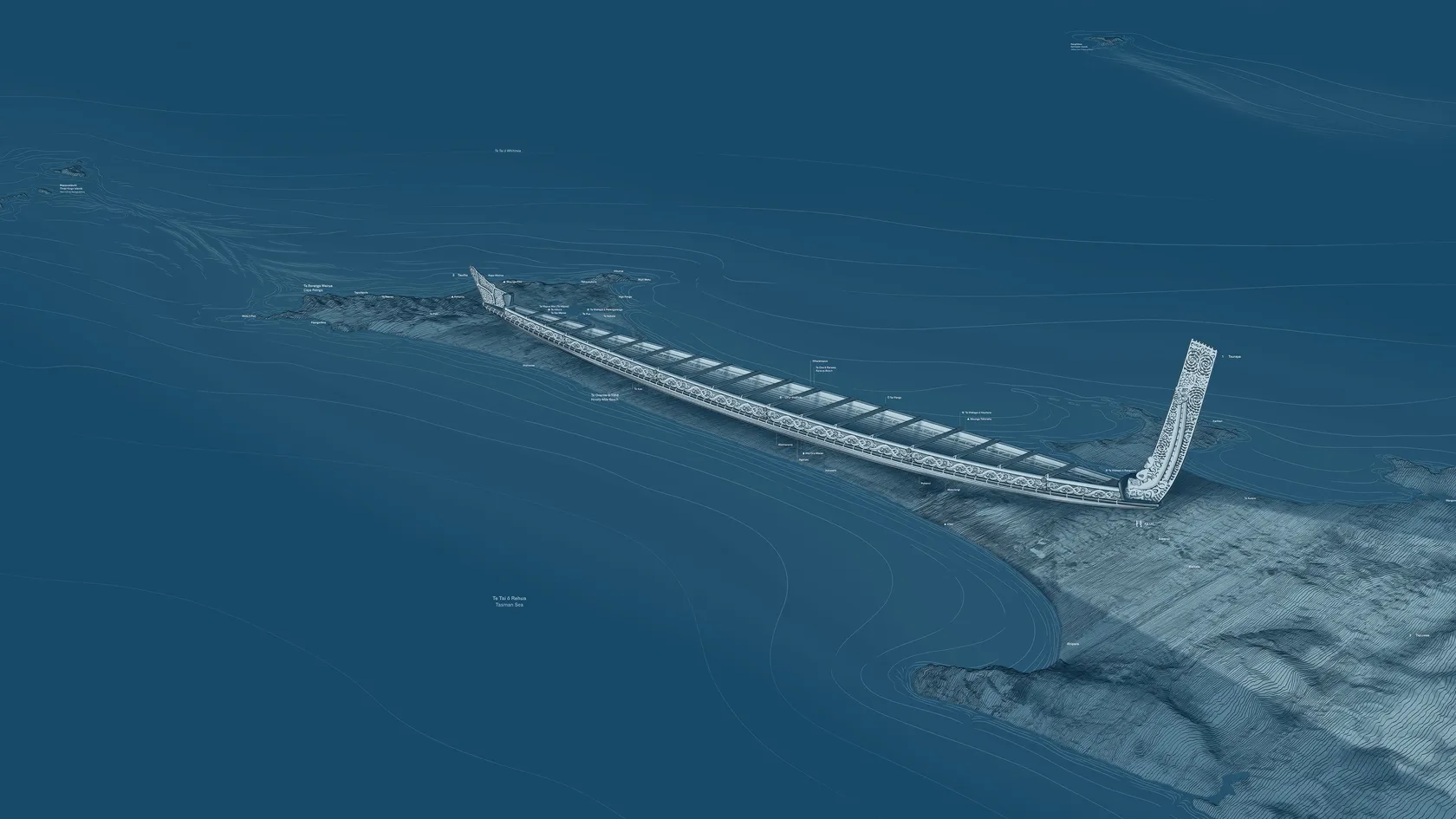
Te Ara Whānui is a blueprint that brings the aspirations of Ngāti Kuri into one navigational frame. The waka embodies commitment and interconnection. Its elements function as lessons from the taiao – a pedagogy that guides how relationships are shaped and maintained. Together, they express iwi connection: cultural practice, commercial development, environmental care, education, and future opportunity. Resting on land and facing north, the waka honours historic pathways and reaffirms the role of Ngāti Kuri as kaitiaki, nurturing relationships between land and sea, people and environment, past and future.
Te Ara Whānui Identities
From this framework, opportunities are continually aligned, refined, and developed. Each kaupapa relates back to the blueprint, coming together where connection strengthens the narrative, or standing apart where distinction is required. This ensures every opportunity is intentional, coherent when appropriate, and purposefully singular when needed.
Kā Uri Pattern
The Kā Uri pattern draws from flowing strands of pīngao, a coastal plant central to Ngāti Kuri identity and self-determination and was prominent within the WAI 262 claim. Positioned between the haehae, the stylised pīngao forms a visual bridge between land and ocean. The haehae represent Te Ara Whānui – the multiple pathways that guide Ngāti Kuri forward.
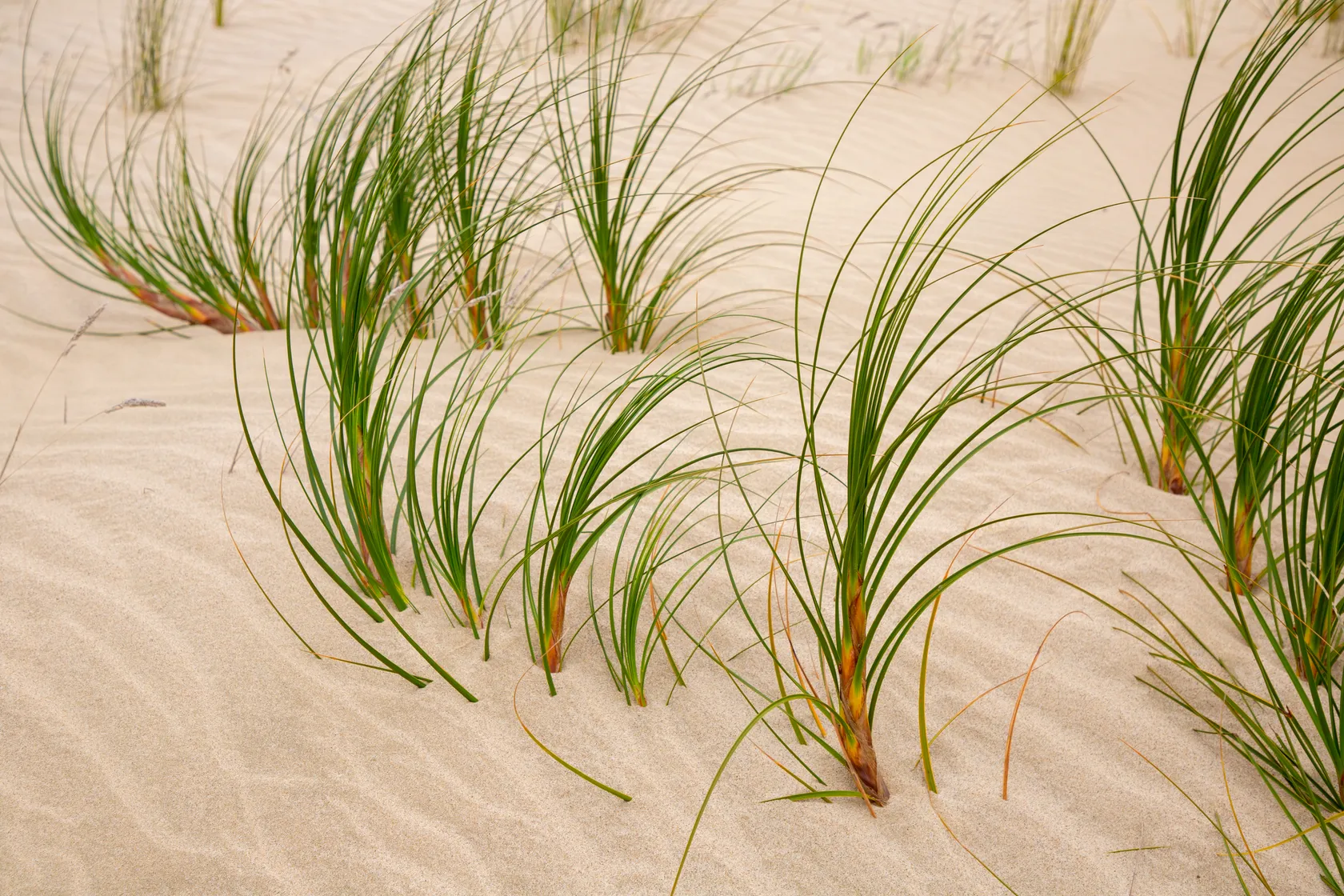
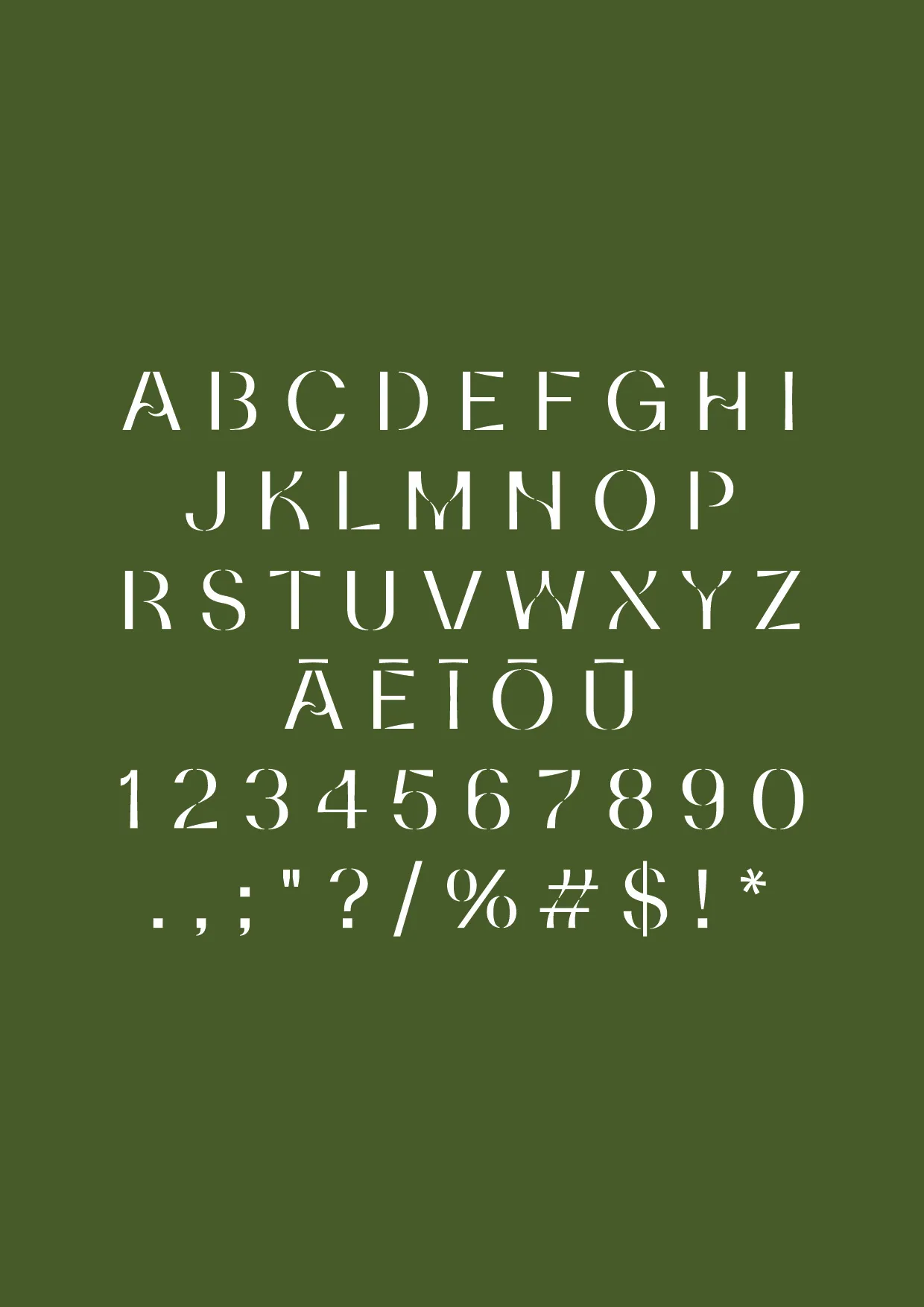
This typeface is shaped by pīngao, a highly prized coastal grass found extensively in the Ngāti Kuri coastal environment. Growing on the threshold between land and sea, pīngao binds worlds: whenua and moana, past and future, story and practice. Its golden strands, woven into taonga, carry relationships and maintain intergenerational knowledge. The Pīngao typeface draws from this role of binding and connection, and is a visual expression of Ngāti Kuri identity.
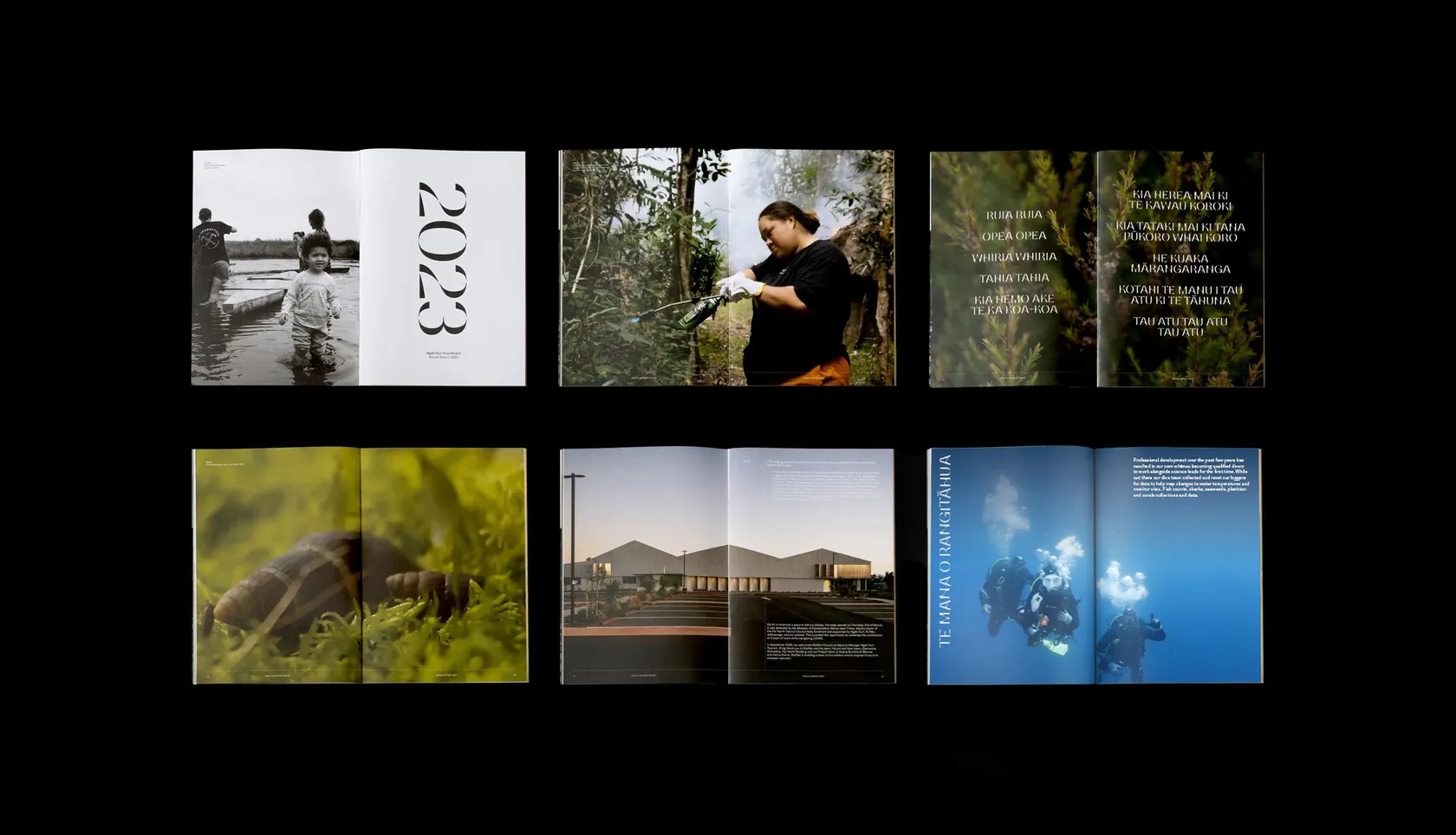
Te Mana o Rangitāhua
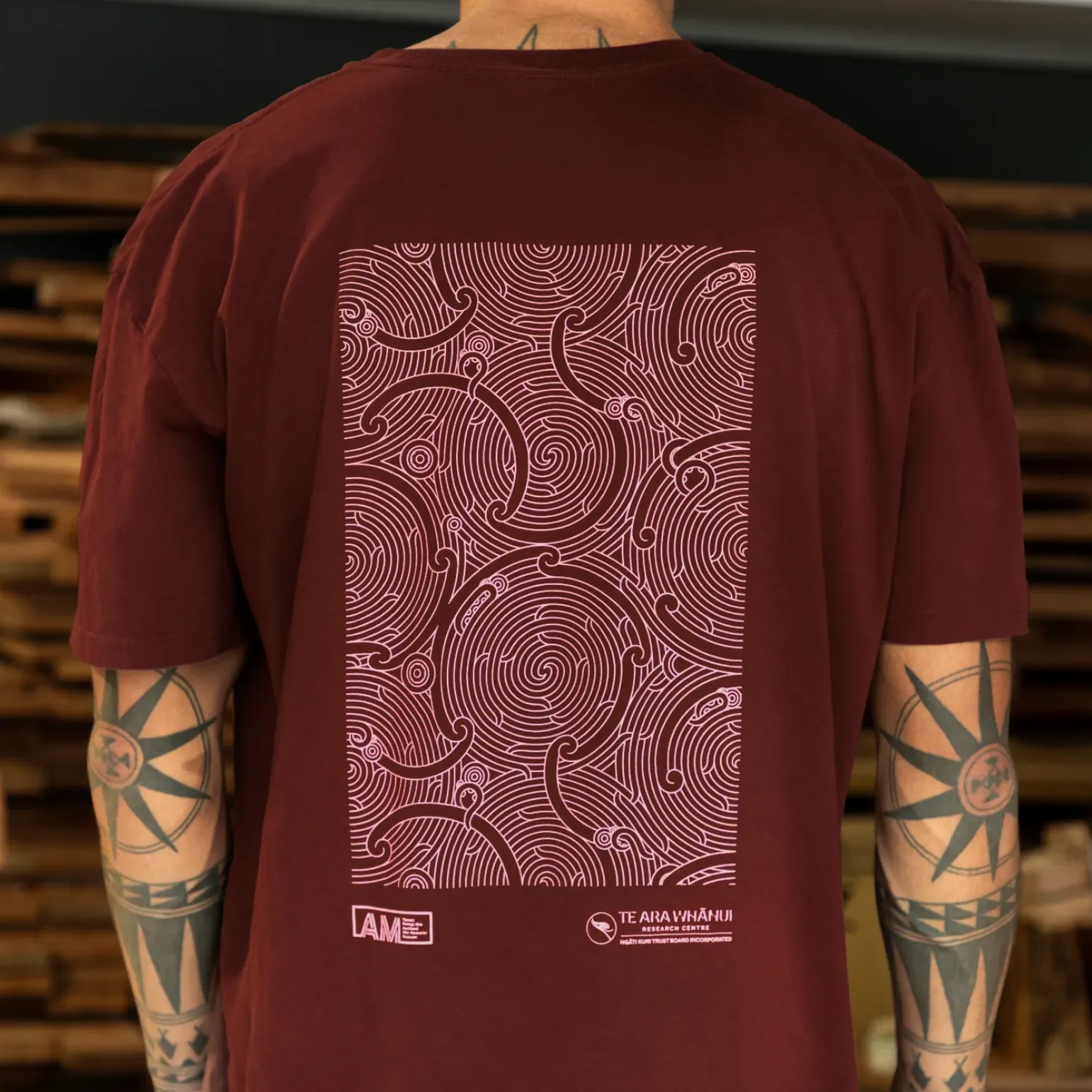
Te Mana o Rangitāhua is a research programme led by the Ngāti Kuri Te Ara Whānui Research Centre. The programme’s focus is to deepen understanding of Rangitāhua and its significance to Ngāti Kuri, Aotearoa, and the wider region. More than a remote island group, Rangitāhua is a symbol of connection, renewal, and shared responsibility. The programme strengthens the role of Ngāti Kuri as kaitiaki, protecting the mana of Rangitāhua and carrying its message across the oceans.

Kā Ora Pattern
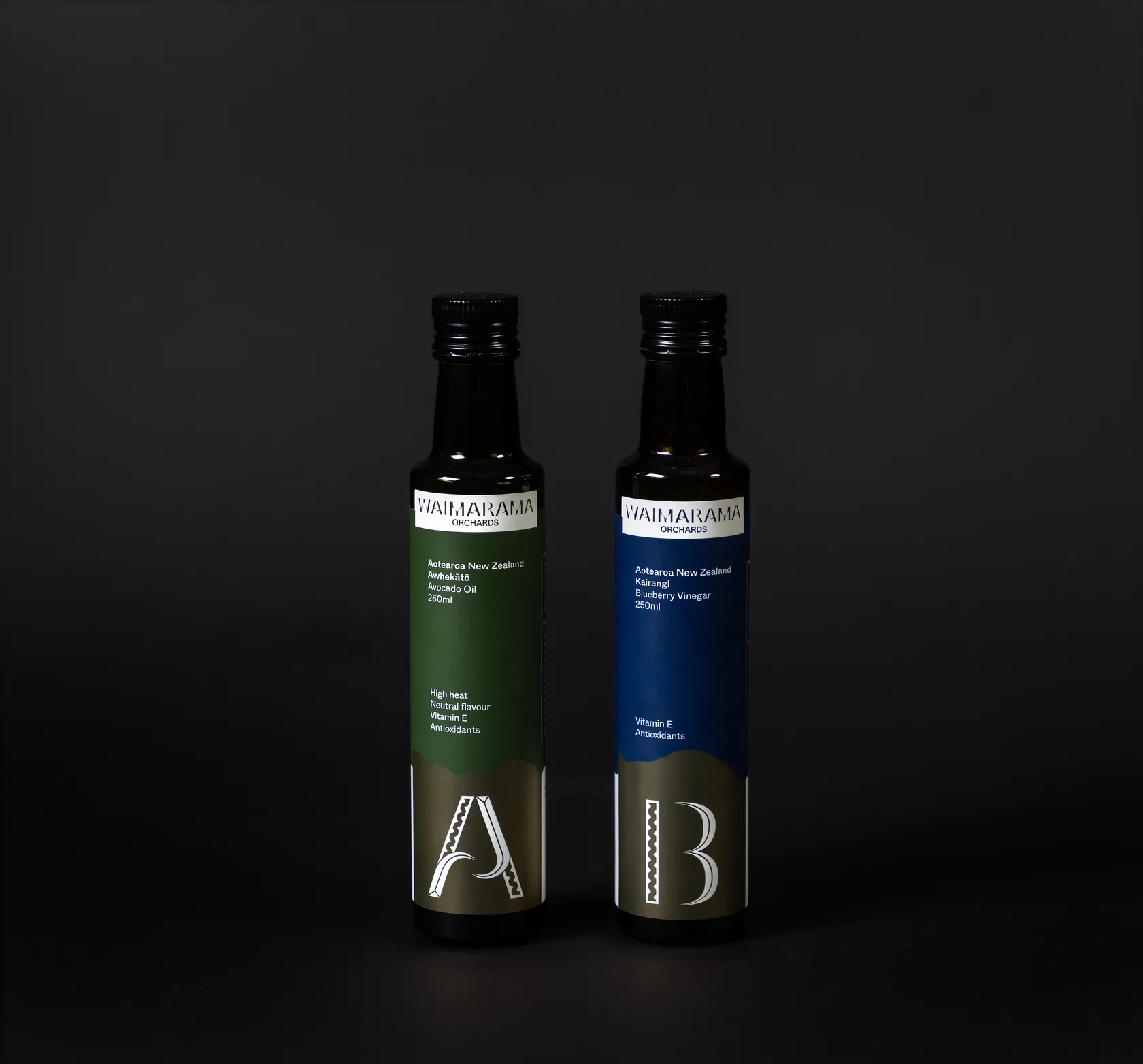
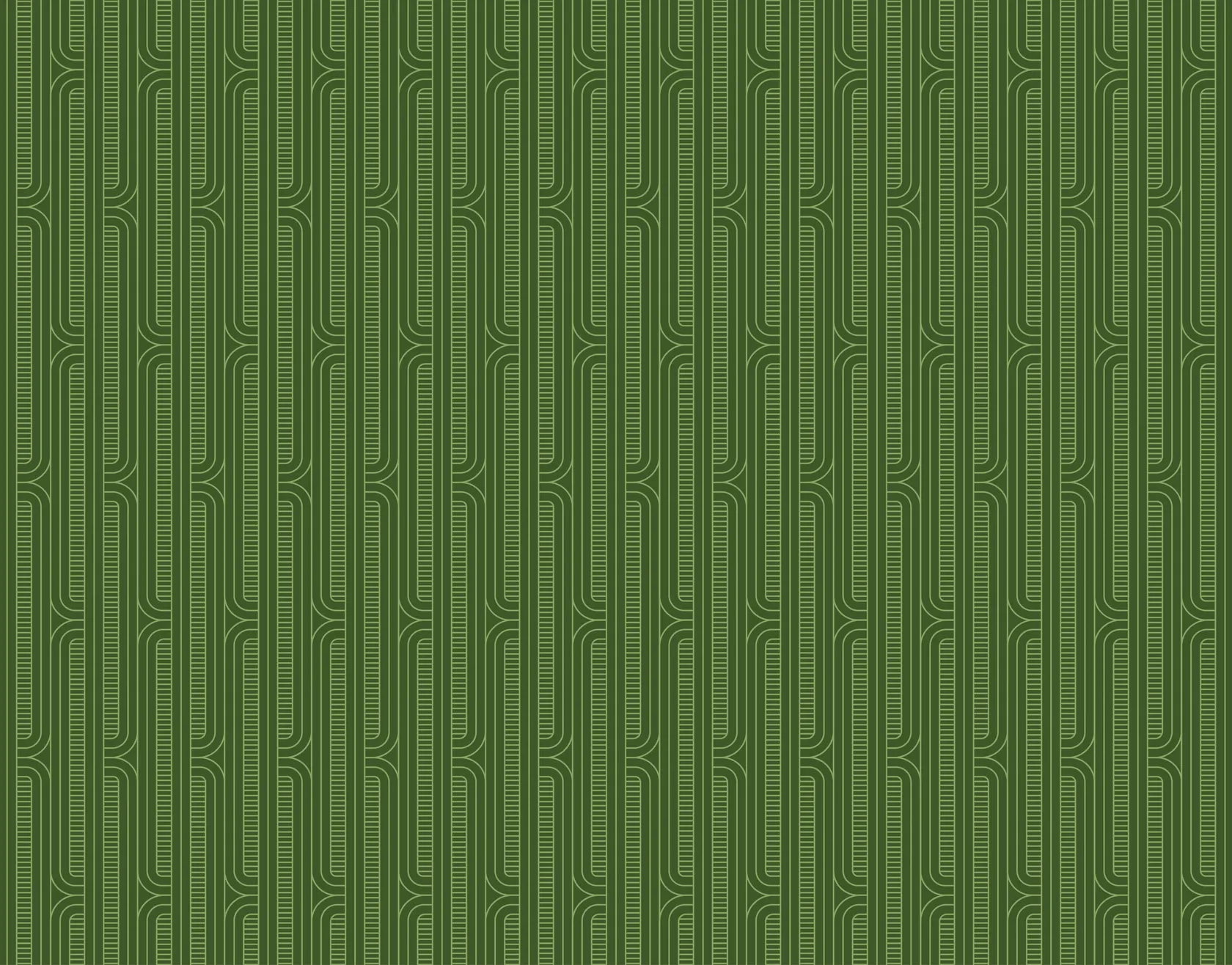
The Kā Ora pattern reinterprets the rauponga design to express the pathways of Te Ara Whānui. Traditionally symbolising ribs and protection, rauponga is used here to denote reciprocal wellbeing – manaaki tangata and manaaki tinana – a model of regenerative care between people and place. It reflects the responsibility to uphold physical, cultural, and collective wellbeing across the rohe.
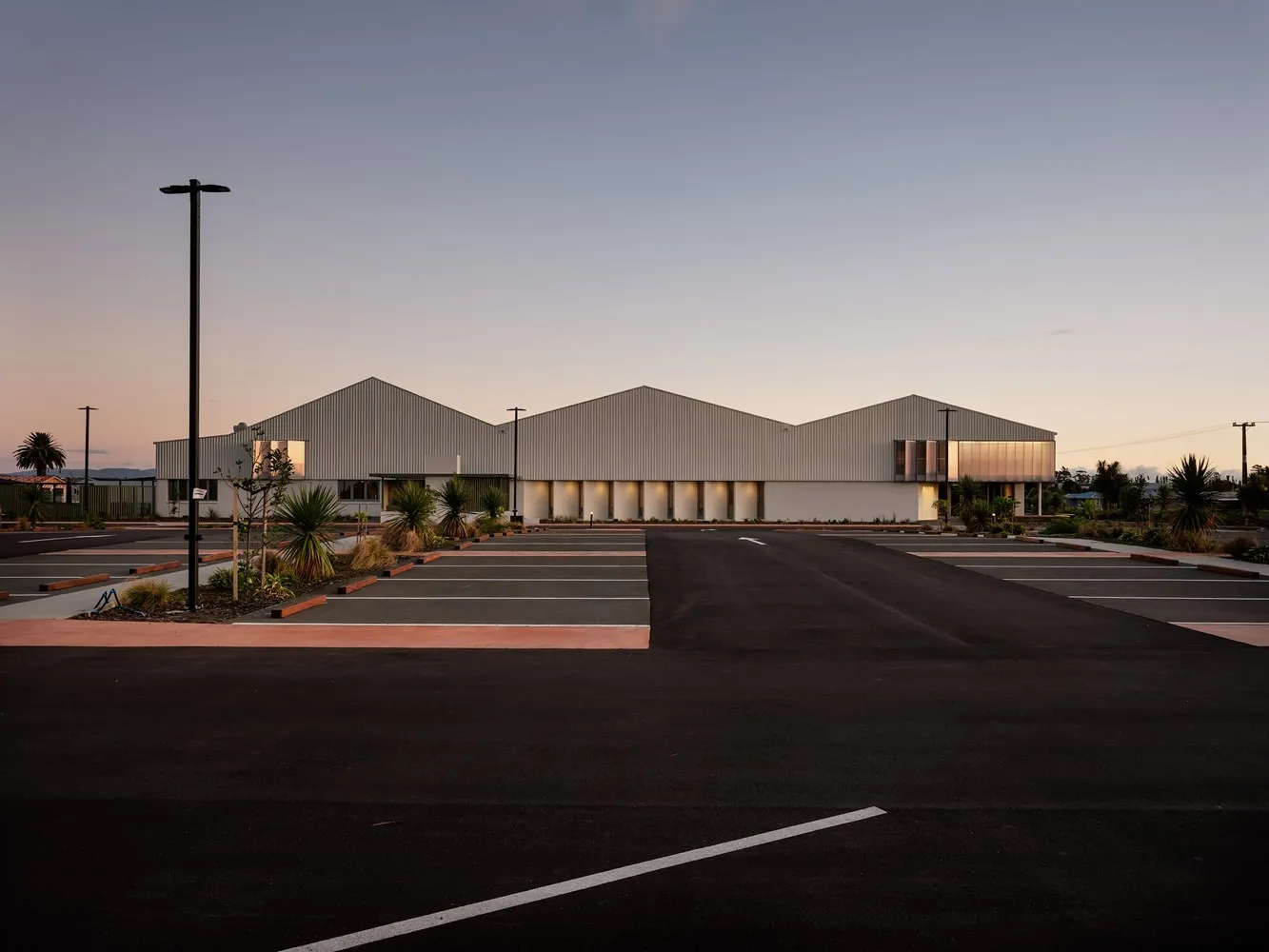
Kā Uri is the gateway to Muriwhenua. It is a place of orientation, connection, and welcome, and brings together retail, a café, venue spaces, and exhibitions. Owned and operated by Ngāti Kuri, it expresses the stories, histories, and aspirations of the iwi. The name Kā Uri means ‘igniting descendancy’, acknowledging that to descend is to be connected: to tūpuna, to whenua, and to each other.
Kā Uri Film
The Kā Uri film uses panoramic cinematography to reveal the distinct character of the Far North, each shot in deliberate relationship with the next. Where the two screens meet, a point of confluence forms – a visual threshold that mirrors the role of Kā Uri as a place of connection and encounter. Familiar landscapes are reframed, inviting renewed attention to the beauty and majesty of the taiao. The composition reminds viewers of the privilege and responsibility of caring for this place.
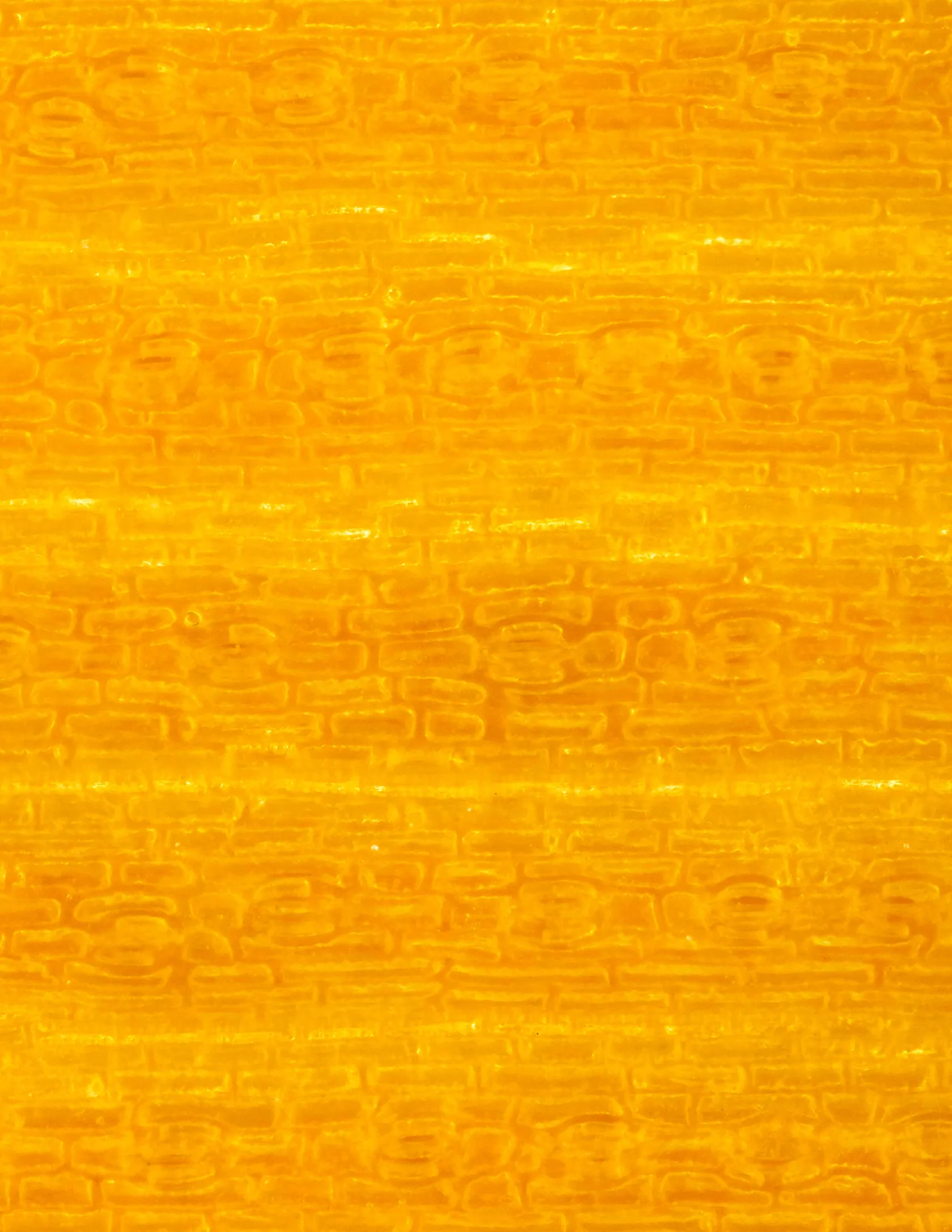
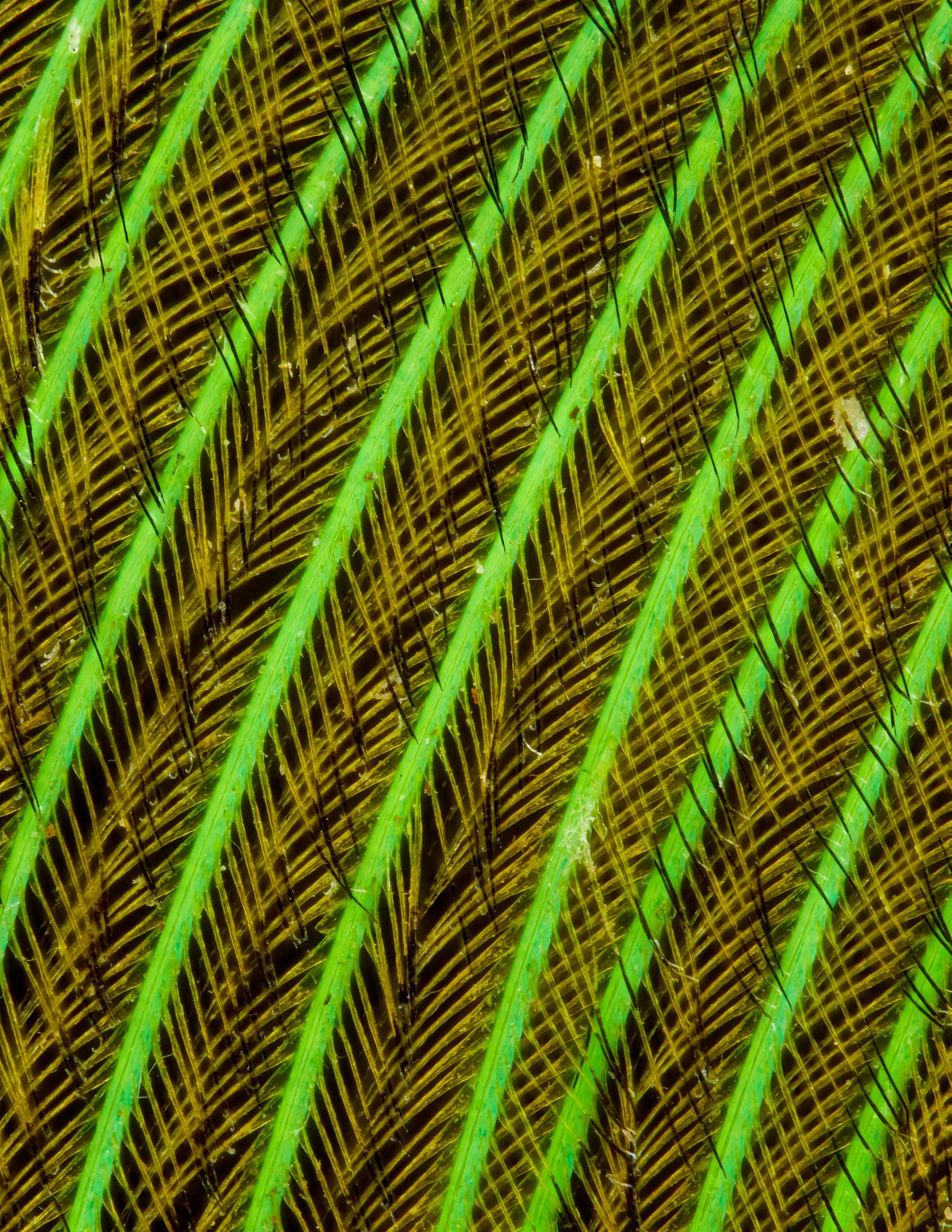
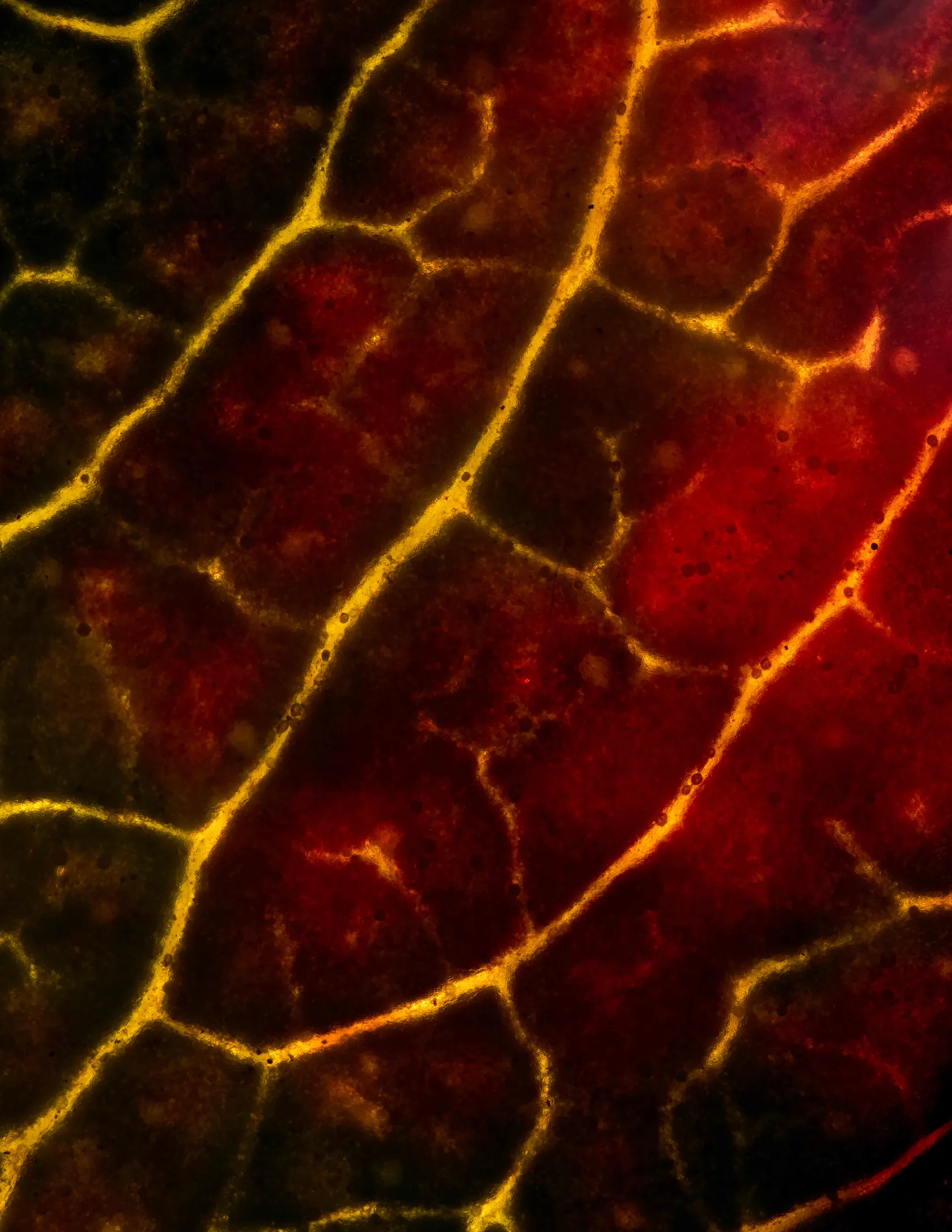
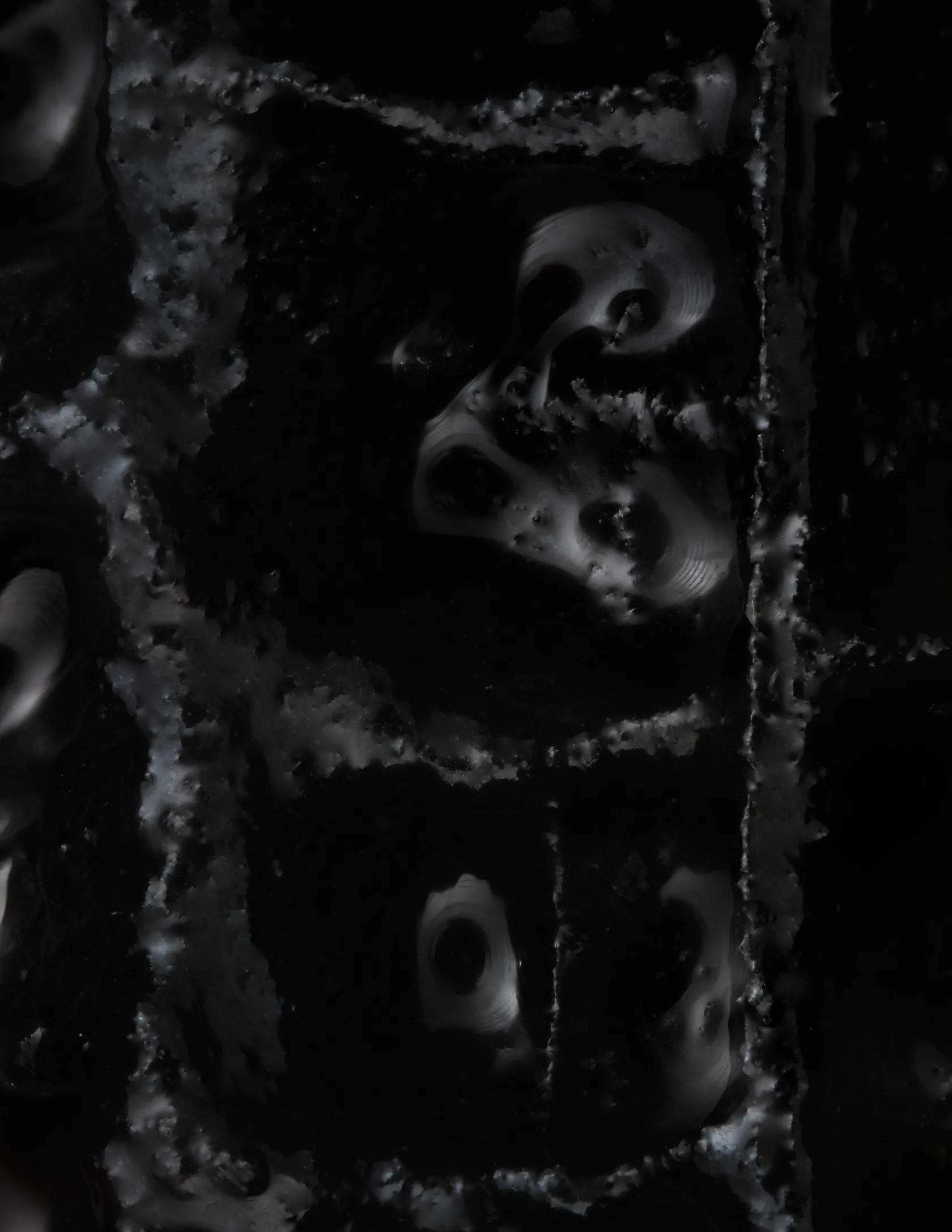
He Kurahuna Ka Kitea: Seeing the Unseen
Amplified and illuminated, this selection of taonga from the Far North provide insight into the structures, patterns, and hidden secrets of our unique ecosystem. When we view and review life under a magnified lens, we are provoked to reconsider the dimensionality of the natural world.
Photomicrography: Daan Hoffmann at Tāmaki Paenga Hira Auckland War Memorial Museum.
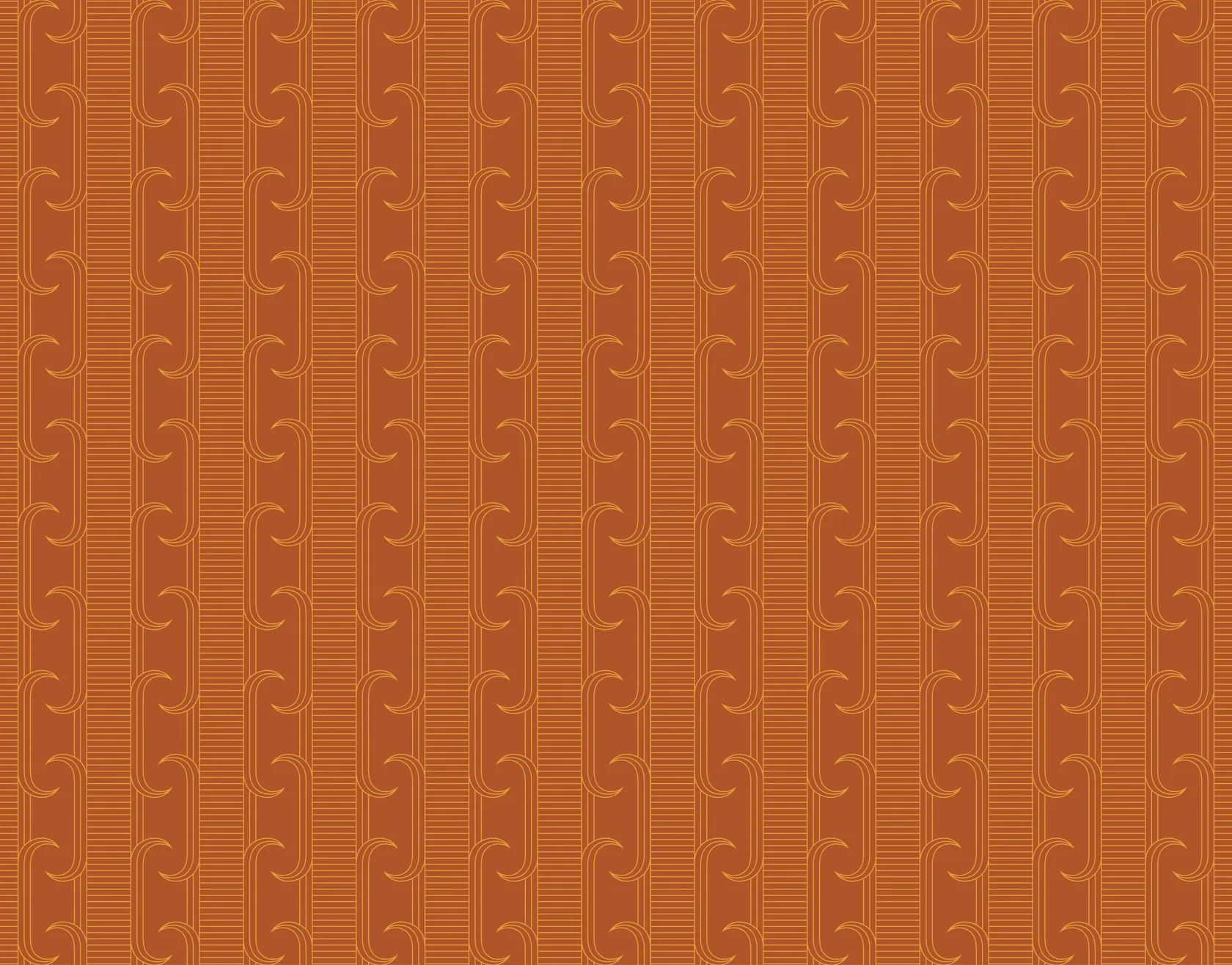
Kā Oho Pattern
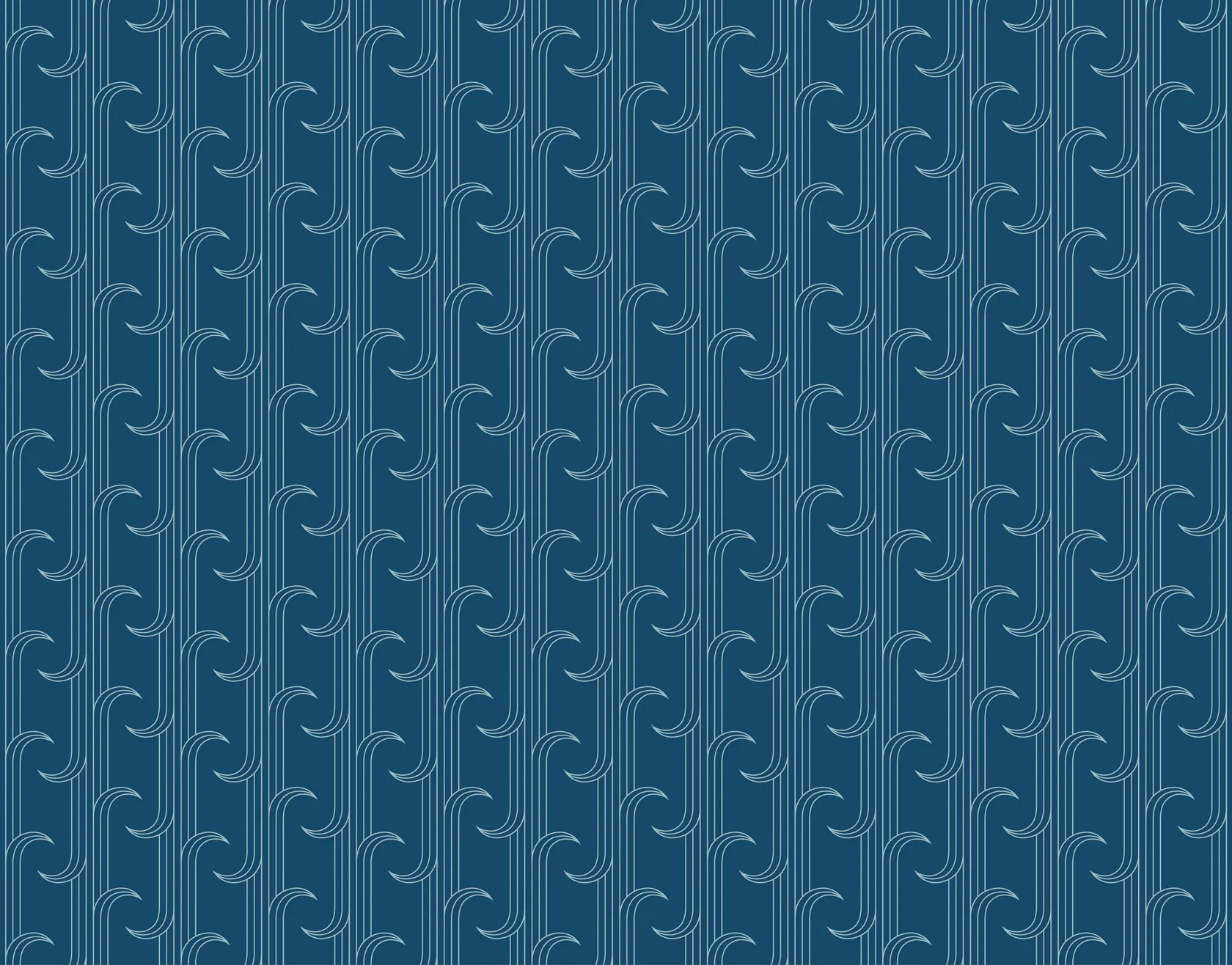
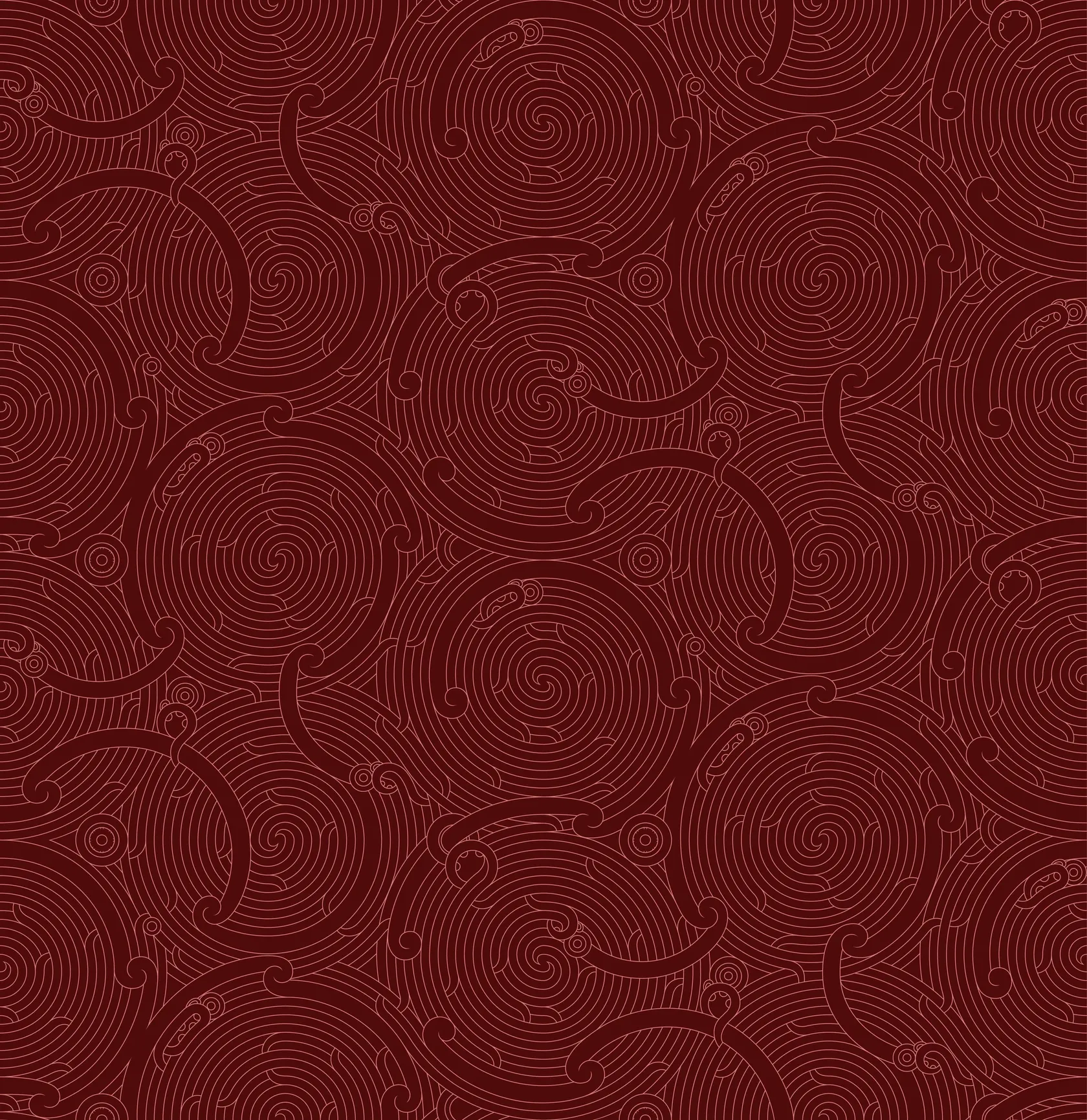
The Kā Oho pattern is inspired by rau tūātea, the double-curved waves that meet at Papaki Ngā Tai. The form emphasises dynamic dualities – potential and the unseen, movement and stillness – expressed through the interplay of positive and negative space. It speaks to the tension between tangible and intangible realms and to the role of Ngāti Kuri as kaitiaki of the taiao and of future generations.