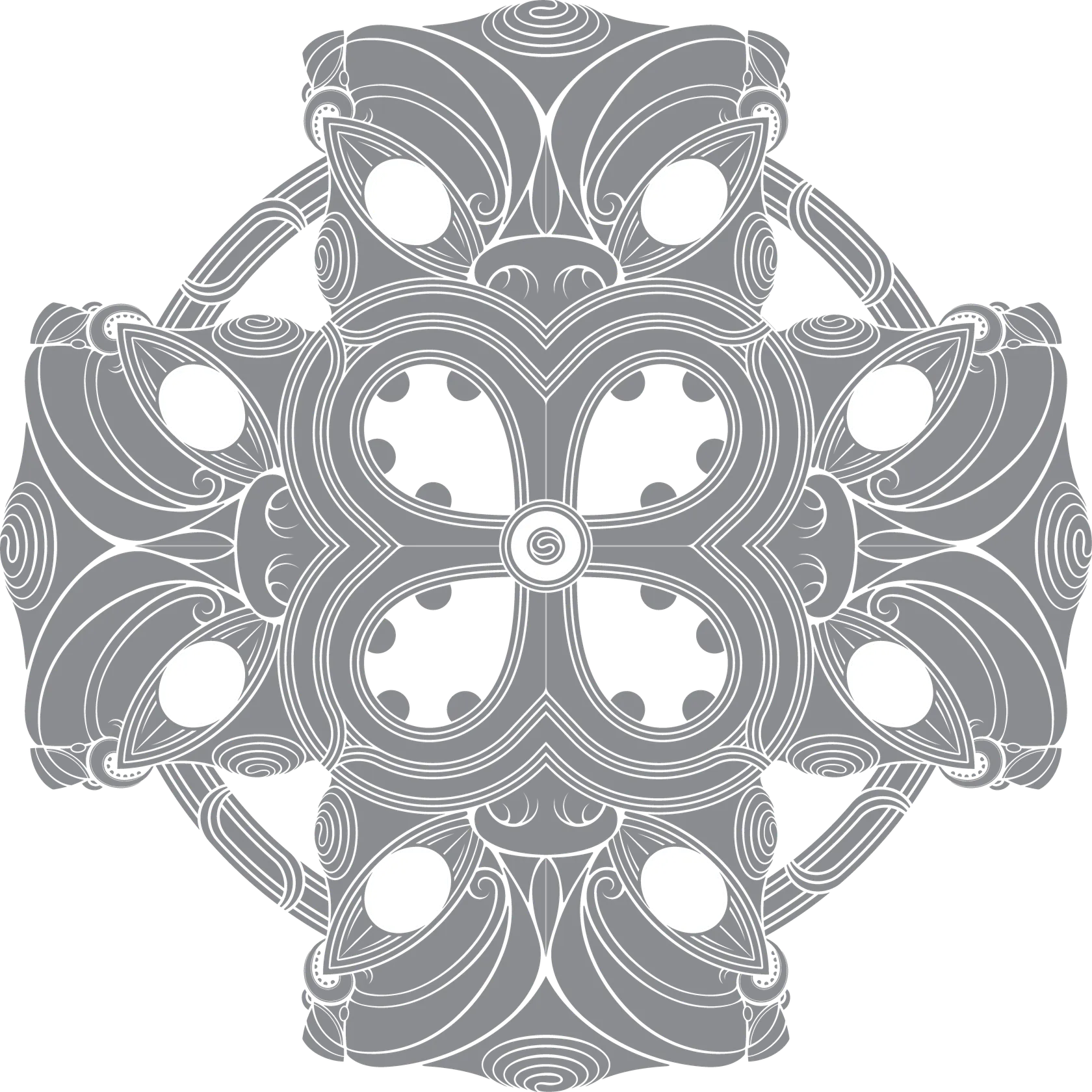
Te Whakatinanatanga o te Whakaaro is the process of giving form to philosophy. The Haumi methodology, Te Tūturutanga o te Whakaaro, safeguards the conceptual coherence and cultural integrity of this process. Expressions may be subtle and embedded or direct and explicit, depending on the kaupapa and context. Grounded in whakapapa, the model helps guide our design decisions with clarity and care, and fosters the enduring relationship between creative practice and the taiao.
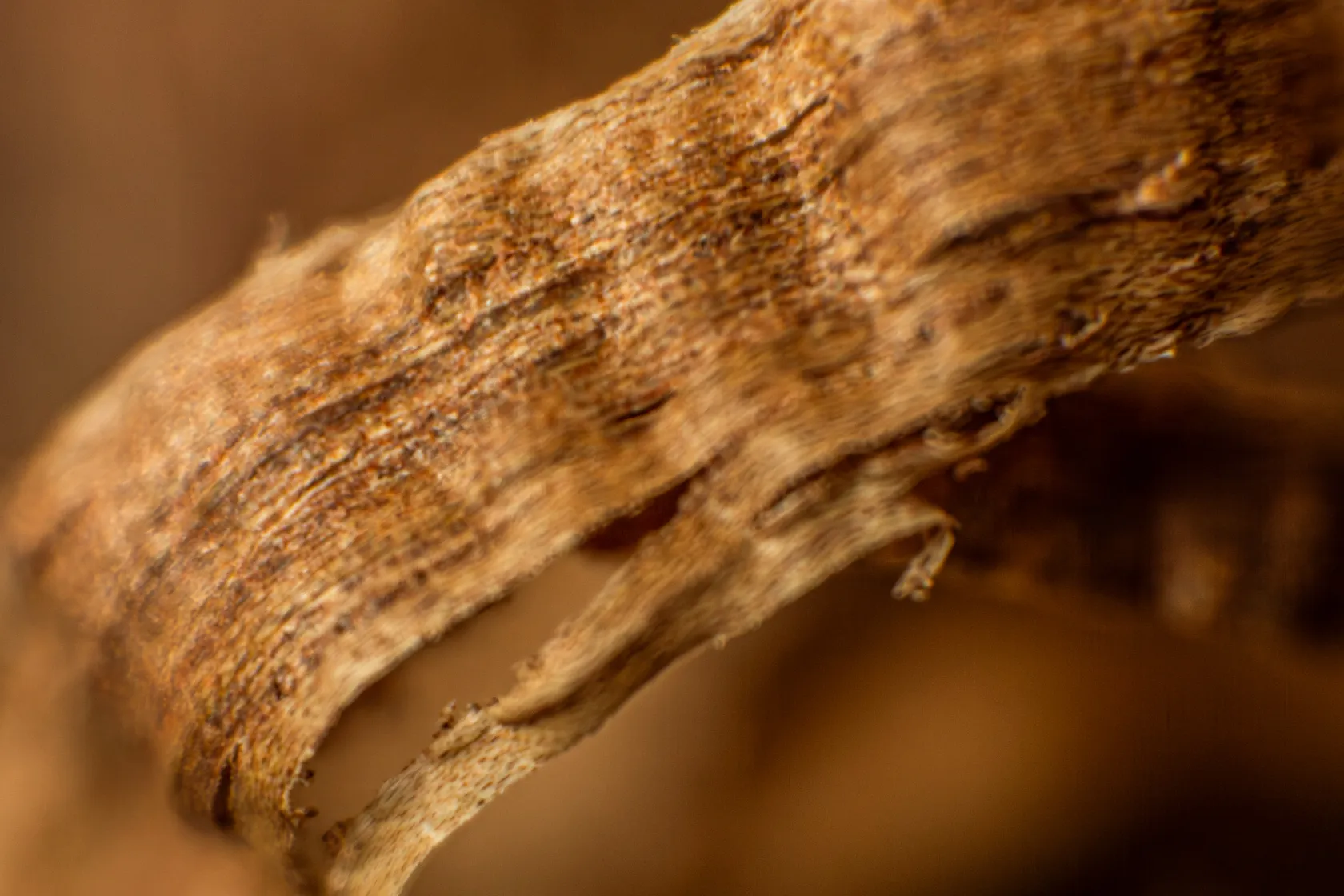
This wāhanga is defined by design responses that are present but not overt, and by cultural expression that is embedded, not declared. It speaks to the power of whakaaro to reveal meaning through absence, subtlety, and resonance rather than through archetypes.
Design decisions in this wāhanga emerge through responsiveness to site and context. Forms and patterns are not directly symbolic but are drawn from the deep structures of the world around us and the rhythms that underpin Māori creative practice. Meaning unfolds experientially and relationally through awareness of the unseen. Ka Rongo invites heightened sensitivity to context and connection.
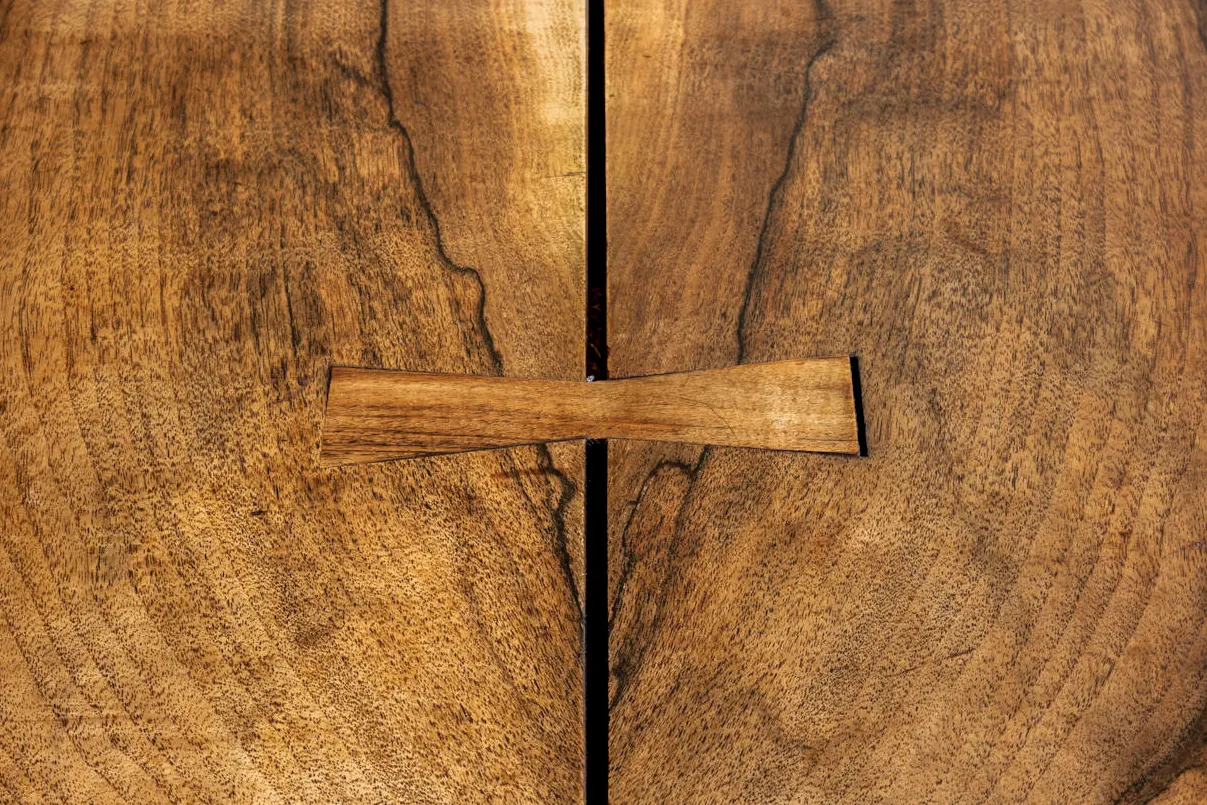
This wāhanga is defined by the meeting of design lineages, including Māori cultural principles and contemporary design systems. It recognises the tensions and opportunities that arise when distinct ways of thinking, making, and knowing intersect. Ka Whiti speaks to the dynamic and productive duality between differing geometries, materials, and worldviews.
Design responses in this wāhanga draw from the logic of inherited systems. Forms are not used ornamentally but are activated through structure, proportion, sequence, and interface. This approach involves negotiating the organic, pattern-based geometries of the taiao with the imposed order of human-designed systems, or aligning the whakapapa of Māori design with the aesthetic codes of modern practice.
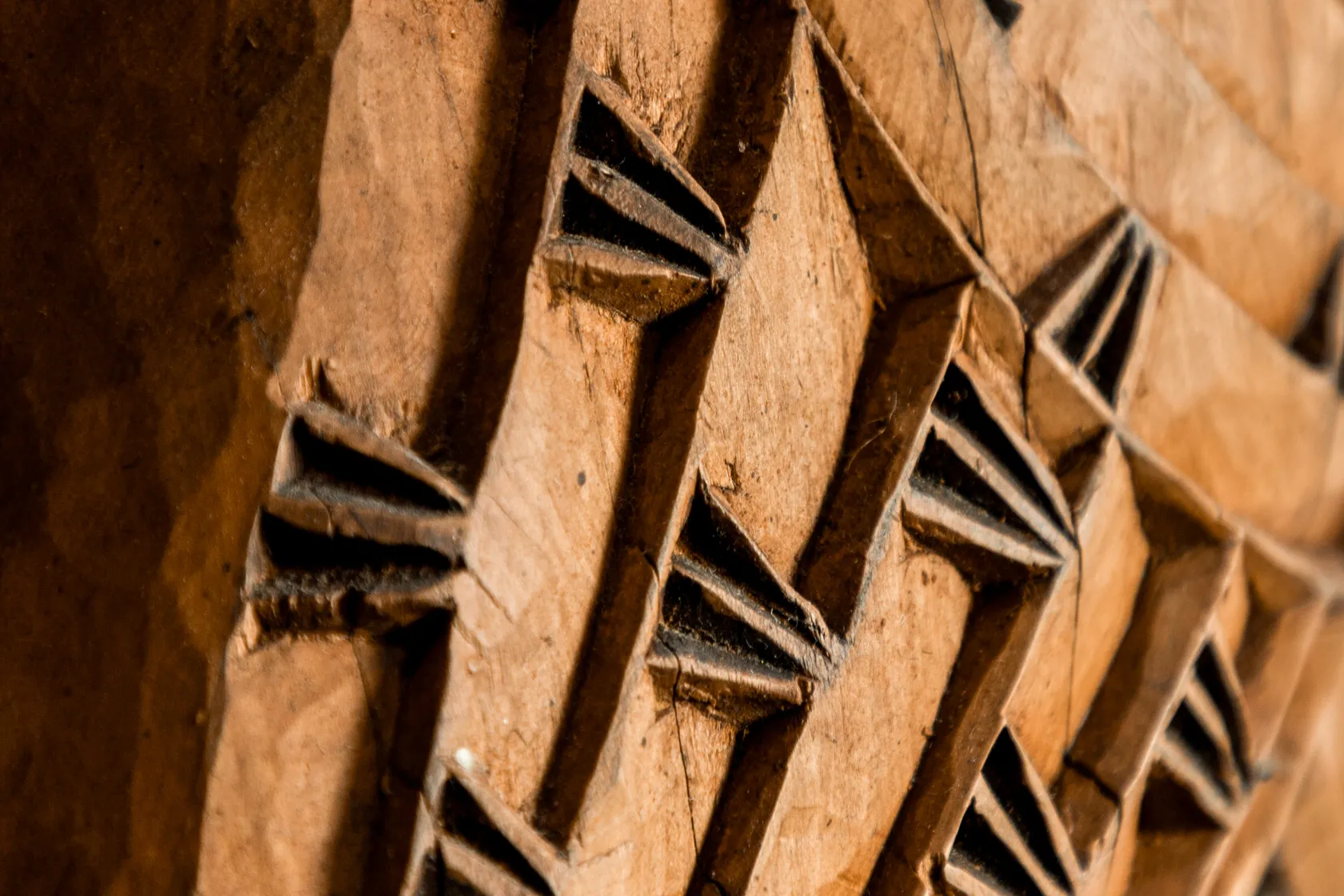
This wāhanga is defined by highly legible expressions of Māori identity. It draws on recognisable forms and practices from ngā toi Māori to assert whakapapa, communicate narrative, and to declare identity. These expressions are not decorative but purposeful interventions – material statements that carry the weight of history and mana tuku iho.
Ka Ata reflects the active continuum of Māori design. Its forms are not only aesthetic but genealogical, tracing back to the taiao as design logic. While Ka Ata is the most explicit of the three wāhanga, its meaning relies on the integrity of form and placement. Expression is authored with care, ensuring it speaks clearly within context and remains accountable to kaupapa.